Understanding the Legal Implications of Unauthorized Cable Installation
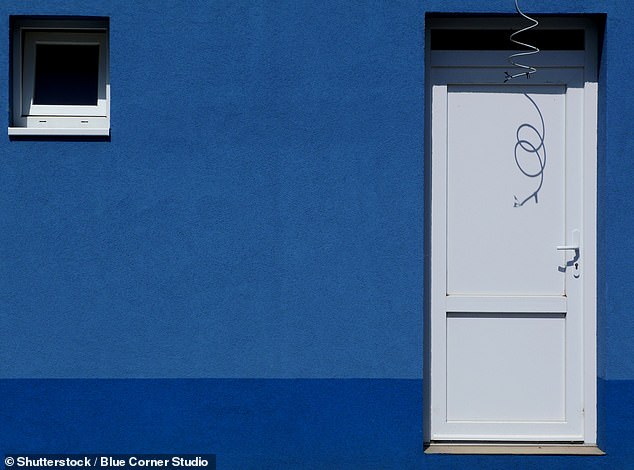
A recent incident involving a wire falling near a front door has raised concerns about unauthorized use of property. The wire was discovered to be connected to a neighbor’s house, providing them with fibre broadband. Both households use the same internet provider, and it appears that the provider used an existing junction box on the user’s property to connect the neighbor’s home, rather than installing a new one at the neighbor’s location.
This situation raises important questions about legality and property rights. While the user does not incur any direct cost, they feel that their property is being used without consent. This type of unauthorized installation could potentially be considered trespassing, especially if no formal agreement was made with the landowner.
Legal Framework Governing Telecommunications Infrastructure
The rules governing such situations are outlined in the Electronic Communications Code, which is part of the Communications Act 2003 and amended by the Digital Economy Act 2017. According to these regulations, telecoms operators have the right to install and maintain equipment, but this must either be agreed upon with the landowner or imposed by a tribunal. They do not have the right to use private property without permission.
If the user has never signed a wayleave agreement granting the provider access to their property, then the provider may have trespassed. Additionally, the fact that the wire has fallen adds another layer of concern, as it now poses a safety risk.
Steps to Address the Issue
To address this matter, the user should take the following steps:
- Write to the broadband provider: Clearly state that the provider installed apparatus serving the neighbor’s property without consent. Request the legal basis for this action.
- Request removal or compensation: Ask the provider to either remove the cable and junction box or offer a formal wayleave agreement, which could include an annual payment.
- Seek compensation for damage: Request that the provider makes good any damage caused when the wire fell.
If the provider refuses to comply, the user can escalate the issue to the Communications & Internet Services Adjudication Scheme (Cisas) or the Communications Ombudsman. Ultimately, the matter can be raised with Ofcom.
It is crucial for the user not to be fobbed off. As the landowner, they have strong legal rights in this situation.
Refund Claims for Misrepresented Accommodation
Another issue involves a traveler who booked a room with a double bed but received a single bed instead. The tour company charged a £45 ‘single supplement’ for this arrangement. However, the traveler believes they are entitled to a refund.
The short answer is yes, the traveler is entitled to get the £45 back. The ‘single supplement’ is a fee charged when a single person occupies a room designed for two. If the room never had a double bed, the service promised in the contract was not fulfilled.
Under the Package Travel and Linked Travel Arrangements Regulations 2018, travel companies are legally obliged to provide the services described in the contract. The Consumer Rights Act 2015 also requires that services match the description given during booking.
Taking Action for a Refund
To pursue a refund, the traveler should:
- Write to the tour operator: Clearly outline what was booked and what was received, attaching the booking confirmation.
- Request a full refund: Ask for the £45 to be returned in full.
- Consider additional compensation: Argue for a modest additional sum to reflect the loss of amenity, as a single bed is less comfortable and takes up less space than the room paid for.
If the company refuses, the traveler can escalate the issue to ABTA (if the company is a member) or raise a Section 75 claim with their credit card provider.
Seeking Legal Advice
For those with legal questions, Dean Dunham offers expert advice. Readers can email [email protected] with brief details of their question or problem. It is important to note that the Daily Mail and This is Money cannot accept legal responsibility for the answers provided.