New Blood Donation Rules for Gay, Bisexual, and Transgender Individuals
Starting from Monday, April 20, a significant change in blood donation policies has been implemented in Australia. This change allows more gay and bisexual men as well as transgender individuals in monogamous relationships to donate blood and platelets for the first time. The new policy applies to all donors, regardless of gender or sexual orientation, who will now be asked the same questions about their recent sexual activity before donating at Australian Red Cross Lifeblood centres.
Cath Stone, the executive director of Lifeblood, highlighted that the eligibility criteria for blood donation have been expanded following the approval by the Therapeutic Goods Administration (TGA) to remove gender-based sexual activity rules last year. Since then, Lifeblood has collaborated with state and territory governments to update the pre-donation questionnaires.
“We’re now able to safely make changes that will enable gay and bisexual men and transgender people to donate blood and platelets,” Ms. Stone said. “We’re implementing today what we call a gender-neutral assessment… everyone will be asked the same questions related to their eligibility to donate blood.”
Historical Context and Long-Awaited Change
The previous restrictions, introduced during the HIV pandemic in the 1980s, had prevented certain groups from donating blood products in Australia. Ms. Stone emphasized that this change has been a long time coming.
“We’re implementing today what we call a gender-neutral assessment… everyone will be asked the same questions related to their eligibility to donate blood.”
Lifeblood anticipates that this update will result in up to 20,000 additional donations each year. This development follows the removal of most wait times for plasma donations in July, which allowed 3,000 new donors to contribute almost 10,000 plasma donations.
Personal Experience and Impact
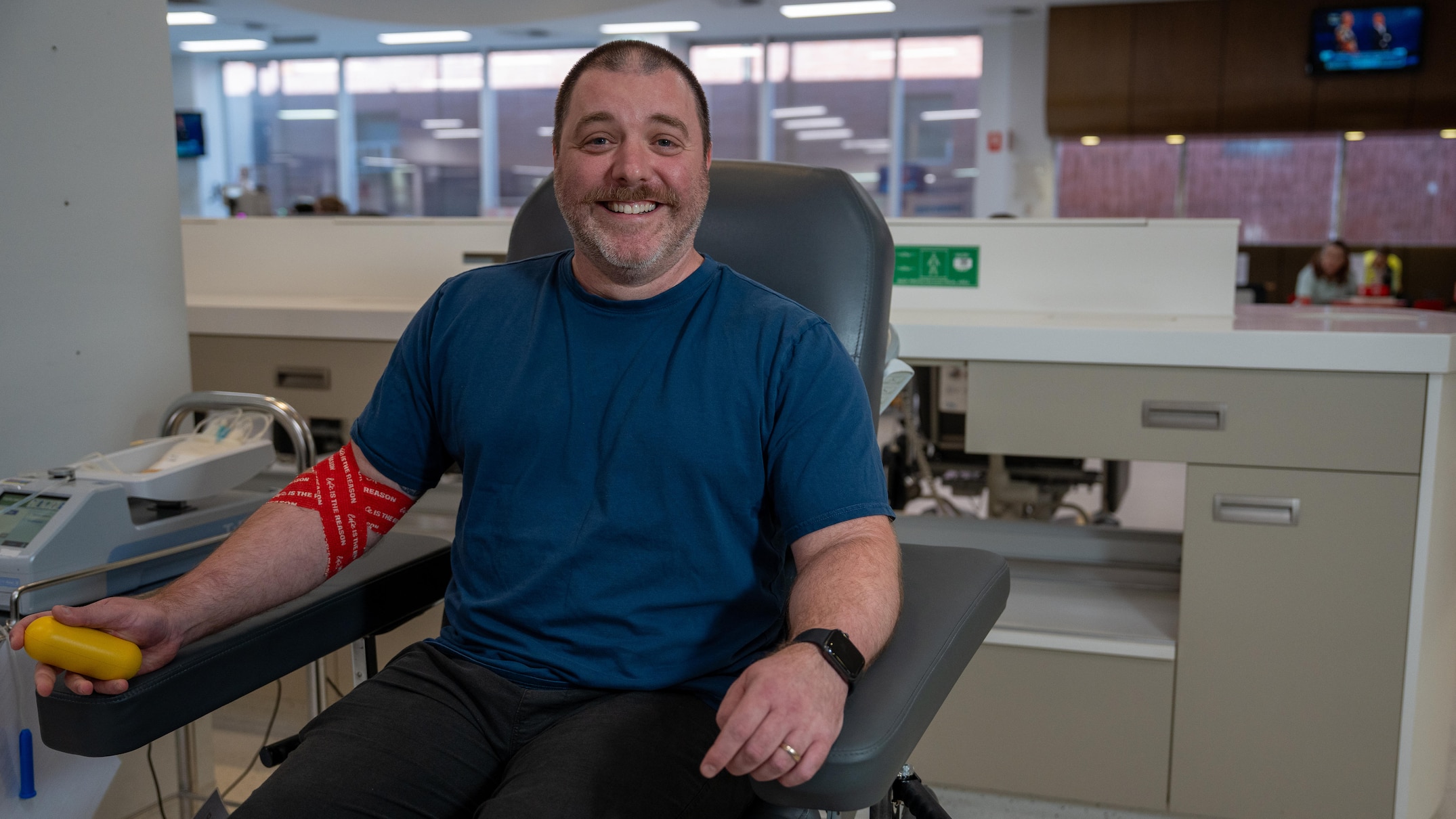
Adelaide registered nurse Luke Moorcraft welcomed the easing of restrictions and expressed his excitement about being able to donate blood for the first time. He shared his motivation:
“I have family members that have suffered with cancer. I’ve worked frontline emergency department for 10 years and I’ve seen the need for it. So I feel like I’m doing my part and paying forward. I’d like to think that a lot of other people would go out there and donate as well if they have the opportunity.”
Mr. Moorcraft and his husband have donated plasma 20 times since the rule change last year. He praised the expansion of eligibility, noting that it reflects new research and helps keep people safe while increasing the donor pool.
“It’s keeping people safe, but it’s also increasing the donor pool and being much more inclusive,” he said. “If you don’t have blood or plasma or blood products available when you need it, then the patient essentially needs to go without, which is not good in trauma situations or people with chronic diseases or cancer treatment.”
Ongoing Review and Research
Ms. Stone mentioned that Lifeblood regularly reviews its eligibility rules and considers the latest scientific research. The organization has conducted extensive research to determine the best way to ask questions that ensure the safety of the blood supply.
“We’ve done a broad range of research to understand what is the best, least confusing way to ask the questions that are important safeguards around the safety of our blood supply,” she said.