A New Approach to Nutrition: Classroom to Table
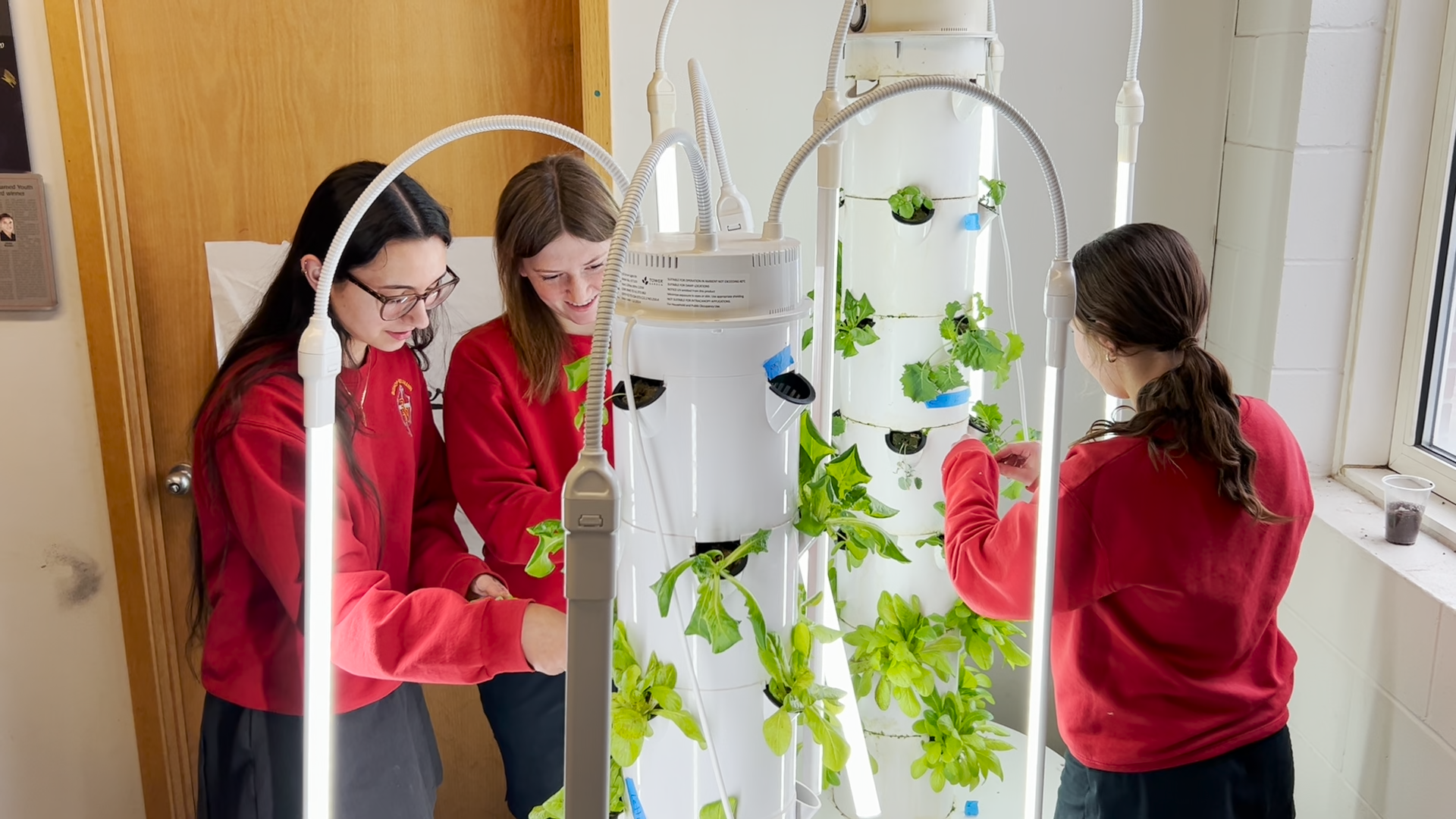
At Bishop Neumann High School in Wahoo, a unique initiative is taking root—literally. The concept of “classroom to table” is gaining traction as students are not only learning about agriculture and nutrition but also actively participating in growing their own food. This innovative approach is making a significant impact on both education and the school’s cafeteria program.
The school recently received a $2,500 grant from the Cash in for Schools program, supported by Thrasher Foundation Repair. This funding is being used to enhance the school’s cafeteria and nutrition program, with plans to add another grow tower and tabletop growing systems for use at grade schools. These systems will allow students to cultivate fresh produce right in their classrooms, bridging the gap between education and real-world application.
Growing Knowledge and Food
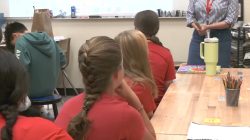
Carolyn Haverman, the Saunders Catholic Schools cafeteria director, emphasizes the importance of this hands-on learning experience. “I would encourage other schools to do it, because when they grow it, and they see it, they’re more likely to eat it,” she said. This philosophy is evident in the school’s agriculture classroom, which serves as a hub for teaching students about farming and the origins of their food.
Kendol Benes, a senior at Bishop Neumann, shared how the program has influenced his life outside of school. “It helps me at home with my parents and with helping family members around the county,” he said. The skills learned in the classroom are translating into practical knowledge that benefits students and their families.
Expanding the Vision
Looking ahead, the school is planning to add a greenhouse on campus. This expansion will further support the goal of providing more locally grown food for students. “We can provide more food for kids, using our own resources,” said Kendol. The greenhouse will serve as an extension of the classroom, offering a space for students to experiment with different crops and learn about sustainable practices.
In addition to the agricultural components, students are also learning about the nutritional benefits of the foods they grow. Through family and consumer science classes, they gain insight into how to prepare meals using fresh, locally sourced ingredients. Dan Benes, another student at Bishop Neumann, shared his enthusiasm for the program. “I love it because the taste of homegrown food is exponentially better because it’s locally sourced and you can see how it grows,” he said.
Continuing the Initiative
Thrasher Foundation Repair and KETV are committed to supporting this initiative, with plans to return in the fall for another round of the Cash in for Schools program. Applications for the 2026-27 school year are already being accepted, and the process is straightforward for interested schools.
This program not only fosters a deeper understanding of food and agriculture but also encourages students to take an active role in their health and well-being. By integrating classroom learning with real-world experiences, Bishop Neumann High School is setting a powerful example for other educational institutions to follow.
Future Plans and Community Impact
As the school continues to expand its programs, the focus remains on sustainability, education, and community engagement. The integration of growing systems and a planned greenhouse will ensure that students have ongoing opportunities to learn about and participate in food production.
This initiative highlights the potential for schools to become centers of innovation and environmental stewardship. By empowering students with knowledge and skills, Bishop Neumann High School is not only improving its cafeteria program but also cultivating a generation of informed and responsible citizens.
Through partnerships with local organizations like Thrasher Foundation Repair and KETV, the school is demonstrating the power of collaboration in creating meaningful change. As more schools adopt similar programs, the impact on students and communities could be profound, paving the way for a healthier, more sustainable future.