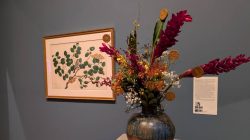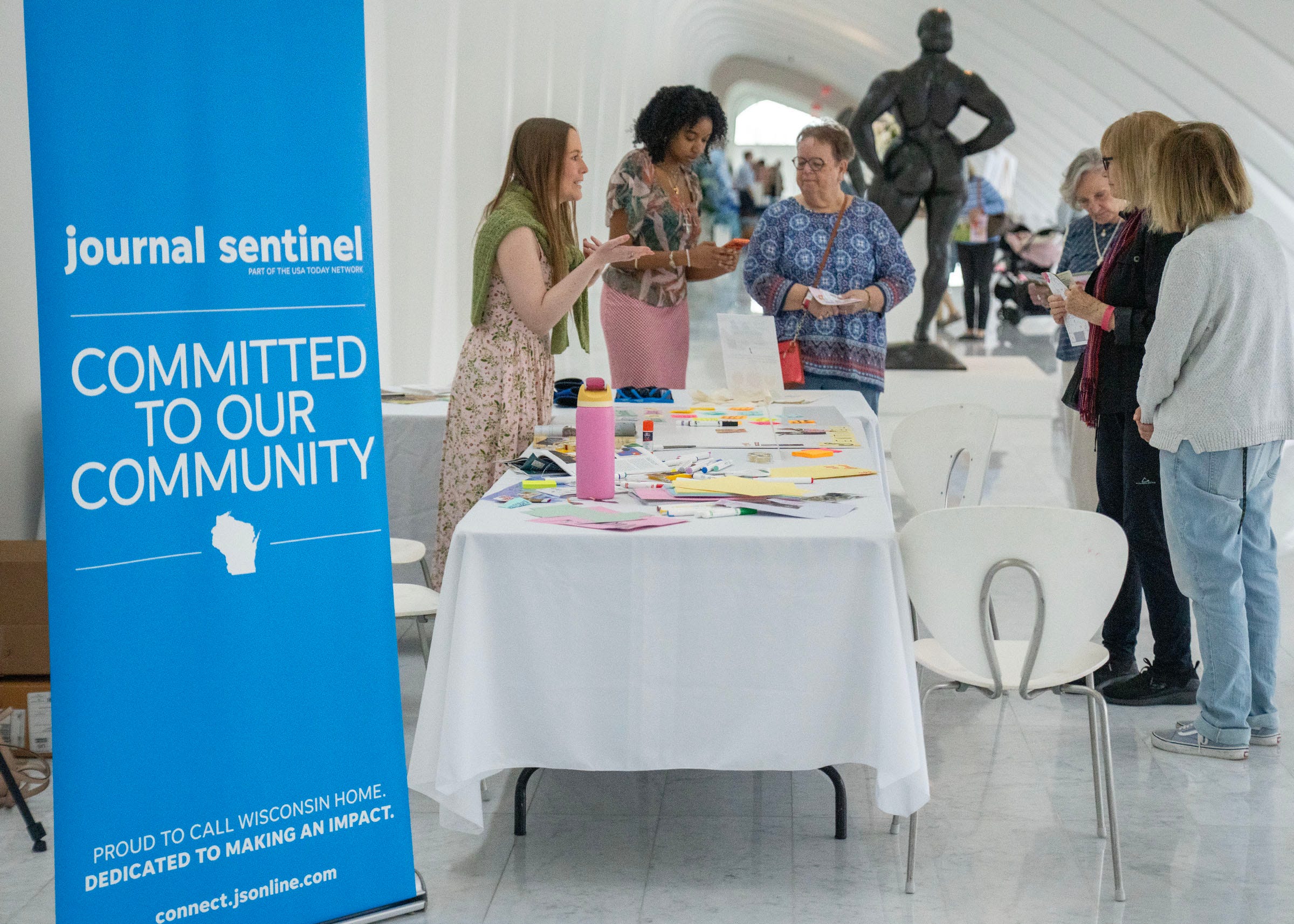
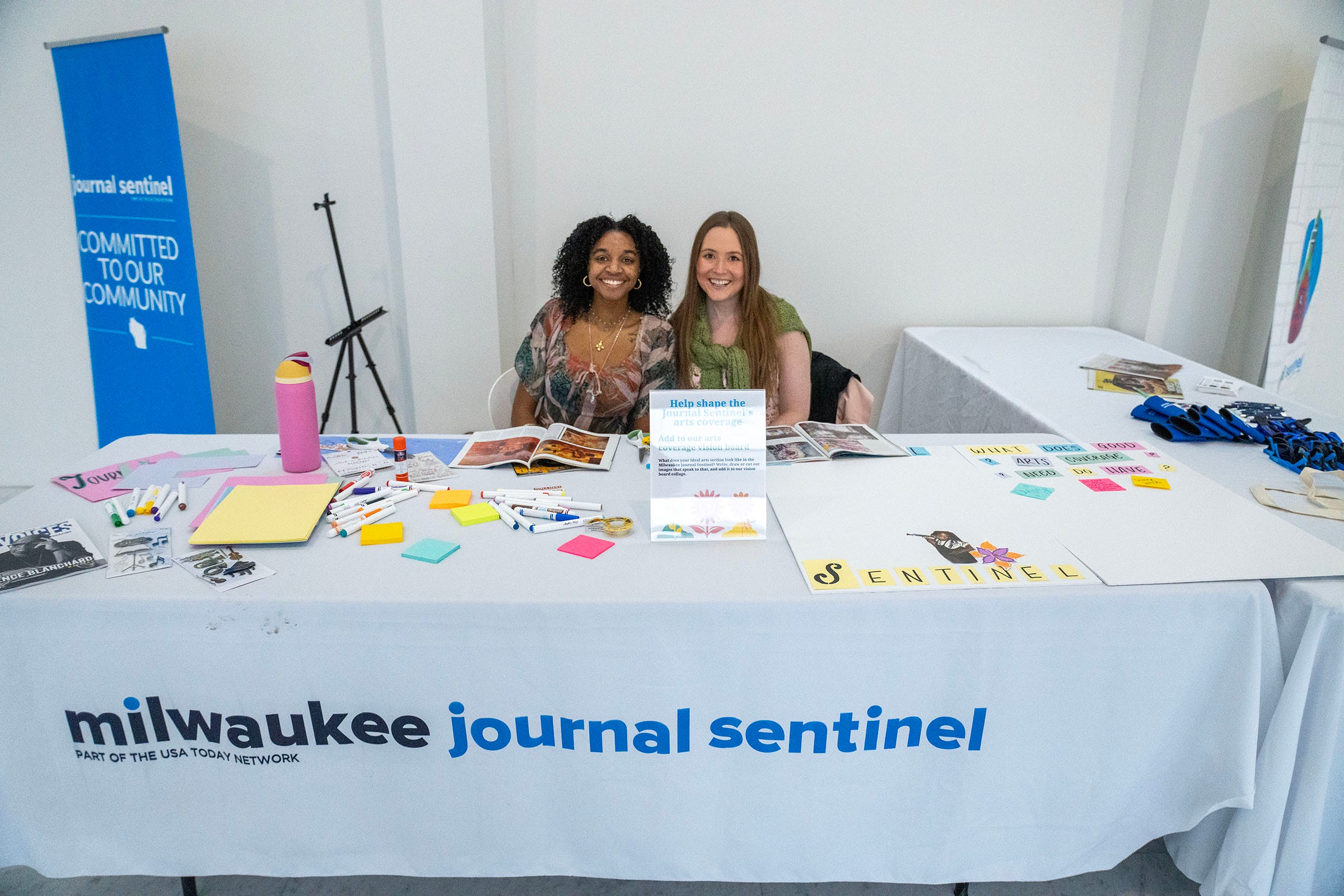
During the Milwaukee Art Museum’s annual Art in Bloom event, visitors stopped by the Journal Sentinel table and shared their thoughts on what makes good arts journalism. Their input was clear and impactful.
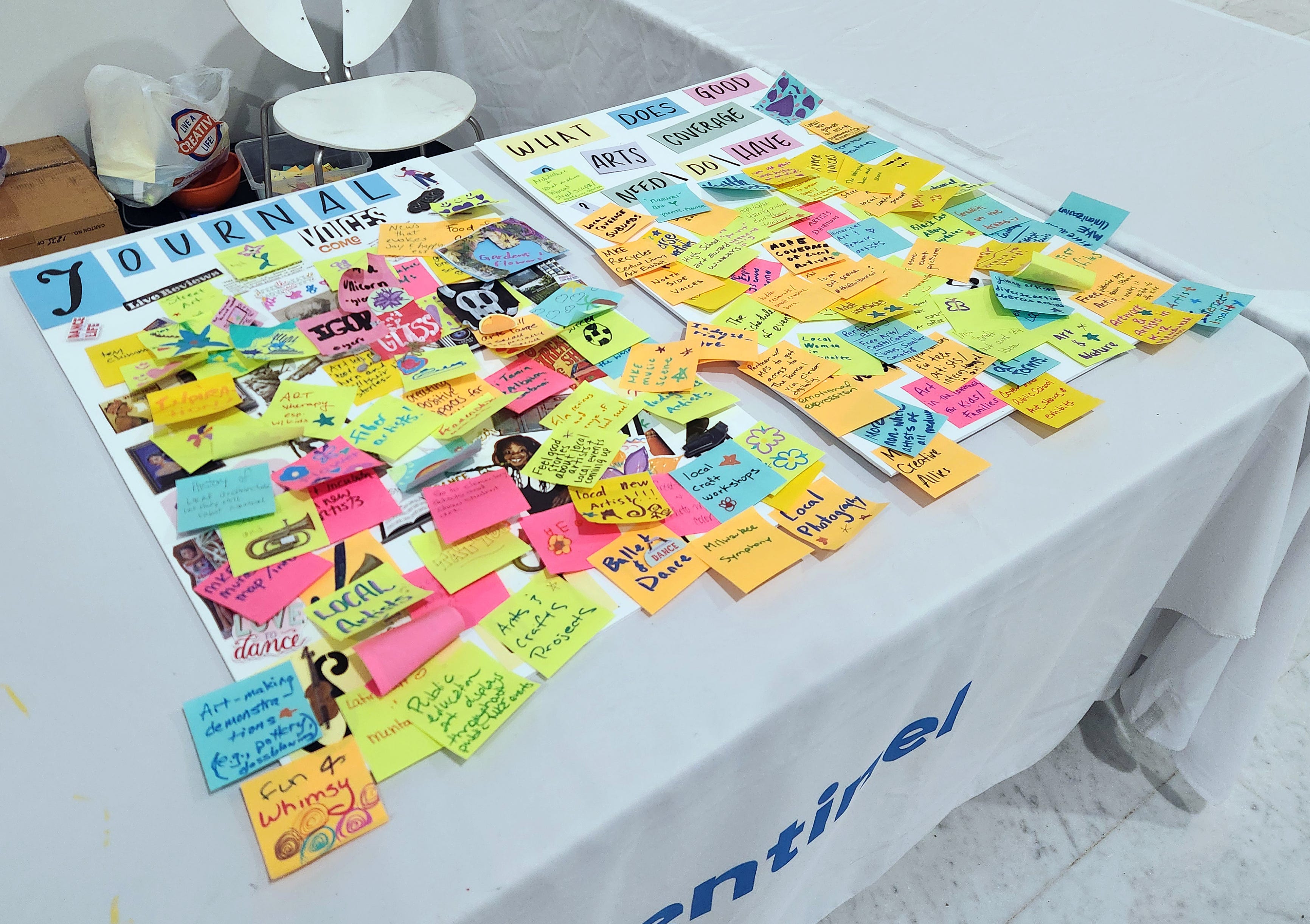
Hundreds of attendees contributed to the arts section’s vision board by writing sticky notes and drawing pictures. They expressed what they believe good arts coverage should include, what it currently has, and what it needs. Additionally, those who couldn’t attend the event responded to a digital survey, offering insights on how the arts coverage could be improved.
As the new arts and culture reporter for the Journal Sentinel, your feedback is guiding my work. The city’s art scene is rich and diverse, like a gold mine, and my role is to uncover where the most valuable treasures lie.
One of the top requests from readers was better event coverage. Many wanted to know about upcoming art events in the city. While some asked for more photography and post-event reviews, the majority emphasized the need for advance coverage that allows people enough time to attend. Specifically, they wanted information about free creative events, family-friendly programs—including ones for teenagers—and hands-on activities. Several also requested details about classes and workshops where they could learn new art forms.
As a newsroom, we are discussing the best ways to meet this demand. We are considering options such as an arts newsletter, a weekly roundup, social media engagement, or other formats. Our goal is to become a one-stop-shop for art events happening in the city, with a special focus on free events, performances, and opportunities to create art. If you have suggestions on how you’d prefer to stay informed about Milwaukee art events, please let us know.
Readers also showed strong support for coverage of smaller institutions, in addition to major ones. Some directly asked for stories on underground and emerging scenes, such as smaller galleries, up-and-coming musicians, and dancers. This has been a focus of my coverage so far. I recently wrote about the Catacombs of Neto Art Museum, located in the basement of the Marshall Building in Milwaukee’s Third Ward. In March, I covered an intimate pop-up exhibit in Cudahy. More stories like these are coming soon.
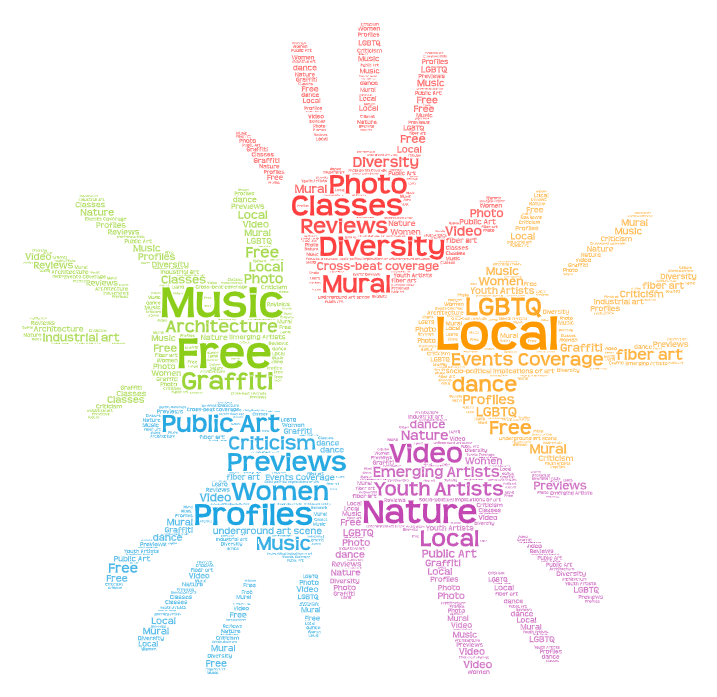
Another key request was for more profiles of local artists that explore their creative process, inspirations, and personal stories. I plan to address this by regularly featuring Milwaukee artists and arts organizations, from community leaders to emerging talents.
You also encouraged me to take youth artists more seriously—by featuring their work, covering their stories, and reporting on events that help them grow creatively. Beyond the impressive work of students at MIAD, there was a desire to see more work by high school students and opportunities for younger children to engage with art.
I have already started working on this and have plans for more. If you haven’t read it yet, check out my story on Malik Johnson, the first artist-in-residence at Betty Brinn Children’s Museum, where your kids can now enjoy live music. Keep an eye out for this month’s gallery roundup, which will feature multimedia shows by and for youth artists.
You also asked for coverage of art forms that have been overlooked in recent years, including architecture, fabric arts, and industrial arts. There was also a desire for more stories about murals and public art, and pieces that present graffiti in a positive light. As a newcomer to the city, I’ll need your help finding great graffiti works, so please send me tips.
Your call for diverse coverage was very clear. You asked for stories highlighting specific populations, such as Latino artists, women artists, artists living on Milwaukee’s north side, LGBTQ+ artists, and artists born outside the U.S.
Some readers suggested stories where art intersects with other topics. Recently, I partnered with health reporter Madeline Heim to cover a traveling art exhibit featuring Milwaukee artists. The show, now on view in Froedtert Hospital’s Center for Advanced Care, was curated to inspire more African Americans to register as organ donors. Based on your feedback, I will be writing many more stories like this, exploring intersections between art and nature, food, and even sports.
Perched on my desk are the hundreds of sticky notes you wrote. Every time I look up from my laptop, your suggestions and hopes for this section are the first thing I see.
Though I’ve only been in this role for four months, I know one thing for certain: my job description is in your hands. Tell me what you want me to write about, whether I’m asking for it or not. My inbox is always open, so don’t hesitate to reach out with tips, story ideas, feedback, or questions.
As the months go on, I will continue to ask myself and you all the same questions I did during Art in Bloom: What makes good arts coverage? What does it need, do, and have?
Anya Sesay covers arts and culture for the Milwaukee Journal Sentinel. Send her story ideas, things to see, and people to meet at [email protected]. Follow her on Instagram @anyanic0lette.
Anya’s reporting is supported by the Richard and Ethel Herzfeld Foundation, the Maine-based Rabkin Foundation, and reader contributions to the Journal Sentinel Community-Funded Journalism Project. Journal Sentinel editors maintain full editorial control over all content. To support this work, visit jsonline.com/support. Checks can be addressed to Local Media Foundation (memo: “JS Community Journalism”) and mailed to P.O. Box 85015, Chicago, IL 60689.
The JS Community-Funded Journalism Project is administered by Local Media Foundation, tax ID #36-4427750, a Section 501(c)(3) charitable trust affiliated with Local Media Association.