The Growing Crisis of Multidimensional Poverty in Nigeria
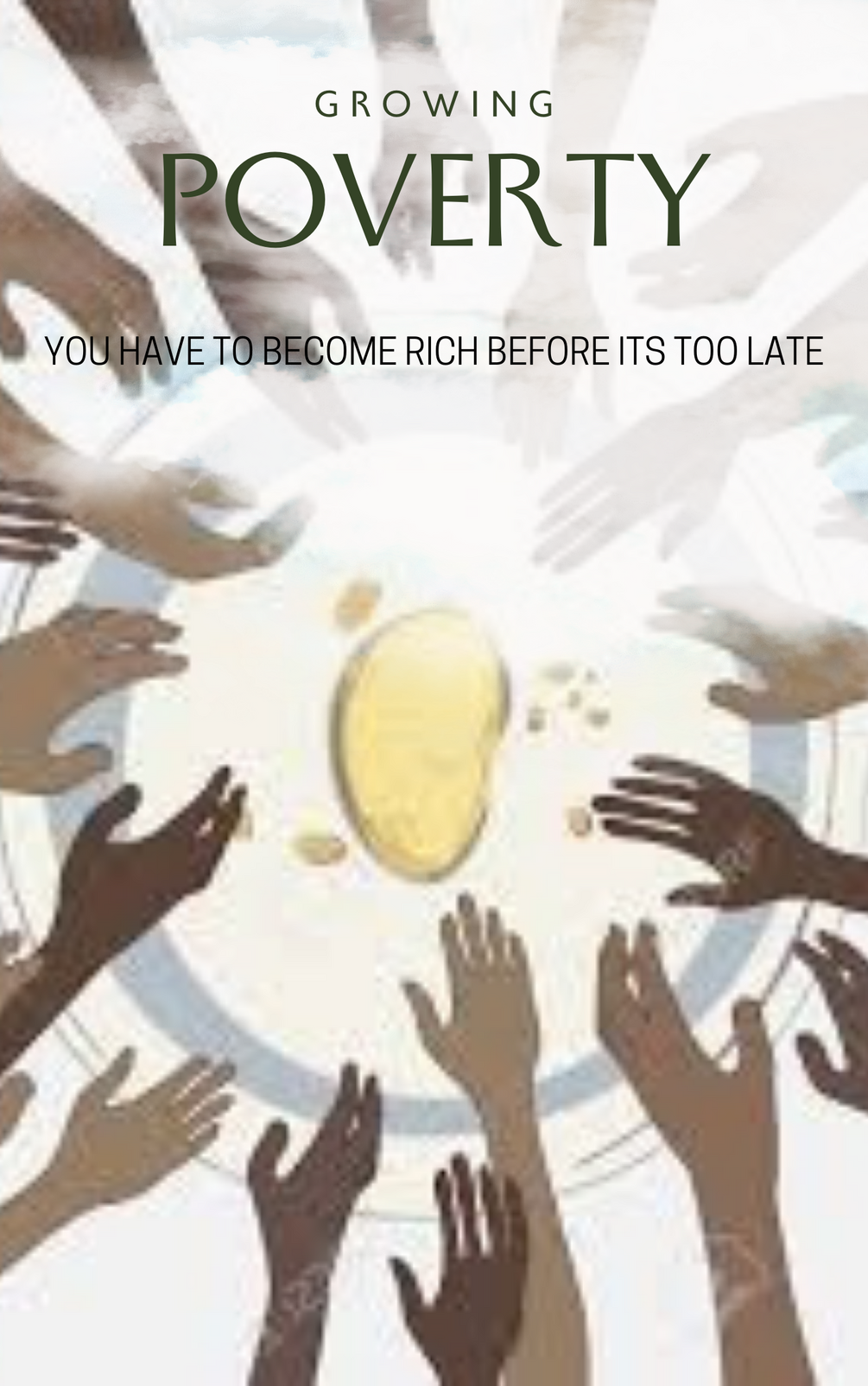
The National Bureau of Statistics (NBS) reported in 2022 that 62.9 per cent of Nigerians are multidimensionally poor, with approximately 132.93 million citizens facing deprivation in health, education, living standards, work, and nutrition. By 2025, the World Bank confirmed that poverty had risen to 63 per cent, trapping around 140 million people in hardship. These figures are not just numbers; they represent the lived reality of millions of Nigerians who struggle daily to meet basic needs.
The government has seen a surge in revenue, with the Nigeria Revenue Service (NRS) reporting that monthly revenue generation increased from N711 billion in May 2023 to over N3.635 trillion by September 2025—a 411 per cent growth. However, this fiscal improvement has not translated into tangible benefits for ordinary citizens. Inflation, while moderated from 34.80 per cent in December 2024 to 15.15 per cent in December 2025, continues to erode purchasing power. The World Bank notes that household incomes have not kept pace with inflation, and poverty remains entrenched.
One of the most visible indicators of this disconnect is the cost of shelter. Many Nigerians live in homes made of natural or rudimentary materials, and even in Lagos State, which has the second-lowest Multidimensional Poverty Index at 29.4 per cent, decent accommodation is unaffordable for many. The International Monetary Fund (IMF) warns that rising food and transportation costs could worsen economic conditions in the near future, further squeezing household incomes.
A Jobless Boom and Structural Challenges
Despite an expected 4.1 per cent economic growth in 2026, unemployment is projected to remain near 22.6 per cent, reflecting a “jobless boom.” High interest rates, with commercial bank lending rates hovering close to 38 per cent, have led businesses to favor automation over labor. For those reliant on daily wages and informal sector income, the official economy seems distant and inaccessible.
At the same time, the government continues to borrow heavily. Nigeria’s total public debt reached N159.28 trillion by December 31, 2025, driven largely by domestic borrowing. The IMF projects a debt-to-GDP ratio of 32.3 per cent in 2026 and warns that fiscal adjustment risks could lead to cuts in essential services such as health, education, and social protection. This raises serious questions about the sustainability of current economic policies.
Regional Disparities and Deepening Inequality
Poverty in Nigeria is not just income-based; it is multidimensional, affecting access to healthcare, education, food security, and employment. In the North East, the Multidimensional Poverty Index (MPI) stands at 76.5 per cent, while in the North West, it is 75.8 per cent. In Sokoto State, an alarming 90.5 per cent of the population is multi-dimensionally poor. These figures highlight a population stripped of opportunities, dignity, and hope.
This crisis is the result of decades of political greed, structural neglect, and a governance culture that prioritizes access to state resources over the delivery of public goods. The consequences are dire: a growing number of Nigerians face food insecurity, lack access to basic services, and live in conditions that threaten their well-being.
A Threat to Democracy and Stability
The danger of this trajectory cannot be overstated. With 140 million people struggling, Nigeria faces a growing risk of instability. Desperation fuels unrest, and when young people are jobless and families cannot afford basic necessities, the social contract begins to break down. The IMF has warned that more than 20 million people across sub-Saharan Africa could face moderate or severe food insecurity, and Nigeria is already witnessing this in many communities.
The current economic reform agenda has delivered higher revenues and lower headline inflation, but these gains have not translated into improved welfare for ordinary citizens. The wealthy few continue to benefit, while the majority suffer. This is not sustainable economics—it is a cycle of borrowed prosperity that enriches a small elite while leaving the masses to bear the cost.
A Call for Pro-Poor Reform
Unless economic priorities shift toward inclusive growth, job creation, and social protection, the poverty crisis will escalate into a health catastrophe, a security nightmare, and a threat to democracy itself. The numbers are clear, and the question is whether leaders will finally choose to act. The time for reform that is genuinely pro-poor and accountable to the people is now. Without this change, Nigeria risks losing not only its economic potential but also its democratic foundations.