Legal Proceedings Against Sudanese Lawyer
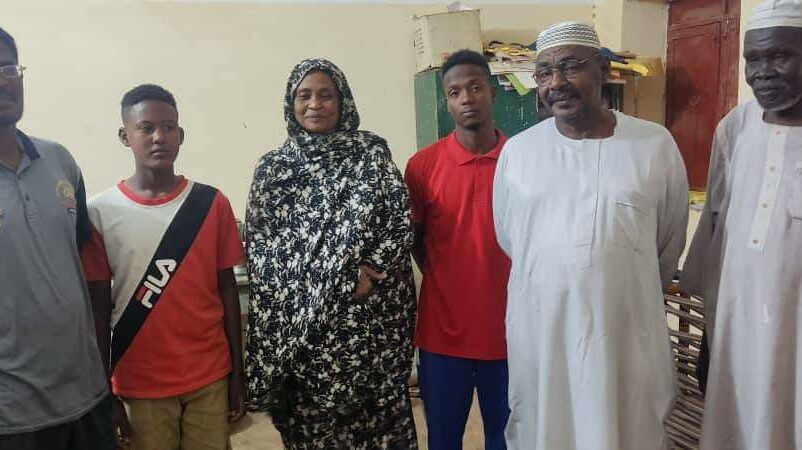
On Friday, April 17, 2026, Sudanese judicial authorities initiated legal proceedings against Rehab Mubarak, a member of the Emergency Lawyers executive office. She is accused of spreading “misleading” information that threatens national security.
The authorities allege that Mubarak disseminated false reports intended to tarnish the military’s reputation and diminish its role. An arrest warrant issued by judicial bodies stated that the move aims to counter “false reports” circulated recently. Criminal charges have been filed regarding the spread of rumors and news deemed harmful to state interests.
Legal sources reported that Mubarak has been dismissed from the Sudanese Bar Association for allegedly violating professional codes of ethics. The association claimed she used her legal status to advance agendas aimed at inciting public opinion through falsified facts.
Mubarak told Sudan Tribune that the warrant was issued because of her work monitoring and documenting human rights violations during the war. She said certain parties are intent on suppressing the disclosure of these facts.
She questioned which entity should be responsible for monitoring national security violations, suggesting the current actions reflect the characteristics of a “police state.” The lawyer emphasized that such threats are not new and are frequently directed at those documenting human rights abuses.
Ongoing Challenges for Human Rights Activists
Mubarak noted that activists in this field have faced targeting for nearly three years, coinciding with the outbreak of war and the start of documentation efforts involving both the army and the Rapid Support Forces. The Emergency Lawyers group has been active throughout the conflict, documenting violations committed by both warring parties in Sudan.
The group has played a crucial role in highlighting human rights abuses, often under dangerous conditions. Their work has provided critical evidence of atrocities committed by various factions involved in the conflict. Despite the risks, they continue their mission, aiming to ensure accountability and justice for victims.
Impact on Civil Society
The legal actions against Mubarak have raised concerns within the civil society community. Many fear that such measures could deter others from speaking out or documenting human rights violations. The situation reflects a broader trend of increasing pressure on independent voices in Sudan.
Human rights organizations have expressed solidarity with Mubarak and other activists facing similar challenges. They urge the Sudanese government to respect the right to freedom of expression and to protect those who seek to hold power accountable.
The case also highlights the complex dynamics of the ongoing conflict in Sudan. With multiple armed groups vying for control, the situation remains volatile, and the risk of further human rights abuses persists.
International Response
International observers have called for transparency and impartiality in the legal proceedings against Mubarak. They emphasize the importance of upholding the rule of law and protecting the rights of individuals who report on human rights issues.
Some countries have voiced concern over the potential implications of these legal actions on Sudan’s democratic processes. They stress the need for a fair and independent judiciary that can address allegations without infringing on fundamental freedoms.
As the situation unfolds, the international community remains closely watching developments in Sudan. The outcome of Mubarak’s case could set a precedent for how human rights defenders are treated in the country.
Conclusion
The legal proceedings against Rehab Mubarak underscore the challenges faced by human rights activists in Sudan. Her case is emblematic of a broader pattern of targeting those who seek to document and expose abuses. As the conflict continues, the role of independent voices becomes even more critical in ensuring accountability and promoting justice.