Key Developments in the Ninth Round of Peace Talks
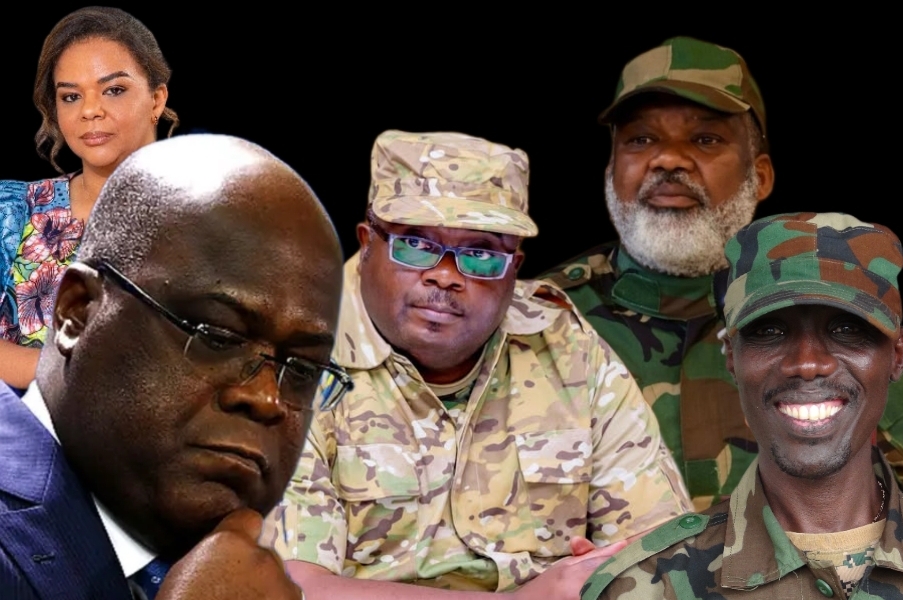
The ninth round of peace talks between the Allied Forces for Congo (AFC/M23) and the Democratic Republic of the Congo (DR Congo), facilitated by Qatar, concluded on April 17 in Switzerland. The discussions focused on several critical issues, including humanitarian access, ceasefire oversight, and the implementation of a long-delayed prisoner exchange. One of the most significant outcomes of the talks was an agreement to execute the prisoner exchange, which is one of eight key protocols underpinning a final peace deal.
The parties have agreed to release more than 300 AFC/M23 detainees and 166 government-held prisoners by April 26. This move revives commitments first formalized in September 2025. While AFC/M23 has previously released several batches of prisoners, including a recent batch of 5,000, this would be the first reciprocal release by Kinshasa since the talks began.
Disputed Figures and Challenges
According to the rebel movement, an initial list of more than 700 detainees was submitted to the International Committee of the Red Cross (ICRC). Oscar Balinda, a spokesperson for AFC/M23, stated that the ICRC confirmed the presence of 311 physically. He added that the Congolese government selected names from the list provided and labeled others as infiltrators. Balinda noted that those held by the government are largely fighters captured on the frontlines, but there are also civilians reportedly abducted since the conflict began in 2021.
“We also had some specific names we demanded, but they are nowhere to be found,” he said, adding that the ICRC will continue verifying their whereabouts. Balinda further indicated that the total number of AFC/M23-affiliated detainees in Kinshasa remains unclear, as families continue to report new arrests.
Humanitarian Conditions and Legal Commitments
Despite delays, Balinda described the prisoner exchange as significant for detainees held far from home under difficult conditions. “Some have been in detention more than 2,000 kilometers away from their homes. Some have health complications, and some have died in detention. It has taken too long,” he said. However, the arrangement does not address individuals who have opted to remain in AFC/M23-controlled areas, including fighters integrated into its ranks.
The talks also advanced the implementation of the ceasefire protocol, another pillar of the peace process. Although a ceasefire monitoring agreement was signed in October 2025, hostilities have persisted. AFC/M23 accuses Congolese forces (FARDC) and allied groups, including Burundian troops, mercenaries, the Kinshasa-backed FDLR militia, Wazalendo, and other militias of continued attacks.
Ceasefire Monitoring Framework
A key development in Switzerland was the signing of a Memorandum of Understanding enabling the Expanded Joint Verification Mechanism (EJVM) to operate in the current context, which now includes the rebel movement. The EJVM, a regional security mechanism under the International Conference on the Great Lakes Region (ICGLR), will oversee ceasefire compliance, investigate violations, and produce weekly reports. It will include representatives from both parties, supported by the UN mission MONUSCO, African Union observers, and other mediators, with full access to the frontlines.
Humanitarian Access and Legal Commitments
Negotiations also addressed issues of humanitarian access and judicial protections, though no formal agreement was reached. Balinda mentioned disagreements over proposals such as reopening Goma International Airport, which the movement opposed over security concerns. Despite this, a joint statement reaffirmed both parties’ commitment to international humanitarian law, human rights law, and the refugee convention, as well as constitutional principles.
“The parties agreed to refrain from any attack, destruction or removal of objects indispensable to the survival of the civilian population,” read the joint statement released on Friday. It mentions protections for food supplies, water systems, health facilities, schools, and critical infrastructure. The parties further emphasized safeguarding humanitarian operations and ensuring assistance reaches civilians without interference.
Next Steps and Future Negotiations
With two protocols now moving toward implementation and groundwork laid for ceasefire monitoring, attention shifts to the next phase of negotiations. Balinda said the parties are awaiting a call from mediators to begin the 10th round of talks as the next step toward a comprehensive settlement to the conflict in eastern DR Congo.