Strong International Travel Despite Regional Conflicts
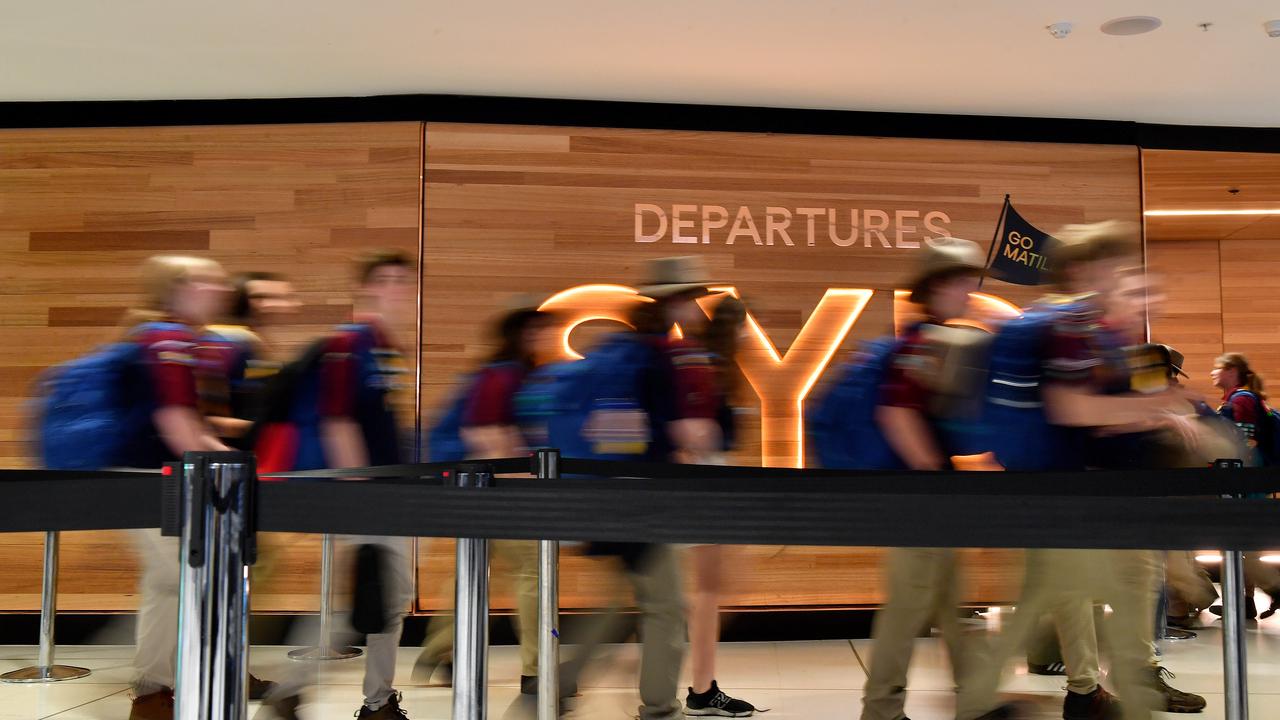
Despite the ongoing crisis in the Middle East, which has led to a reduction in flight numbers and an increase in airfares globally, Australians continue to travel overseas. This trend is particularly evident at Sydney Airport, which reported its strongest international travel quarter in history during March.
The airport processed 4.57 million passengers through its terminals in Mascot, marking a 5.8 per cent increase compared to the same period last year. This significant growth highlights the resilience of the aviation sector despite the challenges posed by the US-Israel conflict against Iran, which began on February 28.
New Zealand and China emerged as the largest international markets for Sydney Airport, with passenger volumes rising by 13.5 per cent and 14 per cent, respectively. Travel to and from Hong Kong also saw a notable increase, with a 21.4 per cent rise in traffic. Additionally, there was a surge in travel to Shanghai, Seoul, and Kuala Lumpur.
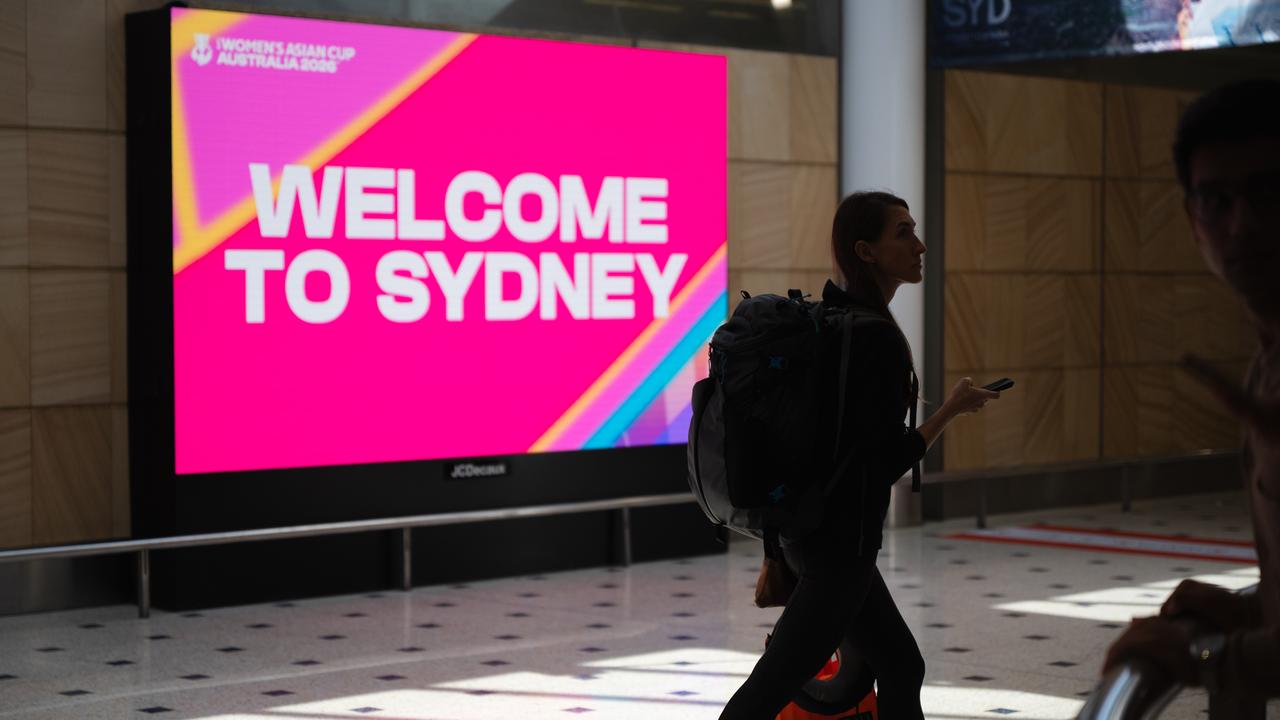
Airport chief Scott Charlton attributed this growth to the strong demand for travel to and from Sydney, despite the war in the Middle East, which has also caused jet fuel prices to soar. This has forced many airlines to adjust their operations.
“Growth across China and broader Asia is increasingly supporting travel into Europe, helping to offset softer conditions in parts of the Middle East,” Mr Charlton said on Tuesday. “This performance reflects resilient demand for travel to and from Sydney and reinforces Sydney Airport’s role as the nation’s primary international gateway.”
Looking ahead to the second quarter, Mr Charlton noted that airlines are likely to focus on adjusting their routes due to higher fuel prices and the potential for the conflict to continue beyond June.
“From a fuel perspective, the outlook remains stable and consistent with government guidance,” he added. “There are no current indications of fuel supply constraints impacting airline planning or near-term operations at Sydney Airport.”
Domestic Travel Also Shows Growth
On the domestic front, passenger growth was equally impressive, with a 2.1 per cent increase to 6.2 million in the quarter. Overall, Sydney Airport handled more than 10 million passengers through its domestic and international gates.
“Everything we have seen so far suggests the aviation market continues to demonstrate adaptability and Sydney Airport is well positioned to support growth as conditions evolve,” Mr Charlton said.
Airlines Adjusting to New Challenges
Since the crisis began, Qantas has reduced some domestic capacity and raised fares. However, the carrier, which does not operate flights to the Middle East, has observed increased demand for travel to Europe. As a result, Qantas has been redeploying capacity from the US and its domestic network to increase flights to Paris and Rome.
Other airlines, including Air New Zealand, Air India, Delta Air Lines, and Lufthansa, have also reduced capacity in recent weeks. These adjustments are primarily due to the rising costs of jet fuel, which has surged to around $US120 per barrel from $US20 before the war.

This shift in operations underscores the dynamic nature of the aviation industry, as airlines navigate the challenges posed by geopolitical conflicts and fluctuating fuel prices. Despite these hurdles, the continued growth in passenger numbers indicates a strong and adaptable market.