The Challenges of Playing Cricket in the Indian Summer
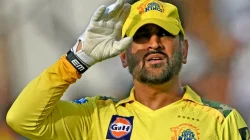
As the Indian summer reaches its peak, questions about the viability of playing sports during this time are becoming increasingly common. With India hosting several cities that rank among the hottest in the world, the extreme heat poses a significant challenge for athletes, especially cricketers. Despite these conditions, the Indian Premier League (IPL) continues to be a lucrative event, with schools closed and tourism booming. However, the physical toll on players is undeniable.
During a recent match at Delhi’s Arun Jaitley Stadium, the scorching heat was evident. Mist sprays were placed strategically around the stands to combat the intense sun. While the Punjab Kings managed to avoid injuries, KL Rahul from the Delhi Capitals faced difficulties. He batted for over 115 minutes, scoring more than 150 runs, but eventually had to walk out due to the harsh conditions. In a mid-innings interview, he admitted to “taking a beating” and expressed concerns about potential late-match cramps.
The captain of Punjab Kings, Shreyas Iyer, also acknowledged the impact of the 45.3°C heat on the players. This level of temperature not only affects performance but also poses serious health risks.
Notable Players Affected by the Heat
Several top players have been impacted by the extreme heat. Chennai Super Kings, already dealing with multiple injuries, lost Aysuh Mhatre during a match against Sunrisers Hyderabad. He suffered a cramp while attempting to steal a run, which led to a left hamstring tear. Khaleel Ahmed was ruled out due to a quadriceps injury.
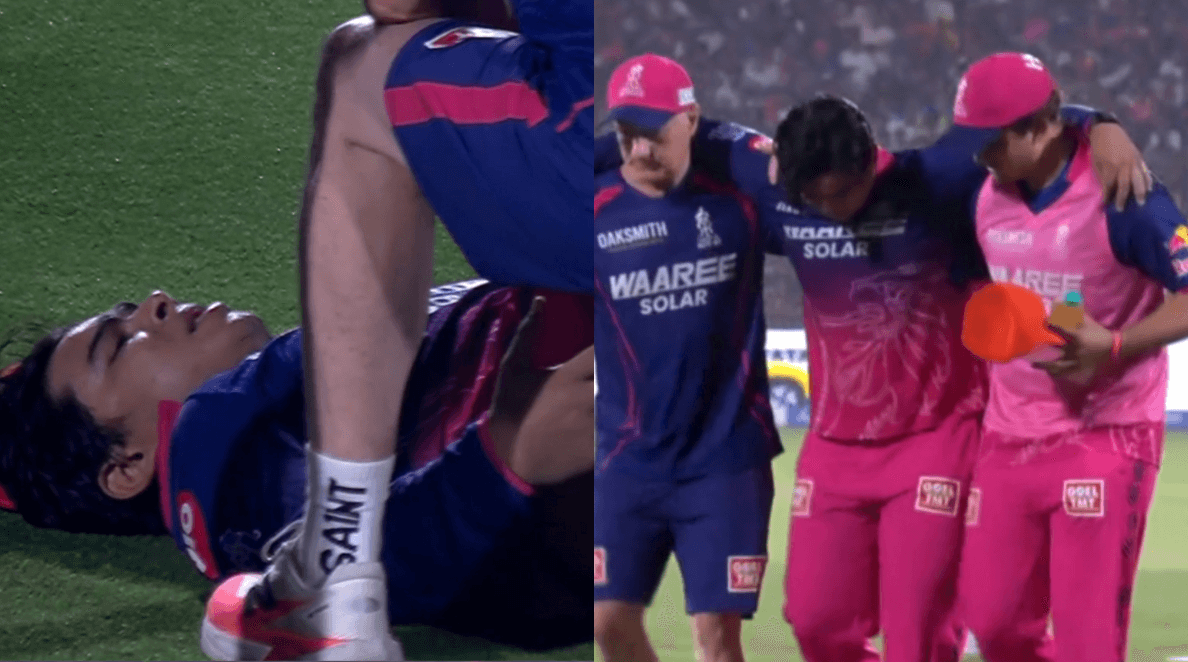
In another incident, RCB bowler Rasik Dar collapsed due to severe cramps during a match against Gujarat Titans. Krunal Pandya took over for the final over, managing to complete it despite similar issues. Earlier, Axar Patel had to retire hurt after experiencing multiple cramps, and Rohit Sharma was sidelined due to a hamstring pull. Vaibhav Sooryavanshi also walked out after a painful cramp against SRH.
The Impact of High Temperatures on Cricketers
High temperatures can have severe effects on the human body. When the core temperature exceeds 40°C, it can lead to confusion, seizures, organ damage, and even death if not treated promptly. For cricketers, the situation is even more challenging due to the heavy protective gear they wear. The core temperature rises by approximately 1°C every minute, creating a humid microclimate that hinders sweat evaporation—the body’s primary cooling mechanism.
Excessive sweating can lower sodium-potassium levels, resulting in muscle cramps and disrupted blood circulation. Fast bowlers, in particular, face greater challenges as their intense physical exertion leads to rapid metabolic heat buildup, increasing the risk of muscle tears. Additionally, poor air quality in India exacerbates these issues.
Measures to Combat the Heat
To mitigate the effects of the heat, several strategies can be implemented. One approach is to schedule matches predominantly at night, reducing exposure to the afternoon sun. While humidity remains an issue, night matches generally pose fewer risks.
Another option is flexible, phased scheduling. The BCCI could adjust fixtures based on weather conditions, shifting matches away from heatwave zones. This would allow players to recover adequately and reduce the likelihood of heat-related injuries.
Team Strategies to Manage the Heat
Teams often employ various methods to help players cope with the heat. These include:
- SIS Drinks: Specialized electrolyte drinks designed to maintain the balance of sodium and potassium in the body, unlike sugary sodas.
- Hydration Monitoring Kit: A device placed on the tip of the tongue to monitor real-time fluid levels in the body. Lucknow Super Giants have recently used this technology.
- Ice Treatments: Coaches and physios use ice bags or towels on the head or neck, and ice baths for bowlers to lower core body temperatures.
- Substitute Fielder: Teams often use substitute players to allow others to rest in the dugout, ensuring that no player is overexerted.
These measures help teams manage the challenges posed by the Indian summer, ensuring players remain as healthy and effective as possible.