Preparing for the FIFA World Cup 2026 in Mexico
As the FIFA World Cup 2026 draws closer, it promises to be a historic event, with matches set to take place across three North American countries. For U.S. citizens planning to attend games in Mexico, thorough preparation is essential. Cities such as Mexico City, Guadalajara, and Monterrey will host matches, and the Mexican government expects over 5.5 million visitors during the tournament. This influx of travelers highlights the importance of understanding travel requirements and safety advisories.
The U.S. Department of State has issued a travel advisory for Mexico, advising visitors to “exercise increased caution due to terrorism, crime, and kidnapping.” Some regions within the country have a more severe “Level 4: Do Not Travel” advisory. It is recommended that prospective travelers check the latest advisories and information on American Citizens Services for Mexico directly from the U.S. Department of State’s official website.
Ticket Acquisition and Entry Requirements
Securing tickets for the FIFA World Cup 2026 should only be done through official channels. Game tickets are available on the official FIFA website, which also offers an Exchange Marketplace for secondary market purchases in Mexico. It is important to note that reselling tickets in Mexico outside of this authorized platform is illegal. The U.S. Embassy and Consulates in Mexico do not sell FIFA World Cup 2026 tickets, a fact emphasized by the U.S. Mission to Mexico.
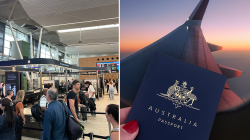
For all U.S. citizens traveling to and within Mexico, strict passport rules apply:
- A passport book is mandatory for all air travel into Mexico and for domestic flights, including for children and infants.
- Passports must remain valid for the entire duration of the visit.
- For land travel between the U.S. and Mexico, a passport book or passport card is required for all U.S. citizens, including children.
- If a child is traveling without both parents, the absent parent(s) must provide a notarized authorization letter.
Customs regulations also require attention. Cash exceeding 10,000 USD must be declared upon entry to Mexico, as must items worth over $300 for land entry or $500 for air entry.
Safety and Prohibited Items
Travelers must be acutely aware of Mexico’s strict laws regarding certain items. The U.S. Mission to Mexico strongly advises against bringing any weapons or ammunition into the country, stating, “It is a serious crime and you could face severe penalties.” Permits for gun ownership in the United States are not recognized in Mexico.
Furthermore, several common items in the U.S. are illegal in Mexico, such as drug possession or importation of drugs, including medical marijuana as well as E-cigarettes and vaping liquids. Regarding health, most standard U.S. health insurance plans, including Medicare and Medicaid, do not cover services outside the United States. Medical care costs in Mexico can be unexpectedly high, and many hospitals require full payment before releasing patients. In case of emergencies, police or ambulance services can be reached by dialing 911.