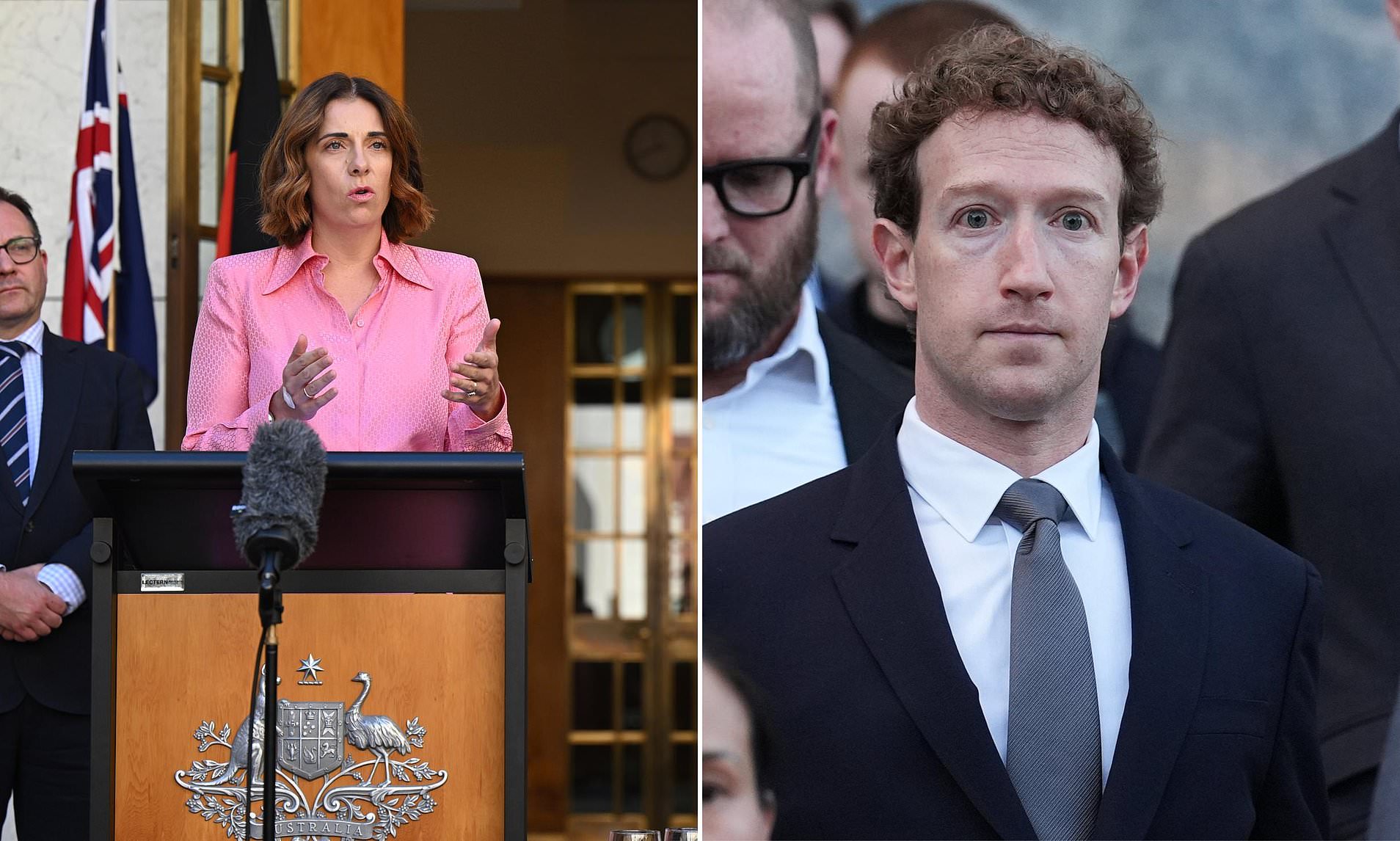
New Legislation to Ensure Fair Payment for Australian News Content
Australia has introduced a groundbreaking initiative known as the News Bargaining Incentive, which aims to ensure that major digital platforms such as Facebook, Google, and TikTok pay for the use of Australian news content. This move is part of a broader effort to support local journalism and protect the democratic fabric of the country.
The new laws are designed to prevent tech giants from avoiding payments by simply blocking news content on their platforms. The reforms, outlined in draft legislation, address an ongoing debate about who should fund Australian journalism in the digital age. Under the proposed model, social media companies will be required to negotiate directly with eligible Australian news publishers to avoid paying higher fees for using news content.
The Albanese government estimates that this scheme could generate up to $250 million, with the funds redistributed across the media sector. Platforms that successfully negotiate and sign deals will receive offsets that reduce their overall financial liability. However, those who refuse to pay for news content will face a compulsory charge based on a proportion of their Australian revenue.
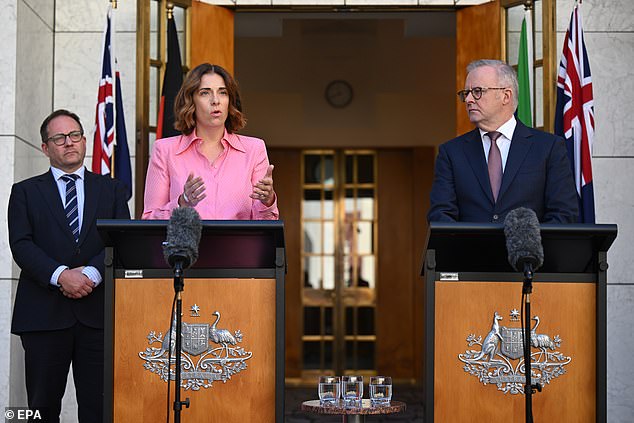
Prime Minister Anthony Albanese emphasized the importance of this reform in protecting journalism and safeguarding democracy. “This is not about government revenue; every single dollar will go back to journalists, to pay for the journalism that is produced in newsrooms right around the country,” he stated. He added that investment in journalism is crucial for a healthy democracy, as it defines how Australian society operates.
The previous Media Bargaining Code, introduced in 2021, was found to be insufficient as it allowed companies to sidestep obligations by removing news content. The new model closes this loophole, making payment the more practical and cost-effective option.
Communications Minister Anika Wells highlighted the significance of these laws in modernizing regulation as technology continues to evolve. “There has never been a more important time to ensure journalists are supported to keep Australians up to date with the latest and most accurate news,” she said. She also noted that this initiative is part of the government’s efforts to ensure that laws keep pace with changing digital technologies and deliver outcomes that benefit the Australian public.
Wells explained that funding would be allocated based on the number of journalists employed by each outlet, meaning organizations with larger newsrooms would receive a greater share. Public consultation on the draft legislation will remain open until 18 May 2026, with submissions hosted through the Treasury website.
The government is also consulting separately on how any money raised should be distributed across the media sector, with a focus on sustaining newsroom jobs. This move follows a broader crackdown on big tech, including last year’s under-16 social media ban.
Wells has held high-level talks with technology executives over online safety, including a face-to-face meeting with the CEO of Roblox amid concerns about grooming and child protection. The Daily Mail previously revealed the meeting took place at Wells’ electorate office in Brisbane’s northern suburbs, a deliberate signal that the government would no longer roll out the red carpet for global tech giants.