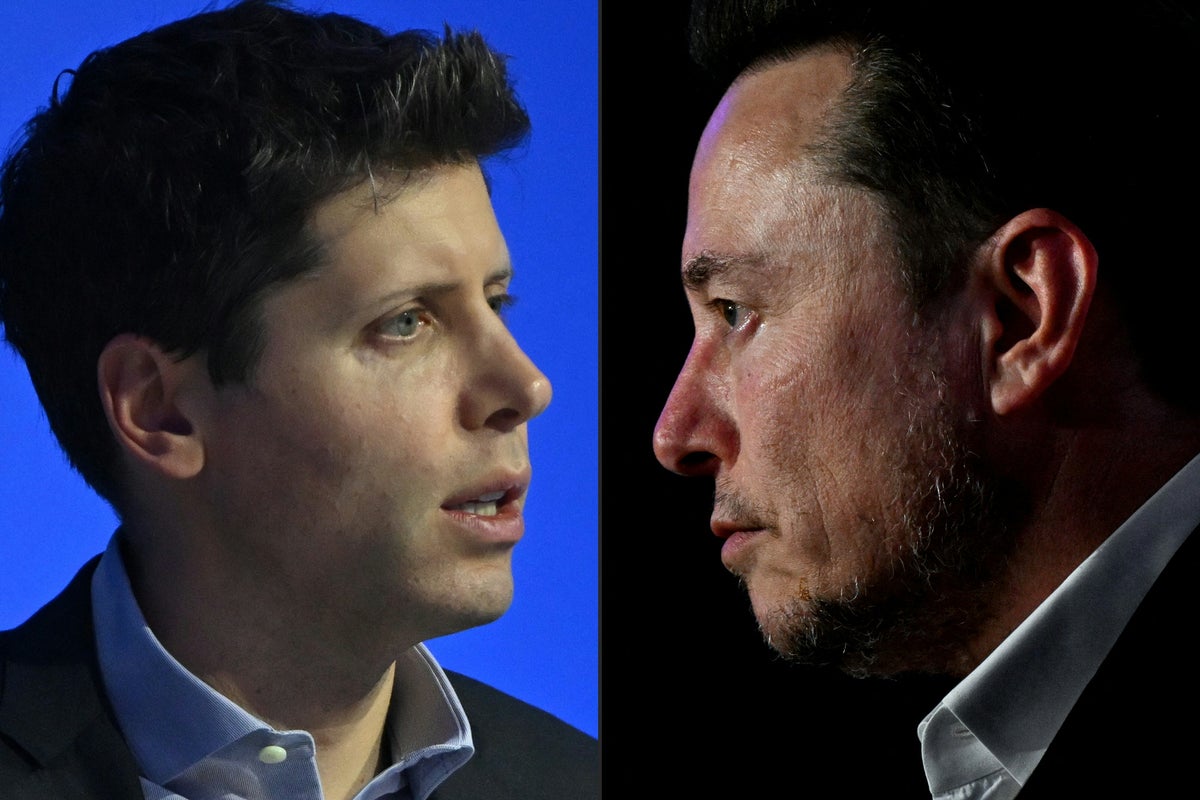
When it comes to identifying the most influential figures in technology, two names consistently emerge: Elon Musk and Sam Altman. Both have made bold claims about their ability to shape the future of humanity, yet their paths and philosophies often diverge.
Elon Musk, the South African-born founder of SpaceX, has been at the forefront of several ambitious ventures. Recently, he consolidated his business interests under one entity, with a vision that includes addressing declining global birth rates, launching missions to the Moon and Mars, and preventing social media platforms from becoming echo chambers of ideological conformity. His attempt to save X (formerly Twitter) from collapse following his $44 billion acquisition in October 2022 did not go as planned, and the platform’s popularity has since declined. The other aspects of his ambitions remain unfulfilled.
Sam Altman, on the other hand, is a key figure in Silicon Valley who leads OpenAI, a company that disrupted the tech world when it launched ChatGPT just a month after Musk took over Twitter. OpenAI now stands as one of the leading firms in the AI sector, with a focus on rapid growth and substantial investment.
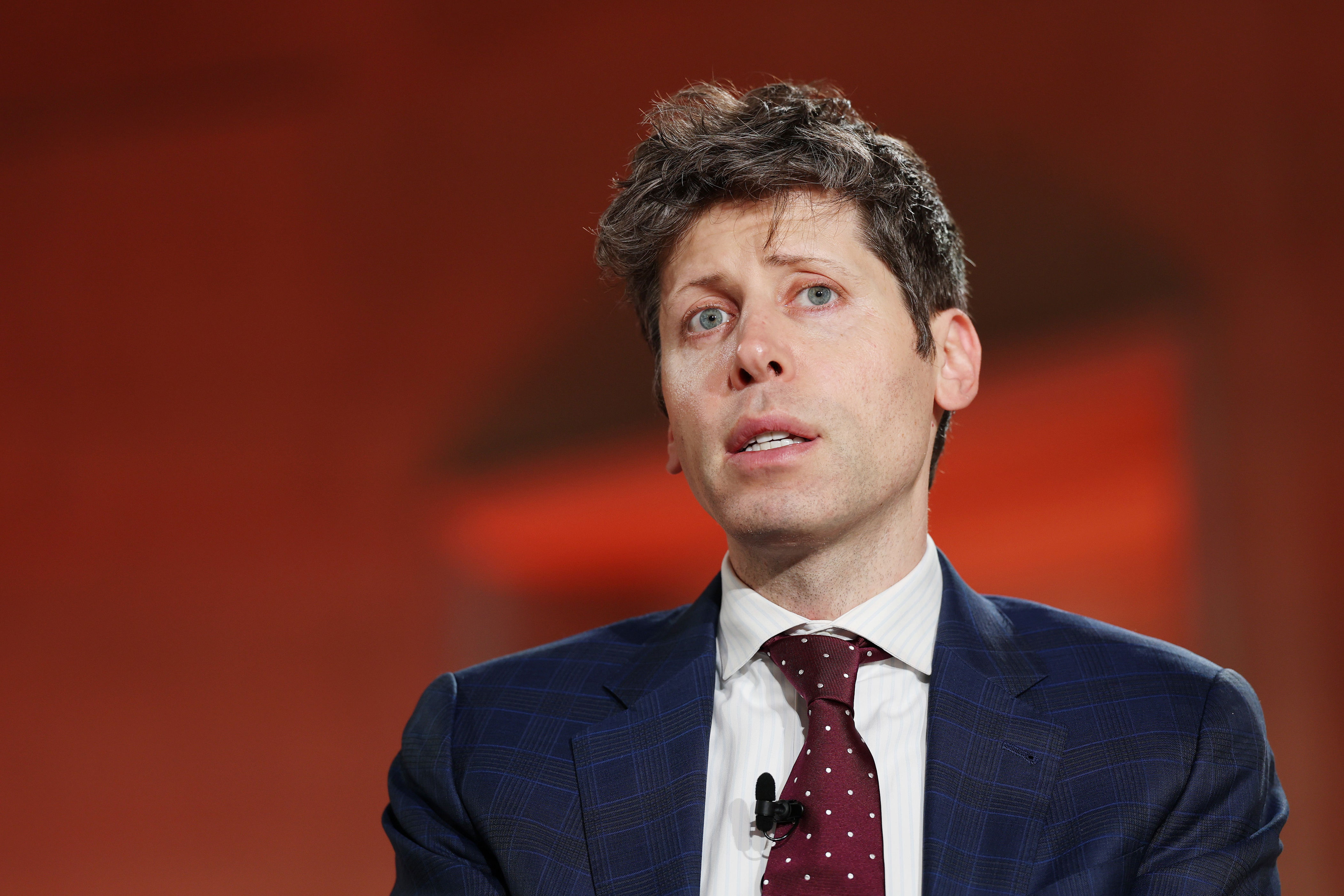
What makes Altman’s work concerning for Musk is the shift in OpenAI’s structure and mission. Musk played a role in founding OpenAI, but he eventually fell out with Altman over the direction of the company. Originally established as a non-profit in 2015, OpenAI introduced a “capped profit” subsidiary in 2019 to attract investors like Microsoft. This move was intended to ensure that the company remained committed to its mission of developing safe artificial general intelligence (AGI) for the benefit of humanity. Investors and employees are legally restricted from earning more than 100 times their initial investment or share value.
Now, Musk is taking legal action, alleging that Altman has deviated from the original non-profit principles. This case, set to begin in Oakland, California, is expected to last several weeks. If Musk prevails, it could force OpenAI to restructure its for-profit model, change leadership, and influence how charities and donors challenge mission drift in Silicon Valley. This outcome could also affect OpenAI’s potential IPO and raise questions about the autonomy of non-profit AI labs.
For many, the case represents a broader debate about whether “for the public good” in AI is a genuine commitment or simply marketing. Dan Ives, a principal analyst at Wedbush Securities, calls it a “tech soap opera,” suggesting that the legal battle will likely involve personal attacks and disputes between Musk and Altman.
Andres Guadamuz, a legal scholar at the University of Sussex, adds that the case is about two powerful individuals with conflicting visions for the future of AI. Both believe their approach will have a significant impact on society, and neither is willing to concede.
In preparation for the trial, Altman published a 1,100-word thesis outlining OpenAI’s principles, which appears to be a strategic move to define the company’s stance. He has also reduced references to AGI compared to previous documents, possibly in response to Musk’s arguments.
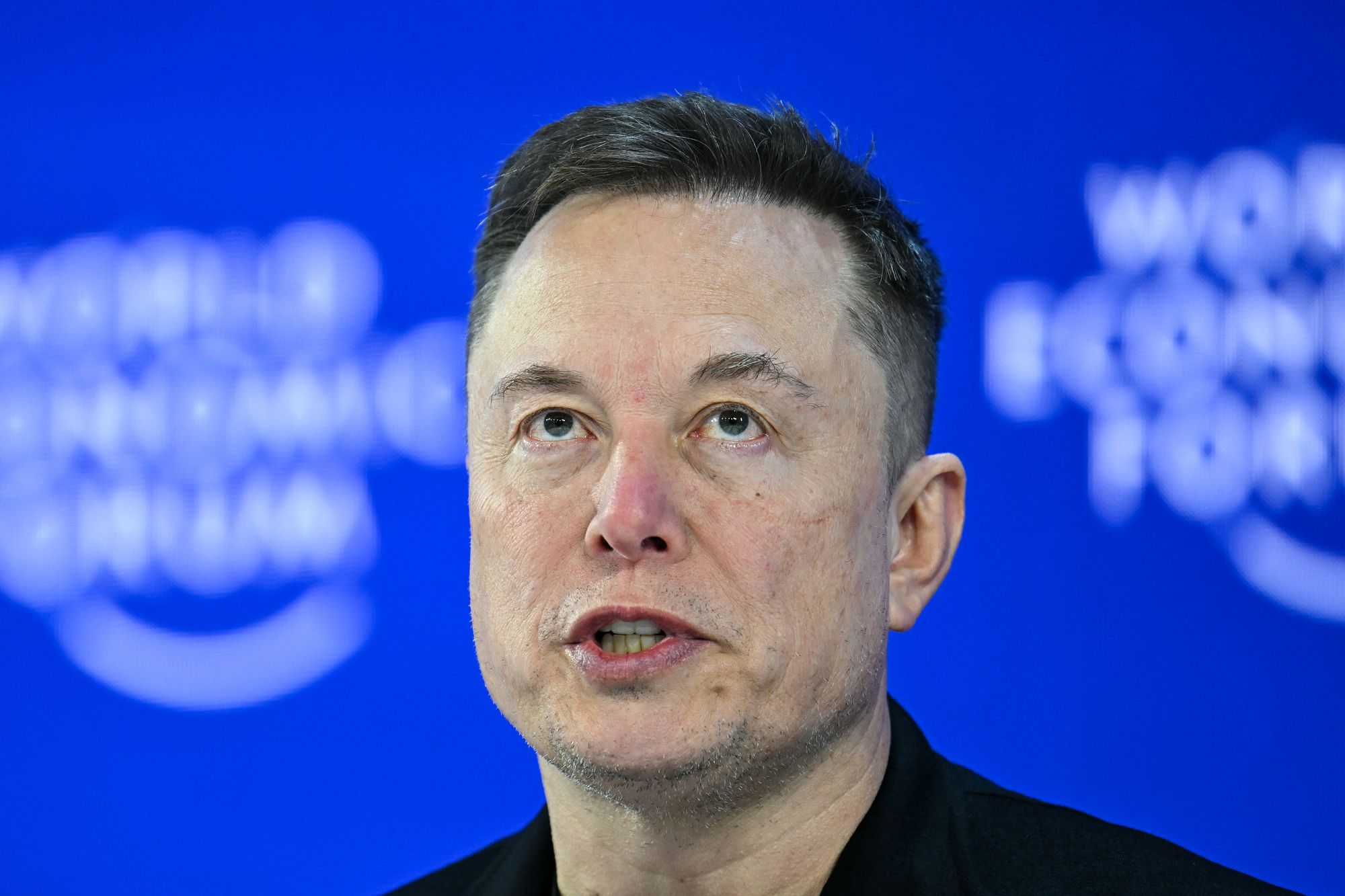
OpenAI has denied the allegations, claiming that Musk had ample opportunity to voice concerns without resorting to lawsuits. The firm’s legal team described Musk’s actions as part of an ongoing campaign to undermine OpenAI for competitive gain.
The trial has already caused damage to both parties before it even begins. Musk faced questions about alleged drug use during a festival, while Altman has been subjected to rumors that border on homophobia. Despite these challenges, Guadamuz believes the case may ultimately be settled outside of court, as neither side wants a negative outcome.
For OpenAI, this could be a make-or-break moment, particularly with an IPO on the horizon. For Musk, the case seems more personal, though a win could lead to OpenAI ceding dominance to another AI company that aligns more with his views.
The outcome could also influence how non-profits and charitable organizations operate, potentially giving donors more power to challenge the direction of a charity, even without contractual rights. Anupam Chander, a law professor at Georgetown University, notes that donors often disagree with a charity’s direction and may feel misled.
The Independent remains a global news brand known for its independent thinking, providing news, commentary, and analysis for those who value critical perspectives. Its mission to drive positive change is more vital than ever.