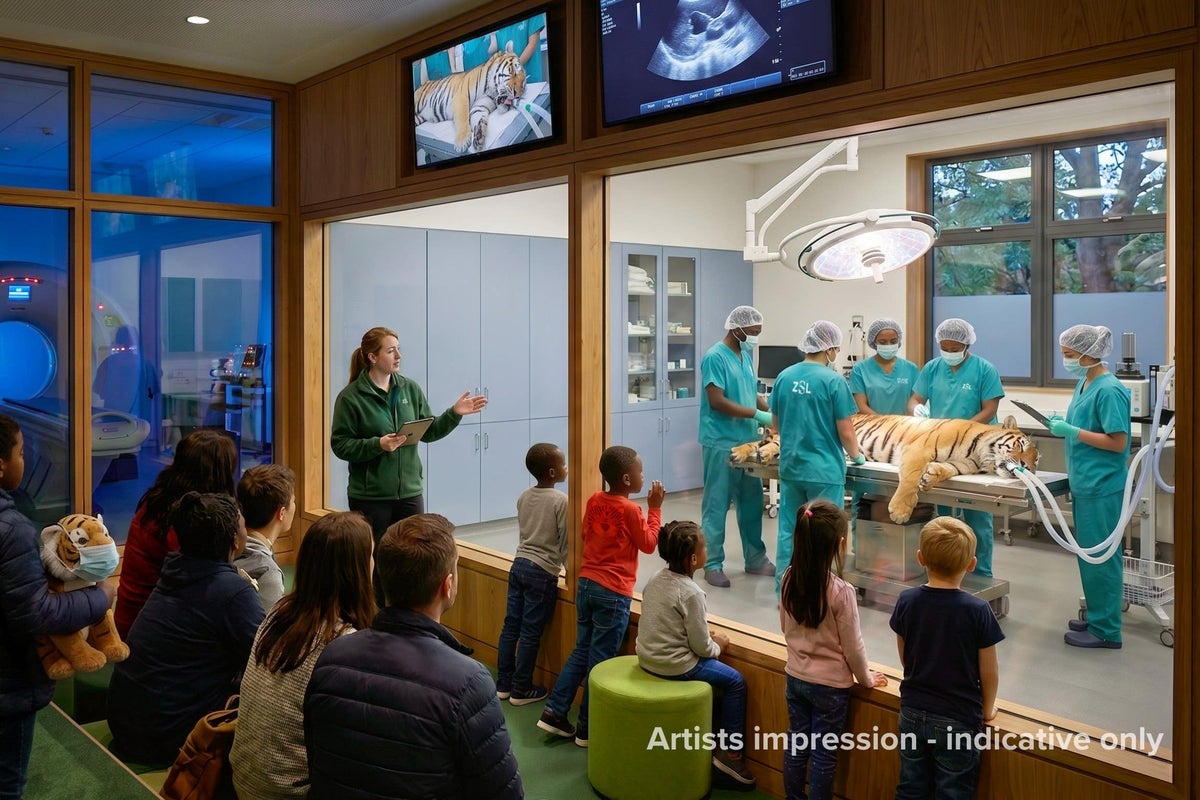
A New Era for Wildlife Health and Public Engagement
The Zoological Society of London (ZSL) has announced the construction of a state-of-the-art £20 million wildlife health centre, marking a significant milestone in its 200-year history. This new facility, located at ZSL’s UK headquarters in Regent’s Park, London, will serve as a hub for veterinary care, disease monitoring, and conservation research. The project is made possible by an anonymous donation, the largest in the charity’s history.
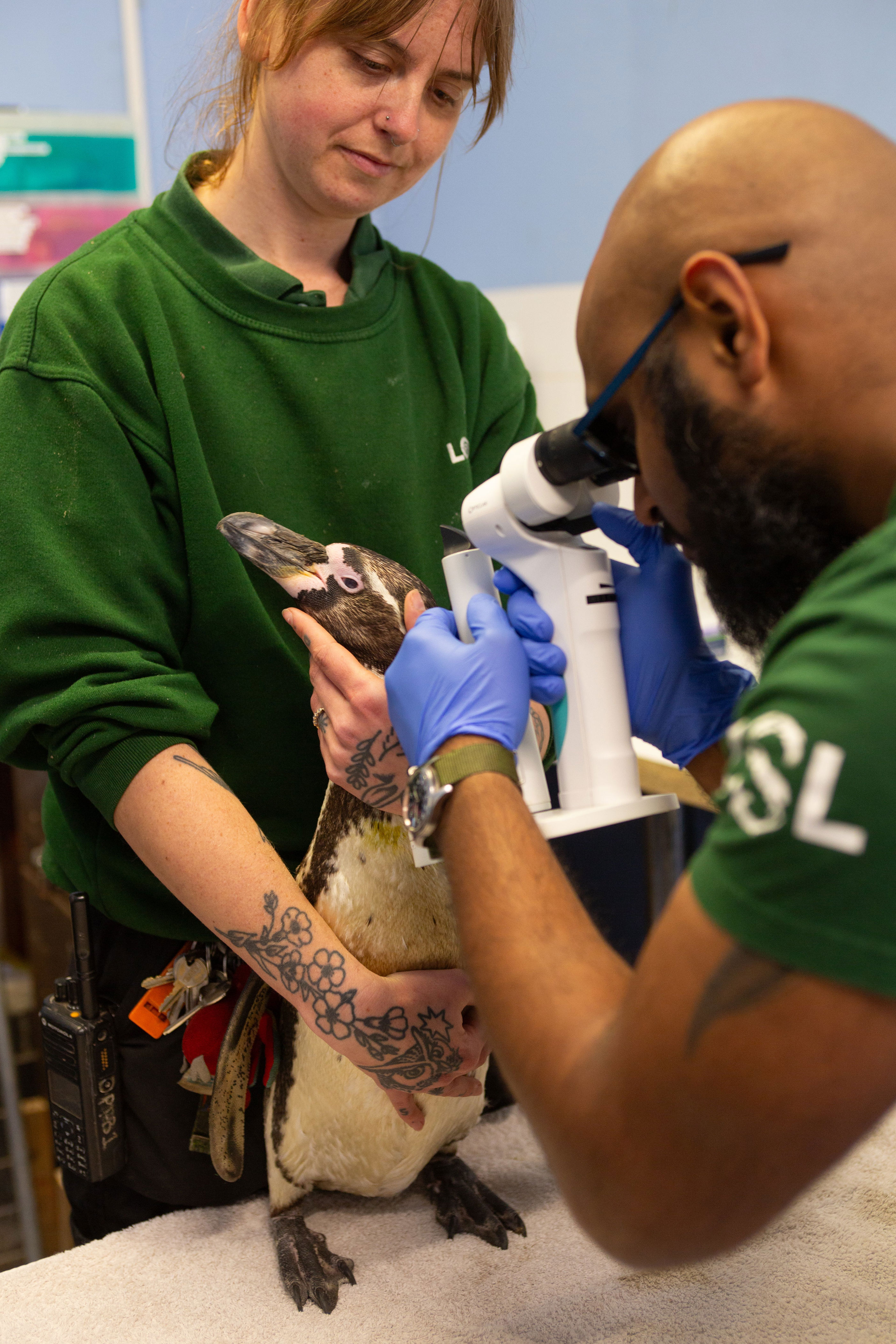
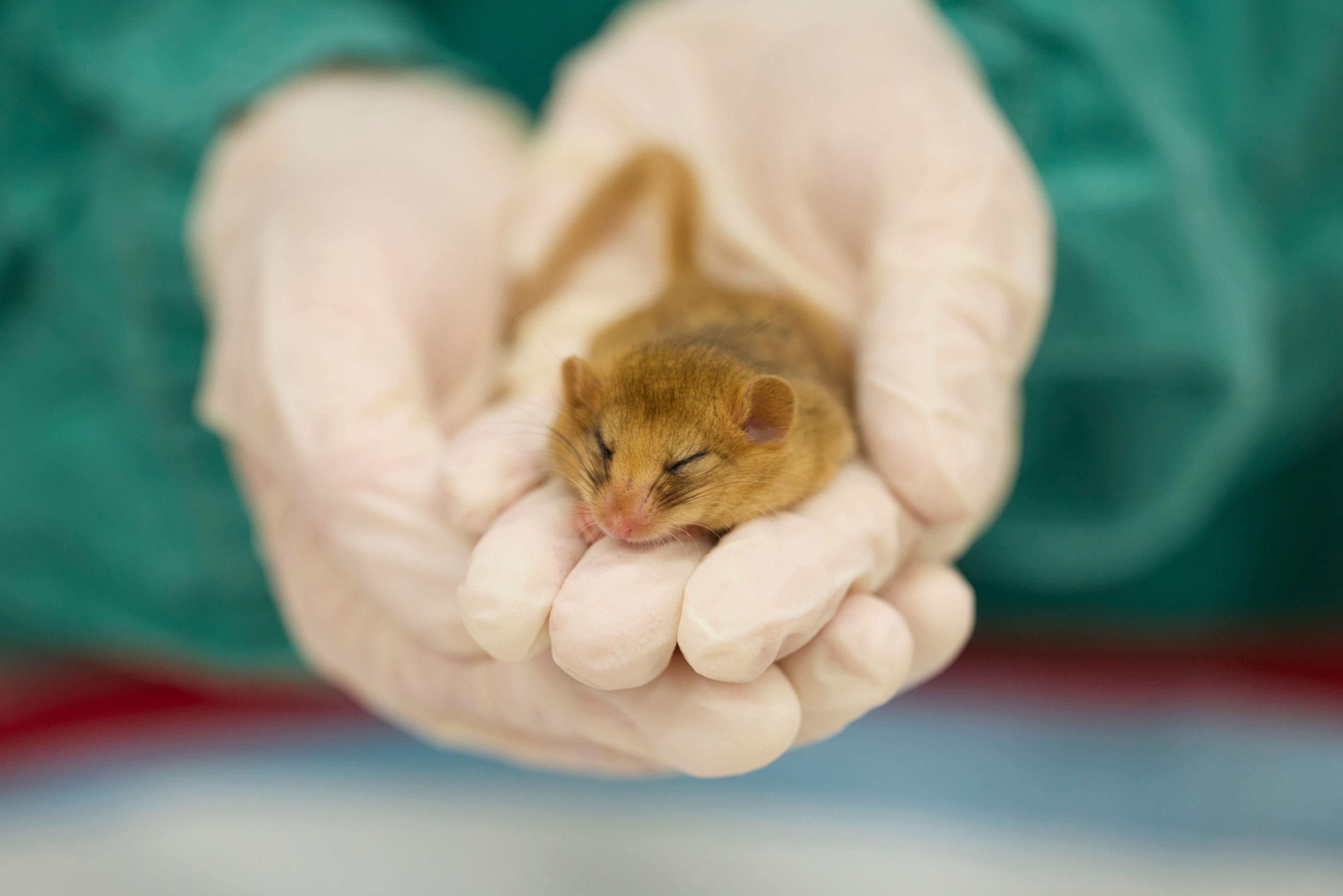
The centre will not only enhance the care provided to zoo animals but also support the monitoring of emerging diseases in the wild. It will play a crucial role in conservation efforts, such as health-checking wildlife like hazel dormice before their release into the wild. One of the most exciting features of the centre is the UK’s first-ever vet hospital viewing gallery, allowing the public to witness veterinary procedures in real time.
Public Access to Veterinary Care
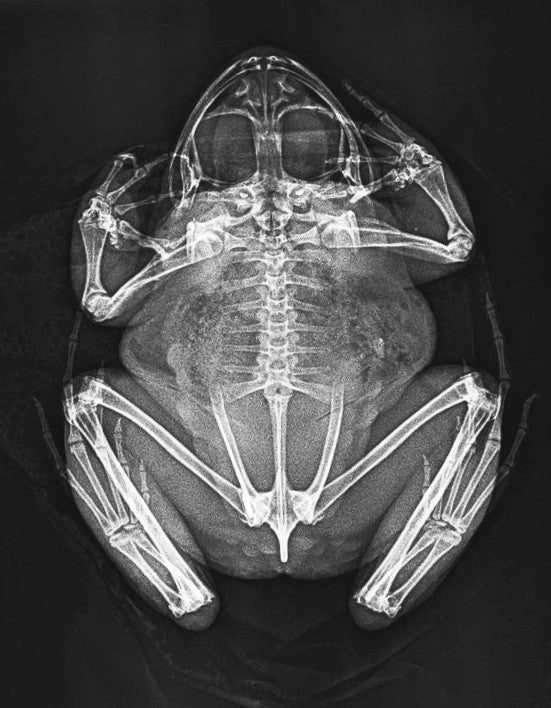
Visitors will have the opportunity to observe various aspects of veterinary science, including X-raying mountain chicken frogs as part of health checks for London Zoo’s population of this critically endangered amphibian species. These frogs are threatened by the chytrid fungus, which has driven them to the brink of extinction in their native Caribbean habitat.
In addition to frog X-rays, the public will be able to watch science research such as porpoise and dolphin autopsies following strandings along the coasts of England and Wales. Disease surveillance activities, including pre-release checks on hazel dormice, will also be visible. These checks are essential for reintroduction projects in woods across the country.
Expanding Education and Training
The new centre will also expand the existing work of training wildlife vets and conservation scientists. It will offer postgraduate training, specialist training, and field-based training in biodiversity hotspots. This initiative aims to equip future professionals with the skills needed to address global conservation challenges.
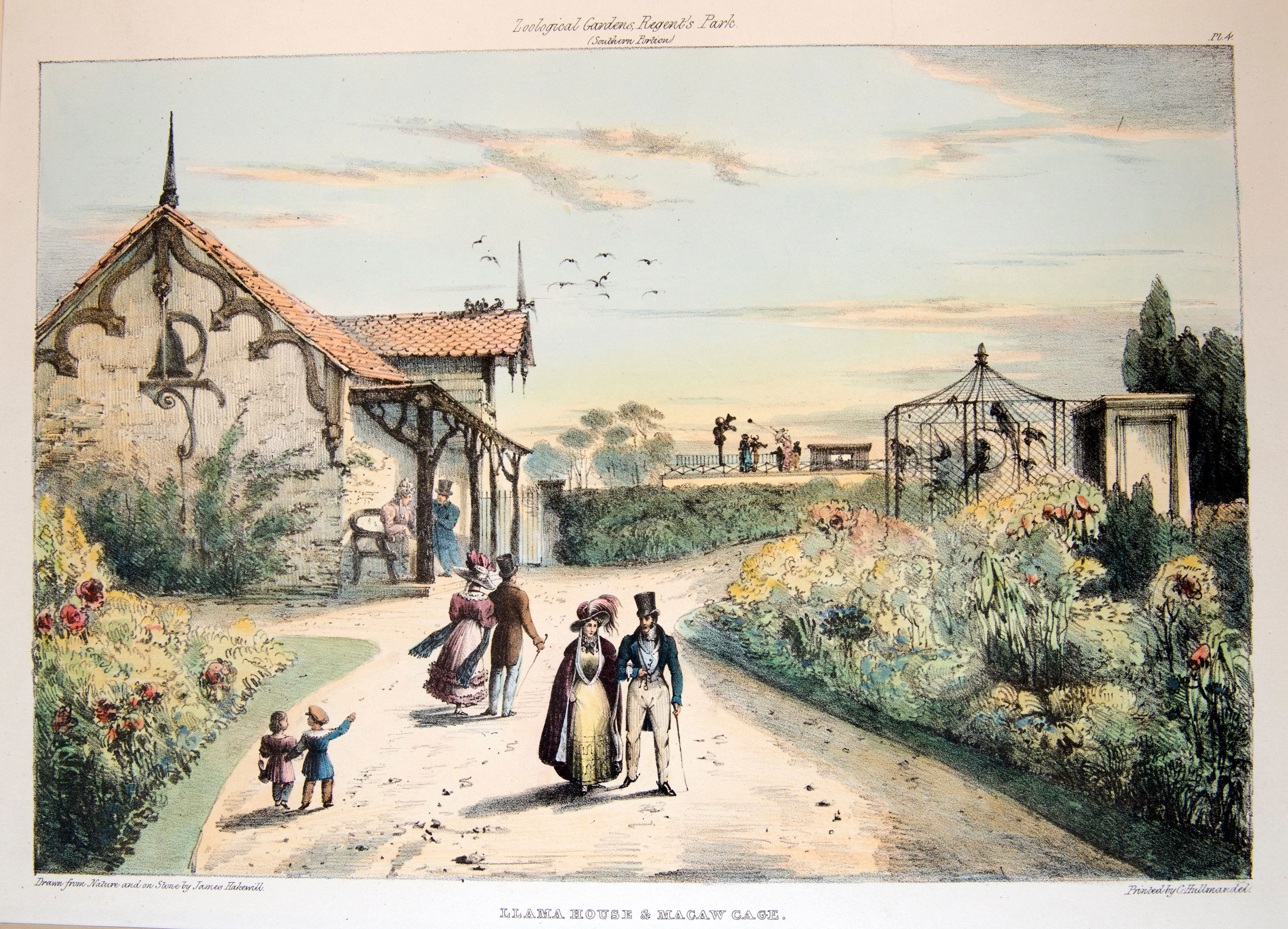
Kathryn England, ZSL chief executive, highlighted the organisation’s long history of veterinary care, from employing the first visiting vet for the zoo in 1829 to the appointment of Britain’s first dedicated zoo vet in 1959. She emphasized that ZSL has evolved from studying wildlife to conserving it and now fighting for it.
The “One Health” Approach
ZSL also focuses on studying wildlife diseases and their spread, including bovine TB and how viruses carried by bats can spill over into humans. The new centre will embody the “one health” approach, which recognizes the interconnectedness of animal, human, and ecosystem health.
Ms England added that ZSL has shaped how wildlife is studied, treated, and protected over the past two centuries. She described the new centre as a platform for action, building on the organisation’s legacy.
Future Plans and Features
Dr Amanda Guthrie, ZSL’s head of wildlife health services, described the new centre as a “state-of-the-art facility” that will provide more space for the veterinary team and advanced equipment. Potential additions include a CT scanner and new post-mortem areas.
Under the plans, which are still in the early stages, the facility will also feature audio-visual equipment to enable remote teaching for wildlife vets and conservationists around the world. This will facilitate collaboration and knowledge sharing on a global scale.
“This facility will allow us to do more teaching and research and collaboration,” Dr Guthrie said. “But for us, most importantly, we want visitors to get to see the work we do.”
Inspiring the Next Generation
Dr Guthrie emphasized the importance of transparency and public engagement. She hopes that visitors will gain an appreciation for the high standards of animal welfare upheld by ZSL and be inspired to consider careers in wildlife health and conservation.
It is expected that visitors to London Zoo, located at ZSL’s headquarters in Regent’s Park, will be able to tour the wildlife health centre as part of their visit. Most likely, they will witness preventative health checks and other routine veterinary care that form the majority of the charity’s work.