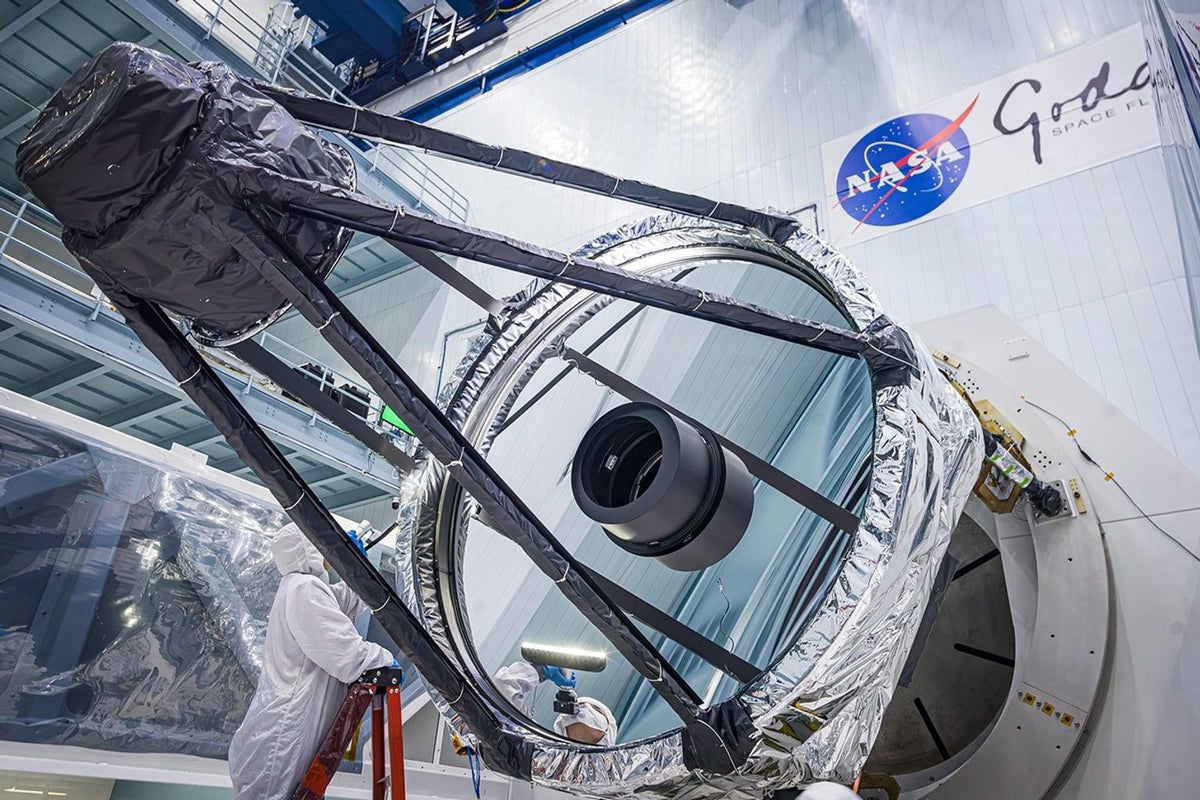
A groundbreaking new telescope is set to revolutionize our understanding of the universe. This advanced instrument will enable NASA scientists to study and identify 100,000 exoplanets, hundreds of millions of galaxies, billions of stars, and rare objects and phenomena that have never been observed before.
However, the Trump administration’s proposed budget cuts pose a significant threat to this scientific endeavor. The Nancy Grace Roman Space Telescope, named after the first female NASA chief astronomer, faces the risk of being abandoned before it even launches. This could also jeopardize future missions aimed at unraveling the mysteries of the cosmos.
The budget proposal suggests a drastic reduction in NASA’s science budget, with a 46 percent cut from 2026. According to The Planetary Society, this would result in the cancellation of more than 50 science missions, including a dozen from its astrophysics team. The budget was released just as NASA announced the completion of the telescope, which boasts extraordinary capabilities. It has a field of view at least 100 times larger than the Hubble Space Telescope, the ability to block out starlight for clearer views of exoplanets, and the capacity to collect data that will help answer some of the biggest questions about our universe.
The telescope, which will capture images so large and detailed that no existing screen can display them, could launch into orbit as early as September, months ahead of the May 2027 schedule and within its $4.3 billion budget.
But the budget cuts extend beyond just science operations. Overall, the White House request would reduce agency funding by 23 percent, with a greater focus on the Artemis space race and landing astronauts on the moon by 2028. While the Artemis II lunar flyby was a success, the proposed timeline for the program has come under scrutiny. A recent report from NASA’s Office of Inspector General cast doubt on the timeline, although NASA remains confident it is still on track.
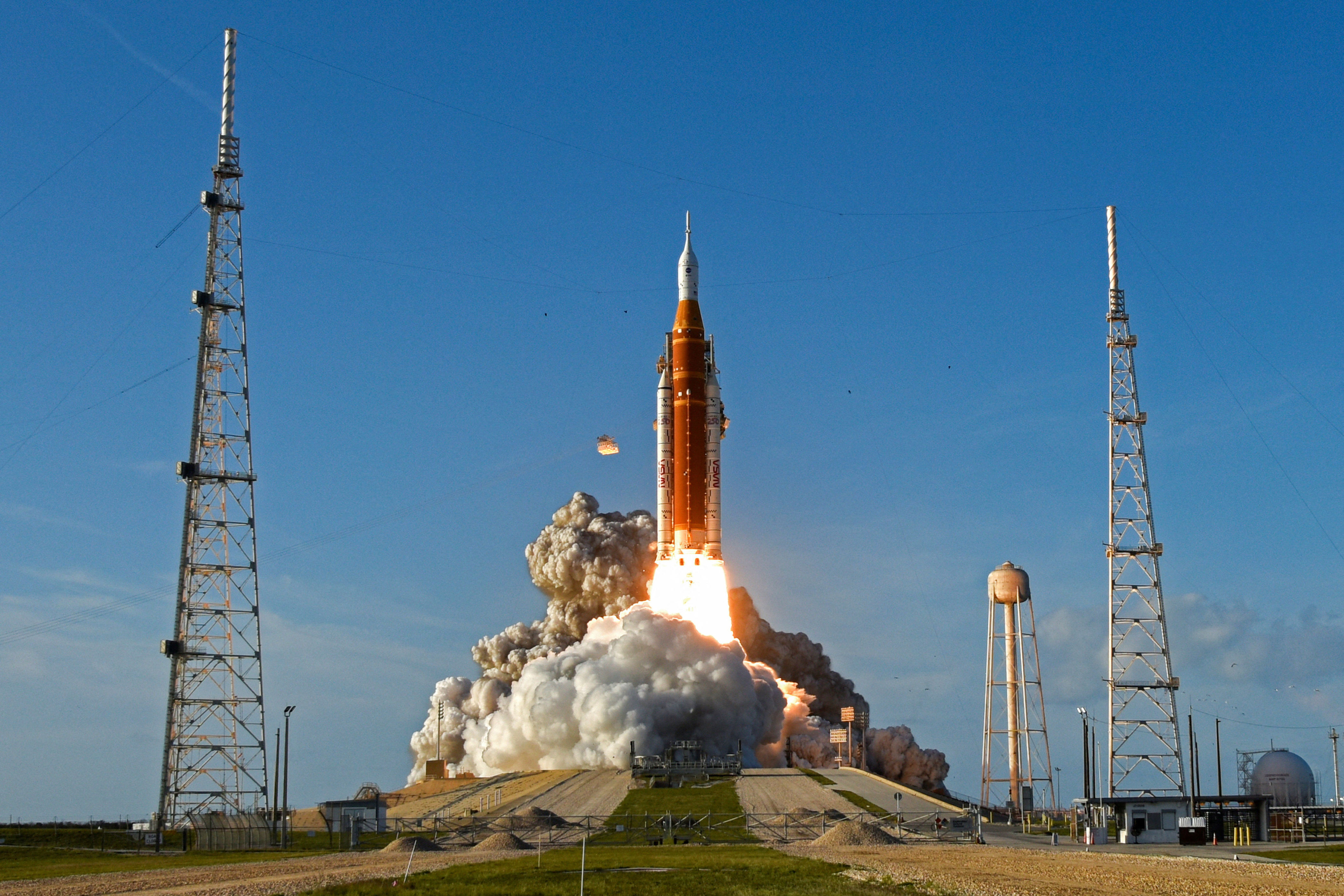
Interestingly, the new cuts also include the Mars Sample Return mission, which was already canceled in 2026. It is unclear why this mission was included again, but it is critical in the search for life off Earth. The mission would bring rock samples collected from Mars back to Earth, some of which may contain the clearest signs of life found there. The science behind the mission would also aid future Artemis missions, which aim to go to Mars after the moon. It would help identify and characterize risks and opportunities, according to NASA.
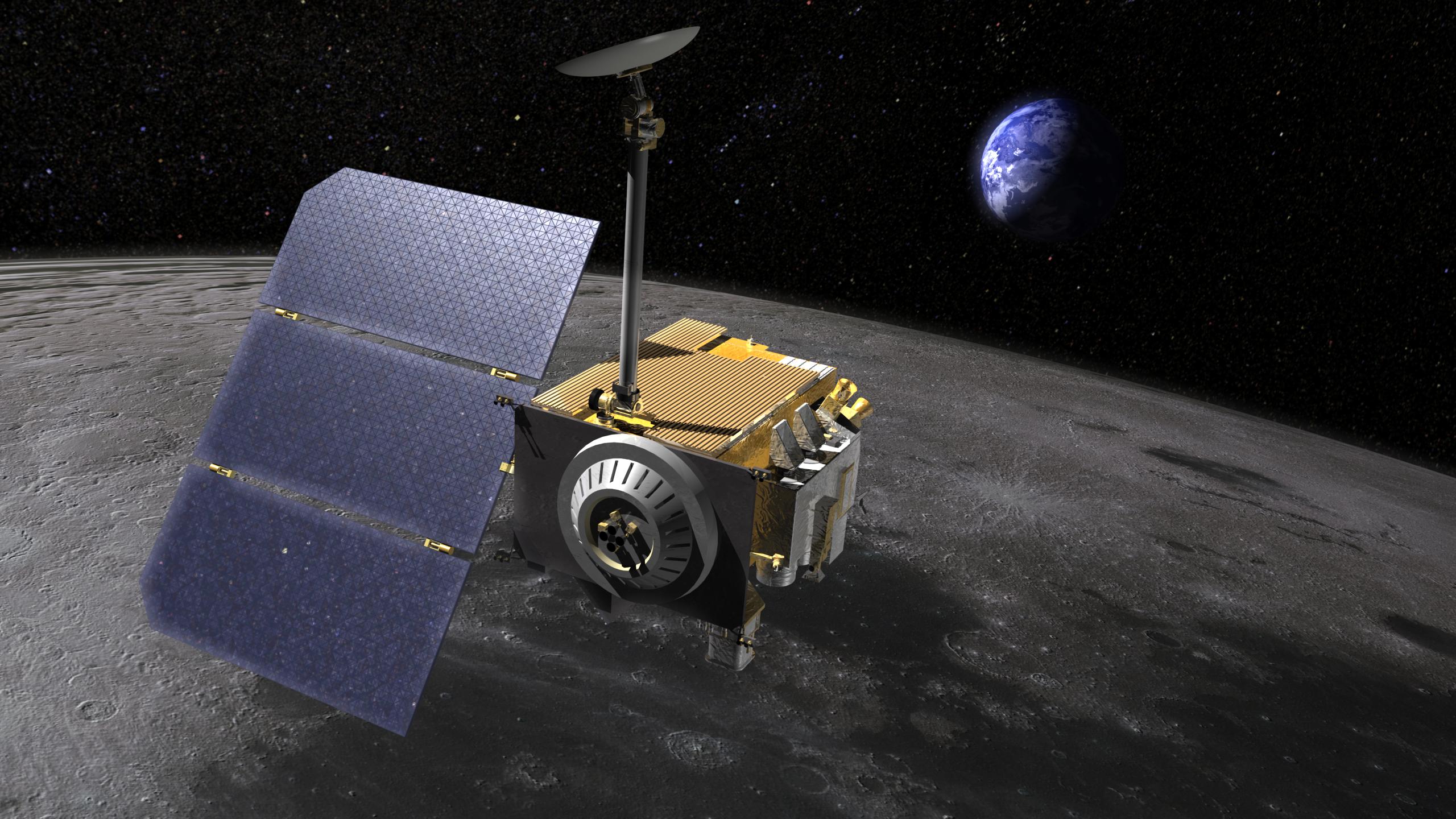
Many of NASA’s science missions have contributed to preparing for Artemis. For example, the Lunar Reconnaissance Orbiter has mapped the moon’s surface and measured its environment since 2009, allowing NASA to select landing spots.
This is why scientists argue that these cuts make little sense. Dr. Barrett Caldwell, Director of the NASA Indiana Space Grant Consortium, told NewsNation: “You can’t have a mission that goes to Mars without robotics and machine learning and all those software tools to keep the mission on track. So, to say that’s not human space flight is incorrect.”
Casey Dreier, Chief of Space Policy at The Planetary Society, described the cuts as an “extinction level event” for NASA science. He wrote, “For the dinosaurs, it was the Chicxulub impactor. For NASA’s science program, it very well may be the FY 2027 Presidential Budget Request.”
Since the budget request was unveiled earlier this month, NASA Administrator Jared Isaacman has addressed concerns about the impacts on the agency. At a press conference, he confirmed that plans for the Dragonfly mission to Saturn’s moon Titan and the Habitable Worlds Observatory are underway. “Science is incredibly important to what we do here,” he said. “Going out and trying to unlock the secrets of the universe is fundamental to NASA’s mission.”
During testimony on Capitol Hill, Isaacman expressed confidence in the agency’s ability to function despite the proposed cuts. “My commitment is to maximize the value of every dollar; we can do more with less,” he told Virginia Democratic Rep. Suhas Subramanyam.

Despite these assurances, nearly identical cuts—such as canceling the Nancy Grace Roman Space Telescope—were rejected for the fiscal year 2026 budget. Lawmakers are expected to face similar hurdles with the new cuts. Last month, over 100 members of Congress signed a letter calling for renewed investment in NASA science, including California Democratic Rep. George Whitsides, who called the budget request “dead on arrival.”
Even if these cuts face resistance, science has been under pressure during Trump’s presidency. The Nancy Grace Roman Space Telescope has faced threats multiple times over the past decade.
The U.S. was once the world leader in science, but its ranking has declined in recent years. NASA is one of the few federal agencies that hasn’t seen its science funding drastically reduced, though its workforce has been significantly depleted.
Some of the most exciting work at NASA over the next decade is in its science missions, such as the asteroid-hunting NEO Surveyor project.
Bill Nye, “The Science Guy,” recently stated that the cuts are “just a mistake.” “You cannot be a leader in space without being a leader in science,” he said.
Independent readers are independent-minded global citizens. They are not defined by traditional demographics or profiles, but by their attitudes. In today’s increasingly fragmented world, communities value real facts and frank opinions delivered first-hand from a non-biased news brand that they can trust. Armed with information and inspiration, Independent readers are empowered and equipped to take a stand for the things they believe in.