The Evolution of Computer Science Education
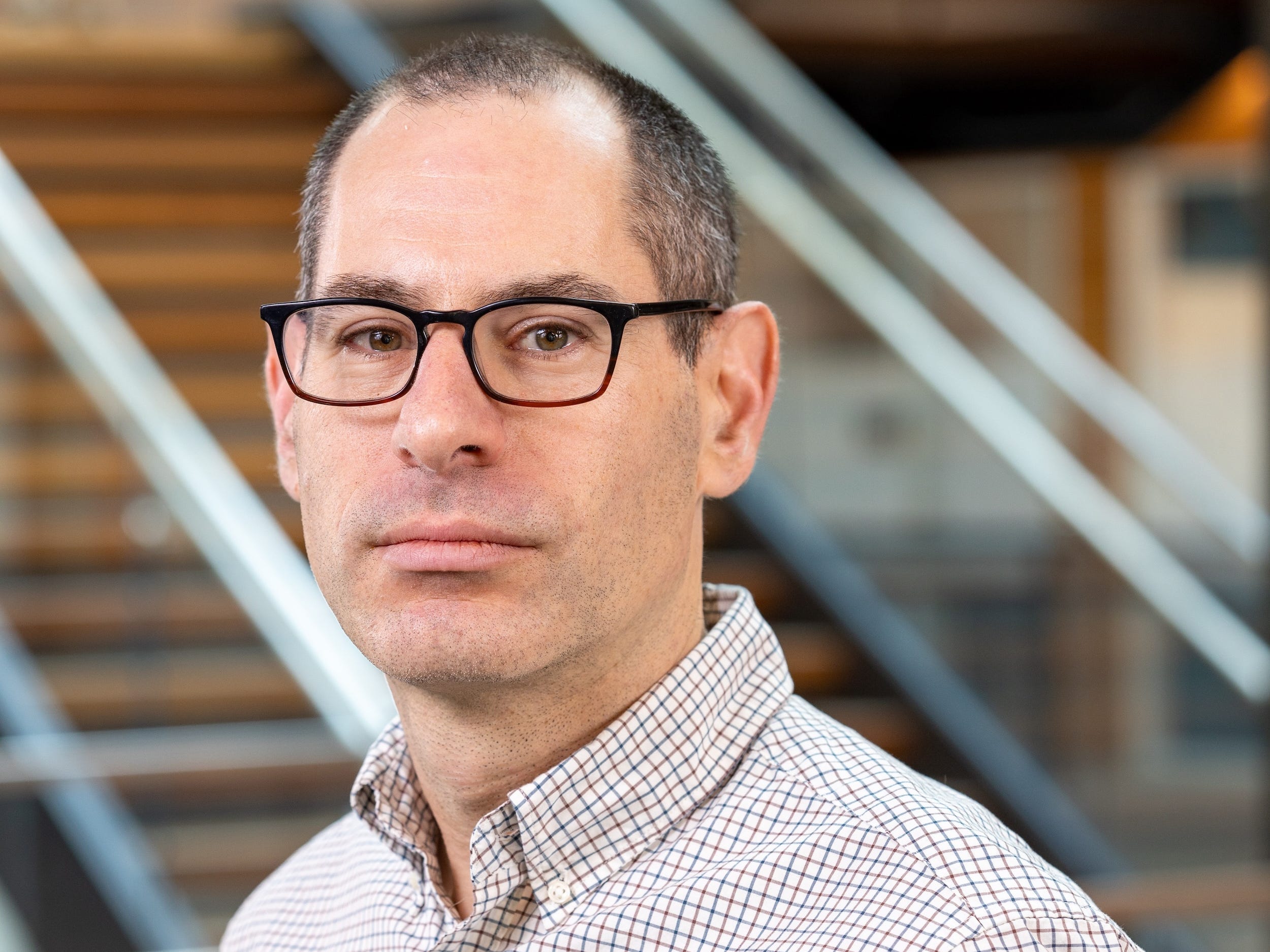
Before the advent of AI, getting all the tiny details of code right was a crucial part of programming. However, this is changing rapidly. Dan Grossman, a professor of computer science at the University of Washington, highlights that one of the key aspects of the field is evolving.
Grossman, who also serves as vice director of the Paul G. Allen School of Computer Science and Engineering, believes in the future of computer science and the continued need for computer engineers. He emphasizes that the push to “Learn to Code” must adapt to these changes.
“I think that part of what we were teaching a few years ago, when we had people learn to code, was a lot of focus on getting all the tiny details right,” Grossman explained. “Where did you put a semicolon versus a comma? What exactly is the word for something? Things like that.”
He points out that AI coding tools are transforming the way we approach software development. These tools are taking care of many of the technicalities, both for non-professional and professional software engineers.
Despite these changes, CS degrees remain valuable. This point has been emphasized by some in the AI community, including OpenAI Chairman Bret Taylor. Grossman notes that the ability to precisely specify what an algorithm should do, or what code should accomplish, is still essential.
“The idea to precisely specify what you want an algorithm to be, what you want code to do, to have this sort of creative but precise design for an app or something that just makes you more productive or creative in your life,” he said. “A lot of the same skills are going to be needed.”
The Allen School, named after the famed Microsoft co-founder who once sneaked into the university’s computer science lab as a high school student, is adjusting its teaching methods in a world where the pesky details of code matter less.
Changing Conversations Around Computer Science
At the same time, the conversation around computer science has clearly shifted. A few years ago, computer science was a popular major. However, AI-related fears now dominate headlines, overshadowing the job market. Despite this, the extent of the cooldown is debated.
According to a New York Fed analysis of 2024 graduates, as of February, computer science and computer engineering graduates have among the highest unemployment rates at 7.8% and 7.0%, respectively. Yet, Business Insider recently reported that data from TrueUp, a tech hiring analytics firm, shows more than 67,000 software engineering job openings, the highest level in over three years.
Grossman noted that the Allen School’s tracking shows its graduates are getting jobs at roughly the same rate, though where they are ending up has started to shift.
“We are seeing a bit more of our students go to companies that are absolutely tech companies, but they’re not necessarily tech-first or tech-only companies,” he said. “There are companies that everyone just thinks of for building software, but there are other companies that rely on software, but you don’t necessarily think of as a software company.”
The Future of Computing and Engineering
Ultimately, Grossman believes there will be a need for many engineers because AI has only just begun to push the limits of computing.
“The world can only eat so much food and can only drive across so many bridges, right?” he said. “But we haven’t come anywhere close to the limit of what we would like software and computers to do.”
For all the changes happening in computer science, Grossman emphasizes that there are core concepts that will remain vital to learn.
“Look, we’ve been building better and better tools and languages and ways to build software for decades,” he said. “I’m always reminding people that five years ago, the way we develop and shift software already looked nothing like 25 years ago when we put software on CDs with one version a year, put it in boxes, wrapped it in cellophane, put it on trucks and shipped it to stores where people went in, picked up the box and bought it.”