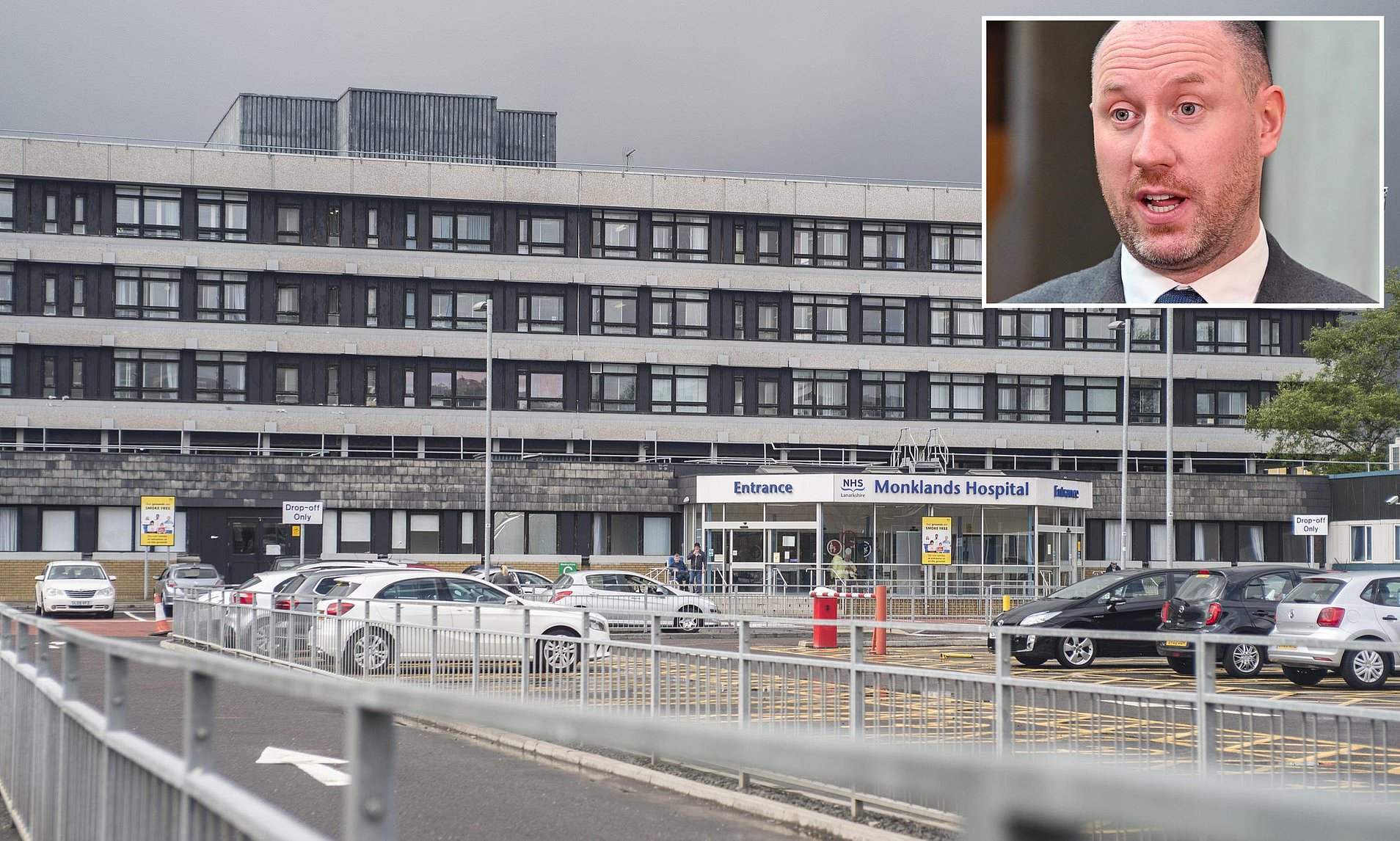
Rising Costs and Delays in Scotland’s Super-Hospital Project
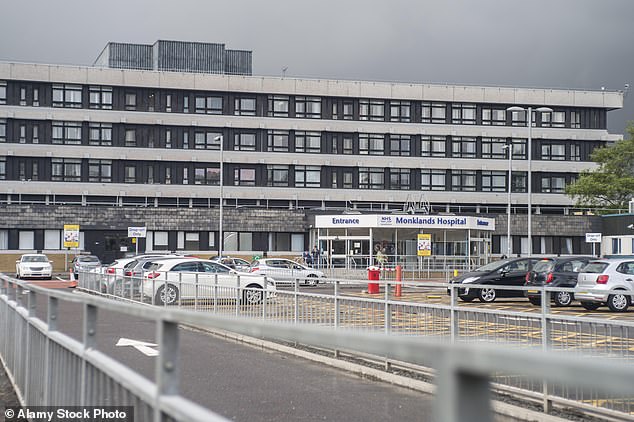
The University Hospital Monklands (UHM) project, a key initiative of the Scottish Government, has faced significant challenges in terms of both cost and timeline. Initially estimated at around £700 million three years ago, the project’s price tag has now reportedly tripled to over £2 billion. This dramatic increase has raised concerns among political opponents and local residents alike.
The hospital, located in the Airdrie constituency represented by Neil Gray, was originally slated to open in 2028. However, it is now expected to be completed by 2031, marking a three-year delay. The project, which was meant to be the largest health construction endeavor in Scotland, has sparked criticism from various political groups.
Political Criticism and Calls for Transparency
Scottish Conservative health spokesman Dr. Sandesh Gulhane criticized the SNP for its inability to deliver infrastructure projects on time or within budget. He pointed out that the hospital is located in the health secretary’s own constituency, highlighting what he sees as a failure of leadership.
“The SNP are incapable of delivering any infrastructure project on time or on budget – and that includes a hospital in the health secretary’s own constituency,” said Dr. Gulhane. “Patients in Neil Gray’s seat are paying a heavy price for the Nationalists’ incompetence.”
He urged the SNP to provide clear answers regarding the hospital’s opening date and the full extent of the cost increases before the upcoming election. Dr. Gulhane also warned against the possibility of the project becoming another “money pit,” referencing past failures such as the ferries fiasco and the Barlinnie prison replacement.
Concerns Over Budget and Future Projects
The business case for the UHM was submitted to ministers five months ago, but approval was not finalized before the election campaign began. This delay has added to the uncertainty surrounding the project.
Ex-SNP health secretary Alex Neil suggested that John Swinney may have plans for “big cuts” following the election to address a looming £5 billion budget shortfall. These potential cuts could impact other major NHS projects across Scotland.
Scottish Labour deputy leader Dame Jackie Baillie echoed similar concerns, stating that the SNP’s repeated failures have threatened the stability of the NHS. She highlighted the ongoing issues with Glasgow’s Queen Elizabeth University Hospital, which has required £50 million in repairs since its rushed opening in 2015.
Baillie also mentioned the Baird Family Hospital in Aberdeen, which remains unopened, and treatment centers across Scotland that are still in limbo. She called on John Swinney to clarify whether the SNP intends to scrap the new Monklands hospital and asked Neil Gray to explain his position to constituents.
Promises and Uncertainty
At an election event in Glasgow, John Swinney gave a “categorical assurance” that the UHM would be built. However, he did not provide a clear timetable for the project. He stated that the hospital would be constructed through the next parliamentary term under an SNP government.
“I went the other day there to see the work that’s already underway on the site, to develop the site for it to be constructed, and that will happen through the next parliamentary term under an SNP government,” said the First Minister.
Despite these assurances, the Scottish Government froze new major NHS capital projects in early 2024. This decision affected several projects, including Belford Hospital in Fort William, Edinburgh Eye Pavilion, and other smaller clinics.
NHS Lanarkshire confirmed that the UHM’s opening target remains 2031, although no official statement has been released. A Scottish Government spokesman emphasized continued support for projects in construction, including the Radionuclide facility, Baird and Anchor Hospitals, and Foxgrove. They also highlighted the development of priority acute replacement projects in Monklands, Belford, Eye Pavilion, and St Brendan’s.
Ongoing Challenges and Public Concern
As the election approaches, the delays and rising costs of the UHM project have become a focal point for political debate. Voters are increasingly concerned about the SNP’s ability to manage large-scale infrastructure projects effectively. With the potential for further budget cuts and delays, the future of the hospital remains uncertain.