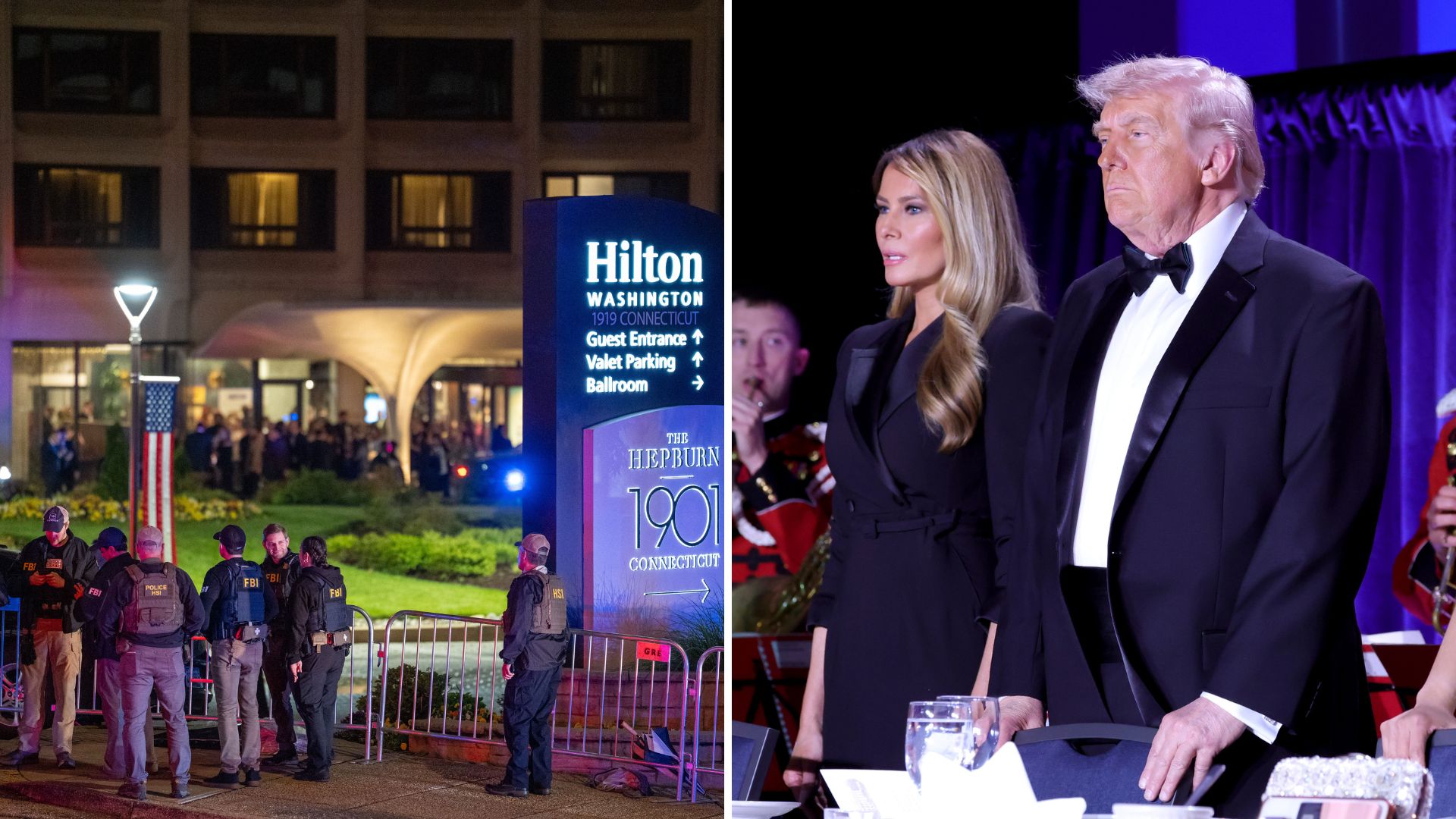
Security Concerns Emerge After Attack on Trump at White House Event
In the immediate aftermath of an incident targeting Donald Trump and members of his administration during the White House Correspondents’ Dinner, questions about the security measures surrounding the event quickly surfaced. These concerns were not only raised by journalists and political observers but also by the alleged perpetrator himself.
The suspect, identified as Cole Allen, reportedly sent a manifesto to his family shortly after the attempted attack. In this document, he directly criticized what he described as a “Level of Incompetence” in the event’s security arrangements. The text, later published in full by the New York Post, has become a key source for understanding both his motives and his assessment of how the breach occurred.
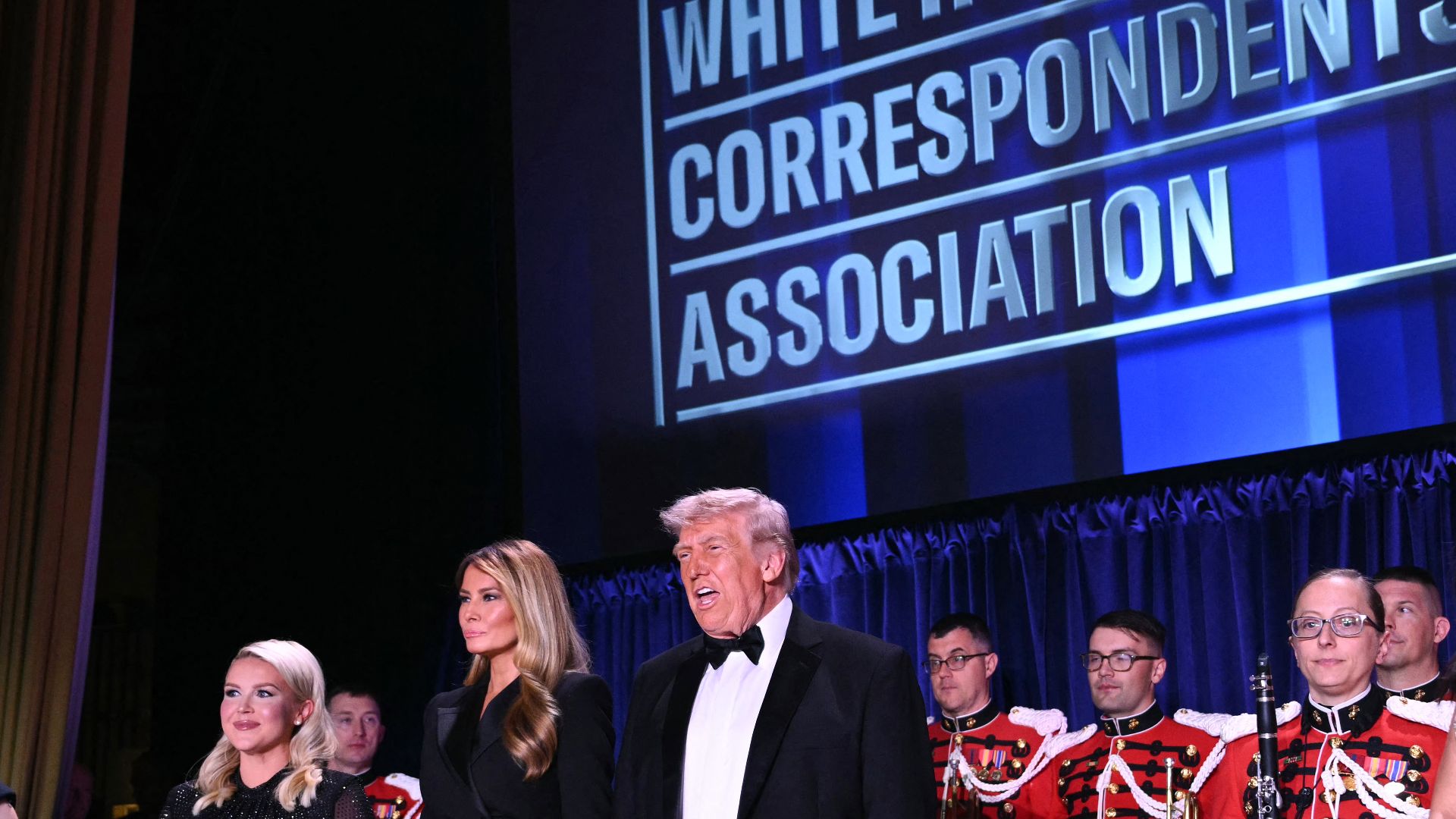
Manifesto Reveals Suspect’s Criticism of Security Measures
According to the manifesto, which is attributed to Cole Allen, the suspect detailed his reasoning and observations leading up to the attack. He expressed surprise at what he perceived as a lack of expected safeguards at an event involving the president. In the text, he wrote, “what the hell is the Secret Service doing?” and continued, “I expected security cameras at every bend, bugged hotel rooms, armed agents every 10 feet, metal detectors out the wazoo. What I got (who knows, maybe they’re pranking me!) is nothing.”
These remarks highlight a significant gap between the suspect’s expectations of federal protection and the reality he encountered. The statements have drawn attention from analysts examining how such a high-profile gathering could be approached without triggering earlier intervention.
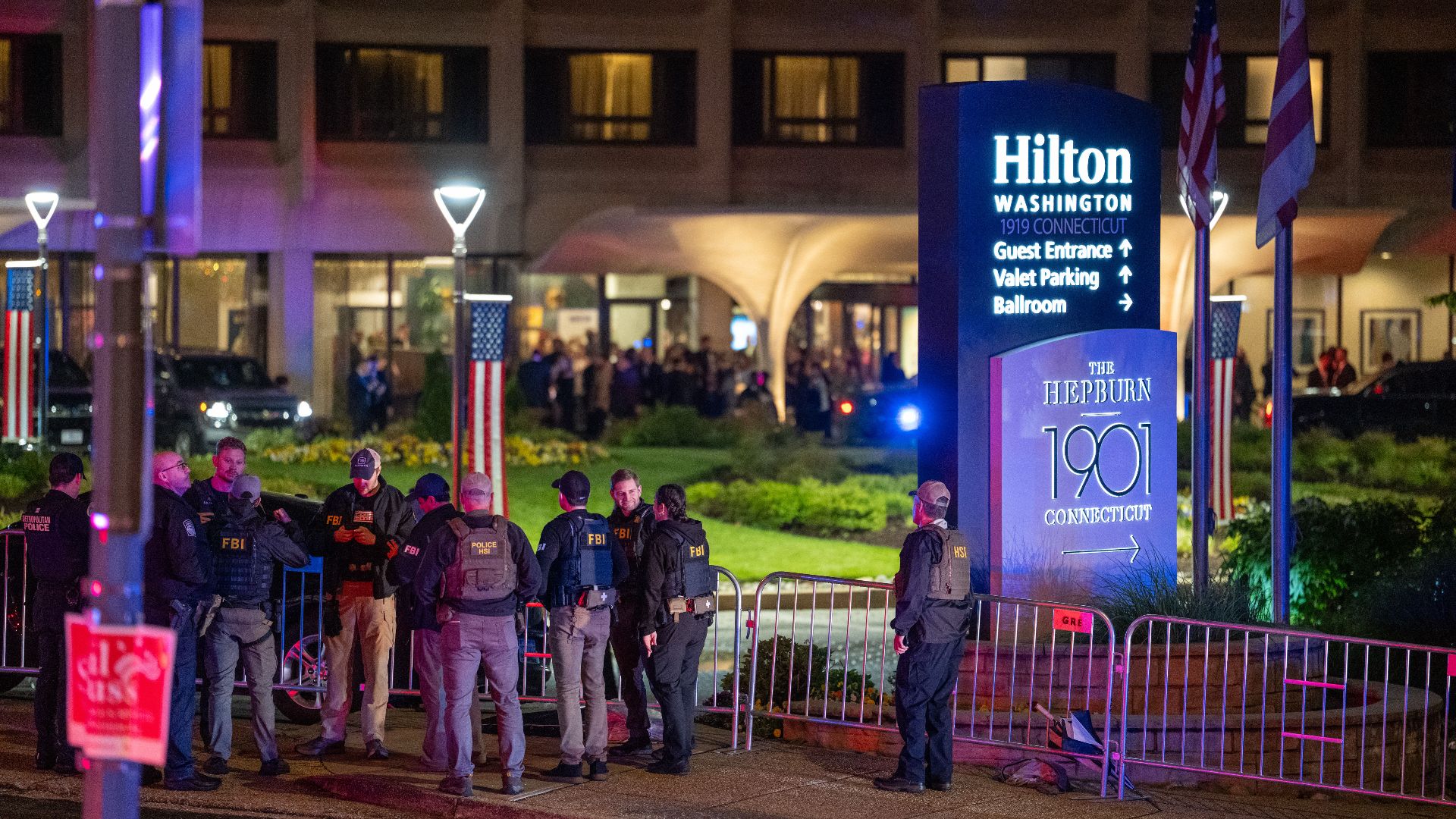
Systemic Failures Highlighted in Manifesto
The suspect outlined his claims in blunt terms, emphasizing what he viewed as systemic failures across multiple layers of the event’s organization. He wrote, “No damn security. Not in transport. Not in the hotel. Not in the event.” This repetition underscored his argument that vulnerabilities were not isolated to a single location but extended across the entire experience, from travel arrangements to accommodations and the venue itself.
These observations have fueled further scrutiny of event planning protocols, particularly regarding the allocation of security resources. Allen noted that the security at the event was focused on protestors and current arrivals, with little consideration given to someone checking in the day before.
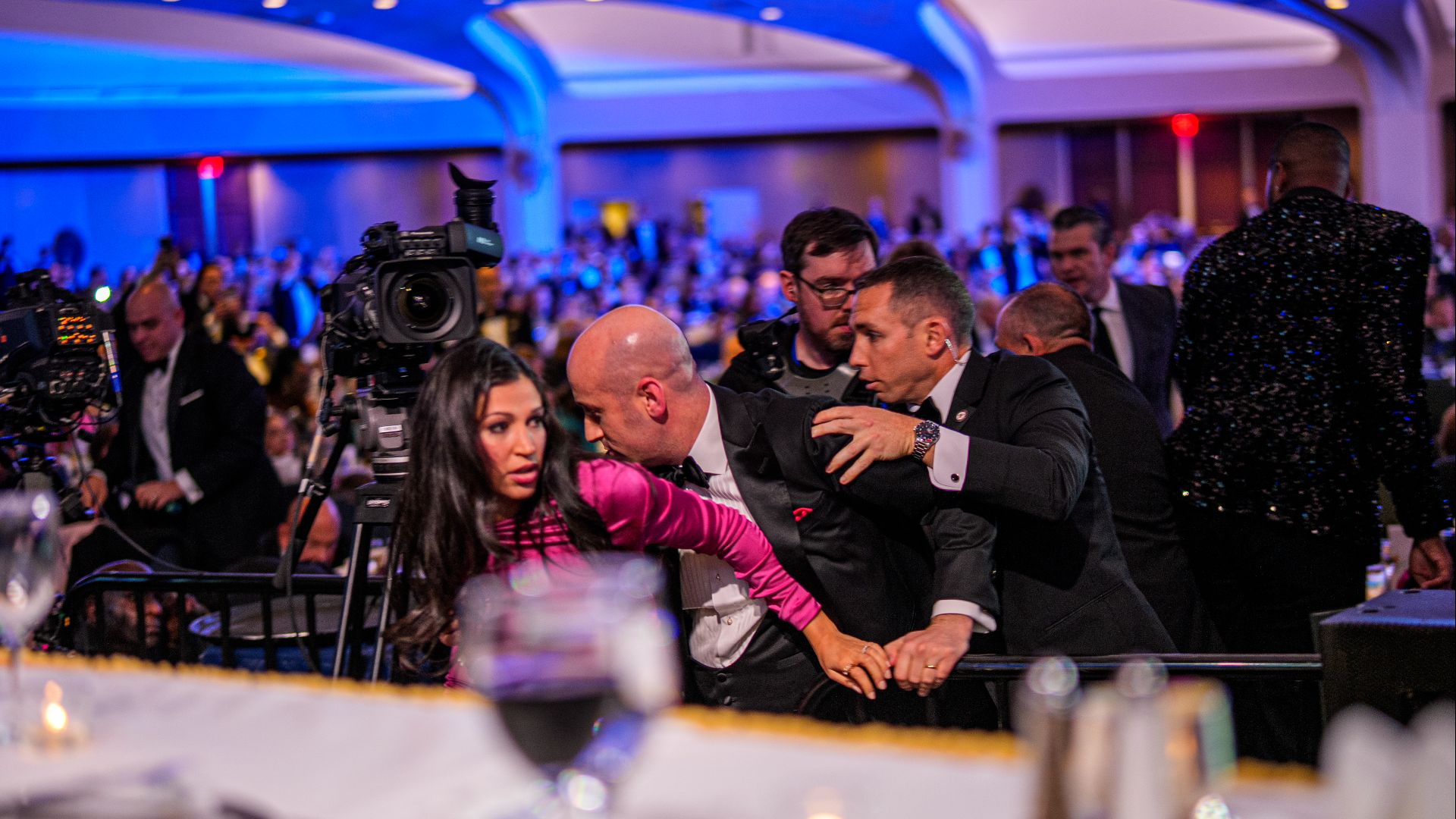
Broader Reflections on Institutional Preparedness
In a longer section of the manifesto, Allen described his experience entering the hotel and interacting with the environment leading up to the event. He wrote, “Like, the one thing that I immediately noticed walking into the hotel is the sense of arrogance. I walk in with multiple weapons and not a single person there considers the possibility that I could be a threat.”
He continued by criticizing the allocation of security resources, stating, “The security at the event is all outside, focused on protestors and current arrivals, because apparently no one thought about what happens if someone checks in the day before.” These reflections have intensified debate among security experts about the credibility of the claims and the broader implications for protecting high-profile political events.
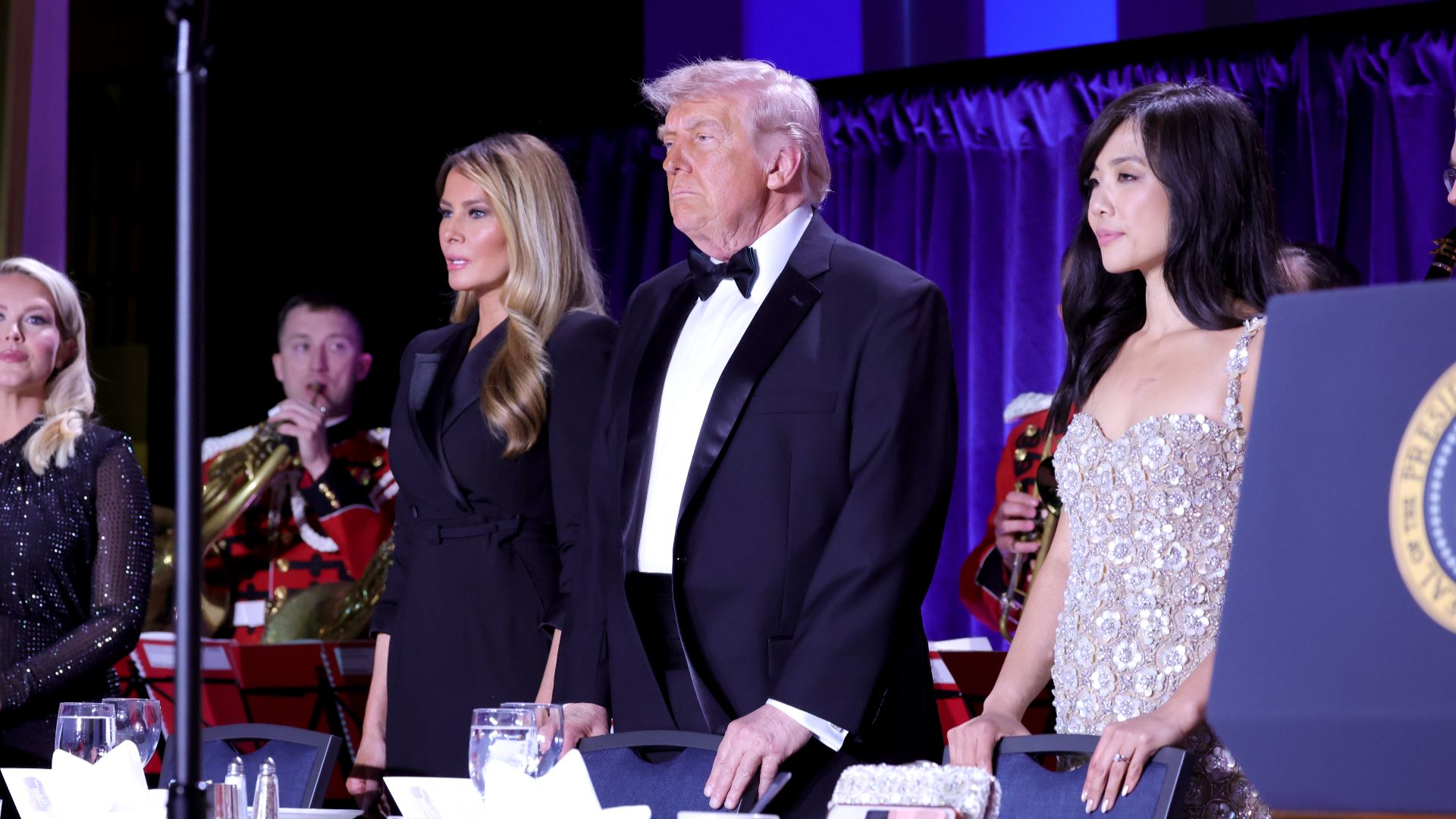
Ongoing Investigations and Public Discussion
The manifesto also included broader reflections on what the suspect characterized as a failure of institutional awareness and preparedness. He wrote, “Like, this level of incompetence is insane, and I very sincerely hope it’s corrected by the time this country gets actually competent leadership again.” In another passage, he added, “Like, if I was an Iranian agent, instead of an American citizen, I could have brought a damn Ma Deuce in here and no one would have noticed s–t. Actually insane.”
Officials have not publicly validated the suspect’s characterization of the security arrangements, and investigations into the incident remain ongoing. Law enforcement agencies, including the Secret Service, are reviewing the sequence of events and the protocols in place at the time of the attack. Meanwhile, the manifesto’s publication has contributed to a growing public discussion about security standards, risk assessment, and the challenges of safeguarding large-scale gatherings involving political leaders.
As authorities continue their inquiry, the claims outlined in the document remain a focal point in efforts to understand how the breach occurred.