
Understanding Ozempic Breath
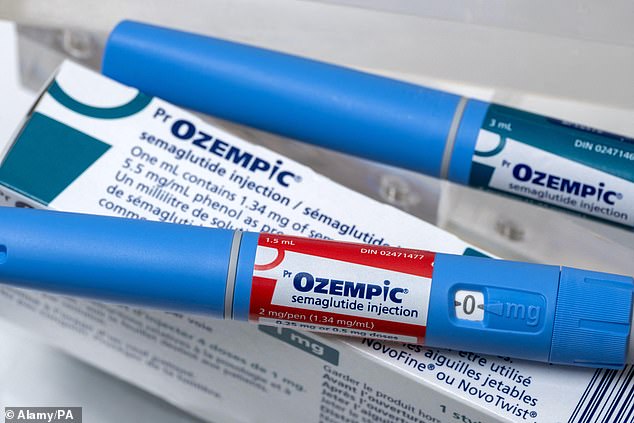
As individuals begin to celebrate their weight loss achievements on medications like Ozempic or Wegovy, they may unexpectedly face a new challenge: ‘Ozempic breath.’ This term refers to the fishy-smelling burps or persistent bad breath experienced by some users of semaglutide, the active ingredient in GLP-1 agonists such as Ozempic and Wegovy.
While not a clinical diagnosis, ‘Ozempic breath’ is becoming an increasingly reported side effect. Online health forums are filled with people who are currently taking GLP-1s and struggling with malodorous burps that can be off-putting to those nearby. One user shared, ‘It’s the burps for me. I’ve been on Ozempic for four months and the burping is unreal and super smelly.’ Another user said, ‘Every time I stand up, I’m burping up the most horrendous smelling burps so bad that they make me gag. It’s definitely one of the worst side effects of Ozempic. I have been trying everything I can, but luckily, I’m single, or I would just die!!’
With 31 million Americans reporting the use of a GLP-1 agonist, including Ozempic, Wegovy, Zepbound, or Mounjaro, at least once, experts note that concerns about this side effect have become more common. The latter medications contain a different active ingredient, tirzepatide, which acts on two satiety hormones, while semaglutide, the ingredient in Ozempic and Wegovy, acts only on the hormone GLP-1.

Despite the shorthand name, ‘Ozempic breath’ can result from any of these medications. The culprit is the digestive process that the drugs act on. Dr Blanka Orloff, an anti-aging medicine expert who prescribes and counsels patients on GLP-1s, explained to the Daily Mail that the first contributing factor would be the slowing down of the digestive metabolism and the passage through the digestive tract. Semaglutide and similar active ingredients slow down stomach emptying, allowing food to sit and ferment in the stomach, releasing foul gases that escape through the esophagus.
They often cause dry mouth by reducing saliva, which normally washes away odor-causing bacteria. ‘Some of these patients using these medications are not feeling hungry or thirsty, so they really have decreased fluid intake, and I think that contributes to their mouth drying out more than normal,’ Orloff said. ‘When you do drink less fluids, or if you have conditions you know that exacerbate dryness of the mouth, it will change the bacterial content in your mouth, and that can contribute to bad breath.’
Acid reflux also increases the presence of potentially harmful bacteria in the mouth and around the tongue. Dr Fatima Khan, a dentist and co-founder of Riven Oral Care in Texas, told the Daily Mail, ‘Due to the stomach acid exposure, the nasal passages and sinuses in return may react and produce excess mucus and lead to post-nasal drip, which will lead to bad breath. Sulfur-producing bacteria thrive on the surface of the tongue and in the back of the throat. These bacteria can break down proteins at high rates and release volatile sulfur compounds from the back of the tongue. This can result in a potent, rotten egg scent.’
Additionally, because the medications act on satiety hormones, users tend to eat less, which may cause reduced intake of vital nutrients. This may result in ketosis, which occurs when the body burns fat and fuel instead of carbohydrates. Ketosis produces ketones, compounds that the liver produces from fat when glucose (blood sugar) is scarce. One of these ketones, acetone, is released through the breath and carries a telltale sweet, fruity smell somewhat similar to nail polish remover.
While Ozempic breath can be embarrassing, it usually strikes people who have just increased their dosage and tends to go away as the body adjusts, and it can be fixed with simple lifestyle tweaks. Orloff said, ‘Improving flossing, brushing, using mouthwash, using gum and mints with xylitol, which naturally produces more saliva, also helps.’ ‘If these people improve their fluid intake, that may help,’ she added. ‘Eating smaller, more frequent meals may also help, because if the meal is smaller, there’ll be less food in the stomach to ferment.’
Slowed gastric emptying is also to be expected, but fatty, greasy foods like burgers, fries or pizza take significantly longer to digest than lean proteins, fruits and vegetables. When these heavy foods linger in the stomach for extended periods, they begin to partially break down and ferment, releasing sulfur-like gases that escape as foul-smelling burps.
Experts also suggest not eating within three to four hours before bed, as late-night snacking allows food particles to linger in the mouth and throat overnight. Saliva production naturally slows during sleep, so those particles are not washed away, giving bacteria hours to feed and multiply. By morning, that bacterial activity translates into noticeably worse breath. For GLP-1 users already dealing with slowed digestion and dry mouth, late-night eating can worsen the problem.