
Rising Sickness Absence in the UK
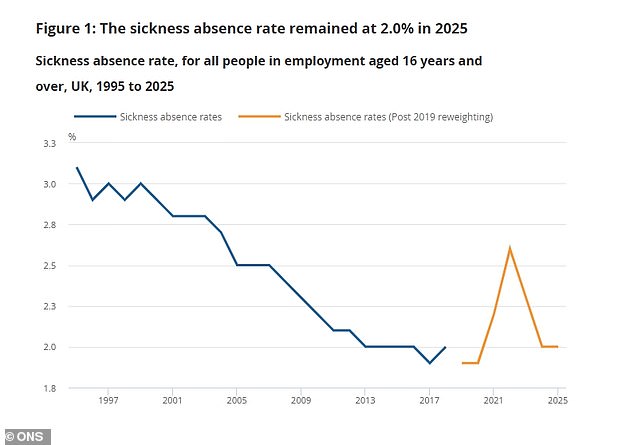
The United Kingdom has experienced a significant increase in sickness absence, with an estimated 148.8 million working days lost to illness in the last year, according to official statistics. This represents a rise of nearly 10 million days compared to pre-pandemic levels, highlighting a growing concern for employers and workers alike.
Experts suggest that this increase is linked to shifts in working patterns and attitudes towards taking time off following the pandemic. The Office for National Statistics (ONS) reported that the average worker took 4.4 sick days in 2025, which is slightly higher than before the pandemic.
Certain groups are more affected by sickness absence. Women, older employees, part-time workers, and those in the public sector have recorded the highest rates of absence. Additionally, individuals with long-term health conditions also face higher absenteeism.
Leading Causes of Absences
Minor illnesses such as coughs, colds, flu, nausea, and diarrhoea remain the primary cause of sickness absence, accounting for just over 30% of all cases. These common ailments can significantly impact productivity and workplace morale.
Regionally, Yorkshire and the Humber had the highest sickness rate at 2.4%, while London recorded the lowest at 1.5%. The public sector continues to experience higher absence rates compared to the private sector, with 2.9% of staff absent due to illness versus 1.7% in the private sector.

Challenges in Accurate Reporting
Despite these figures, experts warn that the true scale of ill health in the workplace may be underreported. Many employees continue to work while unwell, which can lead to further health complications and reduced productivity.
Asli Atay, a senior policy adviser at Lancaster University’s Work Foundation, noted that while the data suggests sickness absence has stabilised, research indicates that two-thirds of employees have gone to work sick and felt they should have taken time off. She emphasized the importance of ensuring workers have financial security to recover properly when they fall ill.
Under current regulations, employees must provide a ‘fit note’ if they are off work for more than seven consecutive days. These notes can be issued by GPs, nurses, pharmacists, and physiotherapists.
Statutory Sick Pay currently stands at £123.25 per week, payable for up to 28 weeks. However, this rate remains among the lowest in Europe, raising concerns about the adequacy of support for workers facing prolonged illness.
Impact on Workplace and Health Services
Brett Hill, head of health and protection at Broadstone, highlighted that absence levels remain “uncomfortably high.” He warned that long periods away from work can reduce the likelihood of a successful return and increase the risk of people leaving the workforce altogether. Pressure on NHS services is a key driver, with delays in GP appointments and treatment allowing conditions to worsen before people receive care.
Ruth Wilkinson, head of policy at the Institution of Occupational Safety and Health, stated that the loss of almost 149 million working days is a stark reminder of the challenges facing the UK workforce.
Separate data shows that more than 11 million sick notes were issued by NHS staff in England last year—more than double the 5.3 million recorded in 2015. Mental and behavioural disorders, including anxiety and depression, were the leading cause, accounting for over 900,000 notes.
These figures underscore the urgent need for improved support systems and better access to healthcare services to address the growing issue of sickness absence in the UK.