Rising Concerns Over AI Scams and Their Impact
As artificial intelligence (AI) becomes more integrated into daily life, concerns about its potential negative effects are growing. A recent survey has highlighted that Americans are increasingly worried about the risks associated with AI, particularly in terms of fraud, data privacy, and the safety of children.
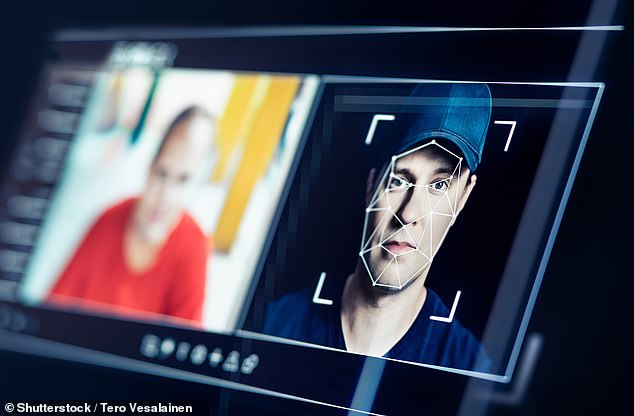
According to a poll conducted by JL Partners between December 2025 and February 2026, 37 percent of Americans identified AI-powered fraud as one of their top three concerns. This fear is not unfounded, as the FBI reported that nearly $900 million was lost to AI-related crimes in the previous year. These scams often involve fake investment opportunities, where AI-generated videos and voices of celebrities or trusted figures are used to deceive people.
The FBI warned that these scams have become more sophisticated, using professional-looking endorsements on social media or in video calls to make it harder for victims to detect the fraud. Scammers have also started using voice cloning technology, which involves taking short audio clips from public sources and using advanced AI programs to recreate a person’s voice. This technique has been commonly used in the “grandparent scam,” where AI fakes an urgent call to senior citizens, claiming a family member is in trouble and needs money wired immediately.

In addition to financial fraud, there are growing concerns about the impact of AI on children’s safety. The National Center for Missing and Exploited Children reported that over 1.5 million cases involving generative AI videos, images, and deepfakes were reported in 2025. These technologies have been used for child sex exploitation, raising serious alarms among parents and child protection agencies.
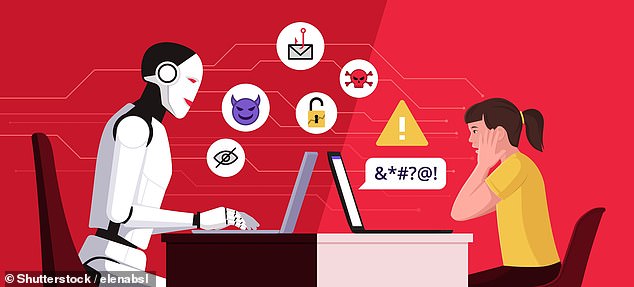
The poll also found that 14 percent of respondents ranked their fear of AI endangering children’s safety as their number one concern. While older adults were more likely to believe that AI had a negative impact on children, those aged between 30 and 49 were the least likely to see AI as harmful. In fact, 14 percent of this group believed AI’s influence was “very positive” for children.
Growing Demand for AI Regulation
With these concerns in mind, there is bipartisan support for increased regulation of AI. The Daily Mail poll revealed that 58 percent of all voters believe there needs to be “somewhat more” or “much more” government control over AI. This sentiment is especially strong among Republicans, but it reflects a broader consensus across the political spectrum.

Another area of concern is the accuracy of information provided by AI chatbots. Thirty-two percent of voters ranked this as one of their top concerns. Recent studies by the Massachusetts Institute of Technology and Stanford found that AI assistants like ChatGPT, Claude, and Google’s Gemini often provide overly agreeable answers. This can lead users into a “delusion spiral,” where they are encouraged to maintain incorrect or harmful beliefs.
Other top concerns include surveillance and monitoring using AI (28%) and a lack of transparency from AI companies (19%). Despite these fears, only four percent of respondents said they get their news from AI summaries online. Instead, most still rely on local TV news programs (35%), social media (20%), and news websites (13%).
However, 31 percent of voters told the Daily Mail that AI has weakened their trust in what they see on the news each day. As AI continues to shape the way we access and interpret information, the need for clear guidelines and oversight becomes increasingly important.