The Science of What Happens After Death
Neil deGrasse Tyson, one of America’s most renowned scientists, has shared his thoughts on what happens after we die. His insights reveal a fascinating perspective on the fate of our bodies and the energy they contain.
Tyson explained that when the heart and brain stop functioning, the human body still holds a significant amount of energy. This energy comes from the food we consumed over our lifetime, which is stored in the molecules that make up our bodies. According to the first law of thermodynamics, energy cannot be created or destroyed, only transformed. This principle underpins Tyson’s views on what happens after death.
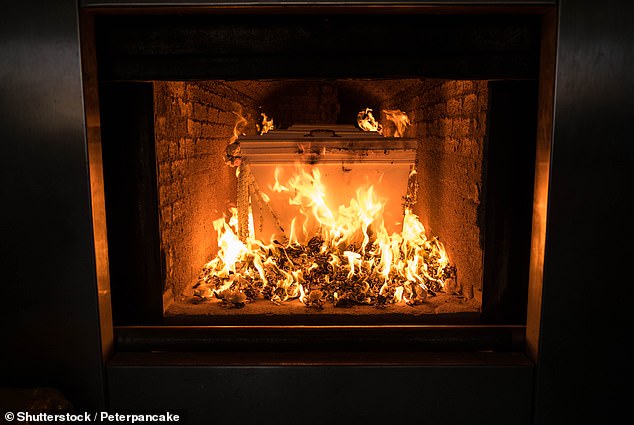
There are two primary ways this energy can be released: cremation or burial. Cremation involves burning the body, converting its remaining energy into heat. This heat then radiates into space as infrared energy. On the other hand, a traditional burial allows the body to decompose naturally, with microbes and bacteria breaking down the body’s organic matter. This process returns the energy back to the Earth, contributing to the natural cycle of life.
Tyson chose burial for himself, stating that he wants his energy to be absorbed by the Earth. He believes that by decomposing, the energy in his body will be used by microbes, plants, and animals, continuing the cycle of life. This approach aligns with the idea of giving back to the Earth, much like how humans have always relied on nature for sustenance.
However, Tyson also acknowledged that cremation is not wasteful. He explained that the heat produced during cremation does not remain on Earth. Instead, it radiates into space, potentially reaching other planets within our galaxy. For example, if someone was cremated four years ago, their radiant energy would have reached Alpha Centauri, the nearest star system.
This concept highlights how our energy continues to exist in different forms even after death. It’s a reminder that we are all part of the universe, connected through the energy that once sustained us.
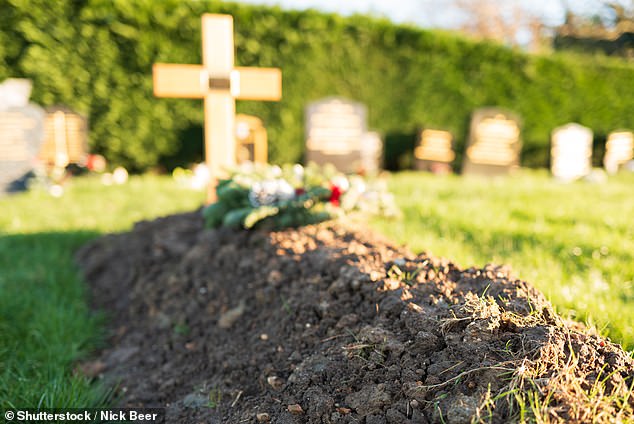
The scientific principles behind these processes are rooted in the laws of thermodynamics. The first law, as mentioned earlier, states that energy cannot be created or destroyed. When a person dies, the chemical energy stored in their body transforms either through decomposition or cremation. In a natural burial, bacteria, fungi, and other microbes break down the body’s proteins, fats, and carbohydrates. This process converts most of the original chemical energy into heat, which warms the soil. A small portion of the remains becomes new chemical energy stored in the microbes, which is then passed up the food chain to more complex plants and animals.
Tyson’s comments have sparked widespread interest and discussion. His views on death have been viewed over a million times, leading to public conversations about how people want their remains handled. Some of his followers disagree with his choice of burial, preferring cremation. One person remarked, “I will return to the stars,” while another said, “That travelling to Alpha Centauri at the speed of light sounds much more romantic and appealing than being eaten by bugs.”
Others argue that being eaten by bugs and microbes allows the particles of our bodies to be recycled on Earth, becoming a useful resource for future generations. One commenter noted, “One day you’ll be a tiny but functional part of billions of creatures and plants.”
Some responses to the StarTalk YouTube channel pointed out that modern coffins might hinder the natural decomposition process. They suggested opting for a ‘green burial,’ where remains are placed directly in the ground without embalming chemicals, metal caskets, or concrete vaults. Families or burial grounds often plant a tree above the grave. As the body decomposes, it releases nutrients such as nitrogen, phosphorus, and potassium into the soil, providing essential elements for the growth of the tree.