The Rise and Fall of LIV Golf and Saudi Arabia’s Sports Washing Strategy
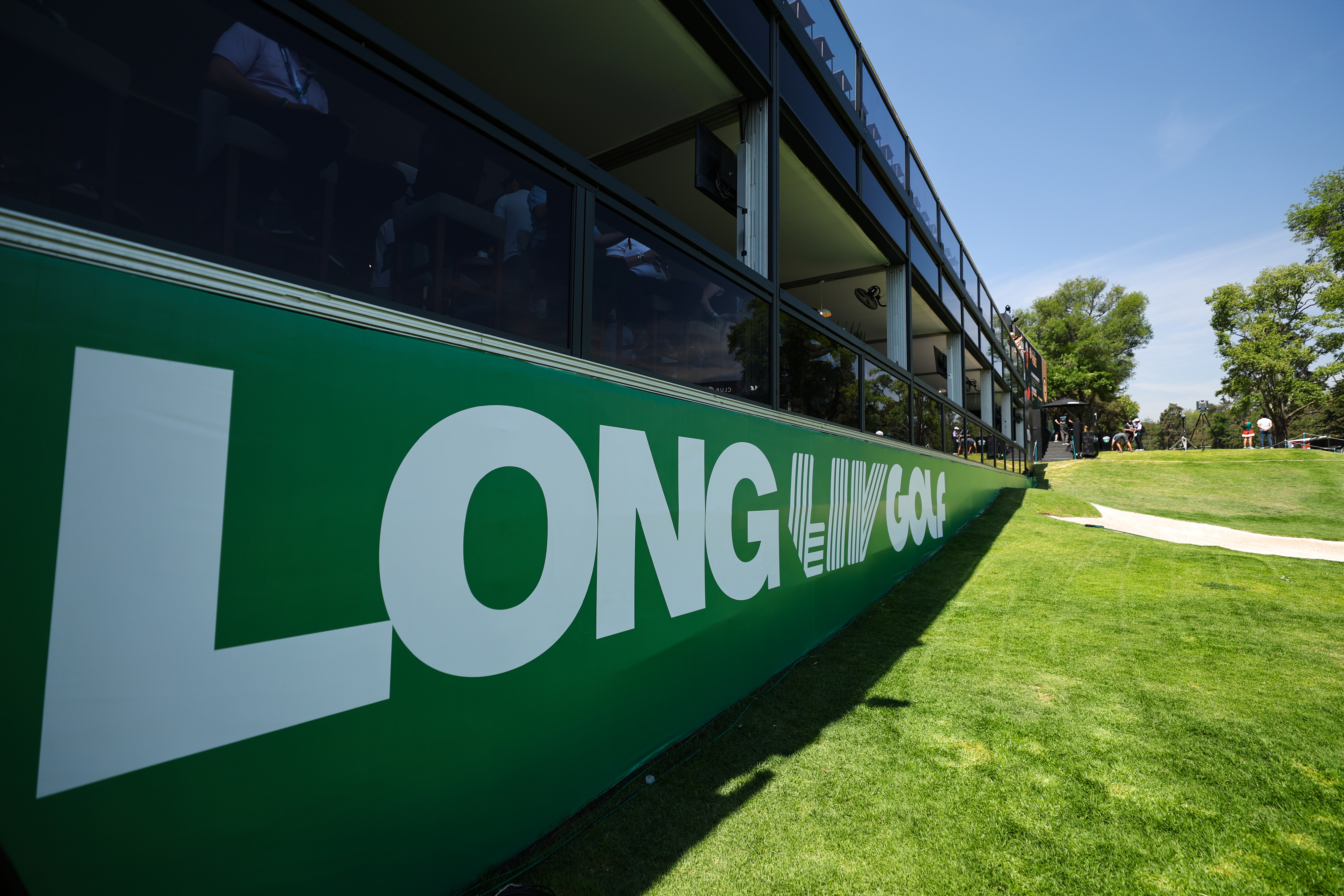
As the future of LIV Golf becomes uncertain, the concept of “sports washing” has resurfaced in public discourse. This term refers to the practice of using sports to divert attention from a country’s human rights issues or other controversial actions. While it may sound like a casual phrase, it highlights a serious issue where nations attempt to rebrand themselves through sporting events and sponsorships.
Sports have long been intertwined with politics and diplomacy. They serve as a powerful tool for national pride and unity, often bringing people together across cultural and political divides. However, when used strategically by regimes, they can also be a means of misdirection. Justine Nolan, director of Australia’s Human Rights Institute, explains that “sport is not in its own vacuum forever, but it’s one of those things that brings the world together.”
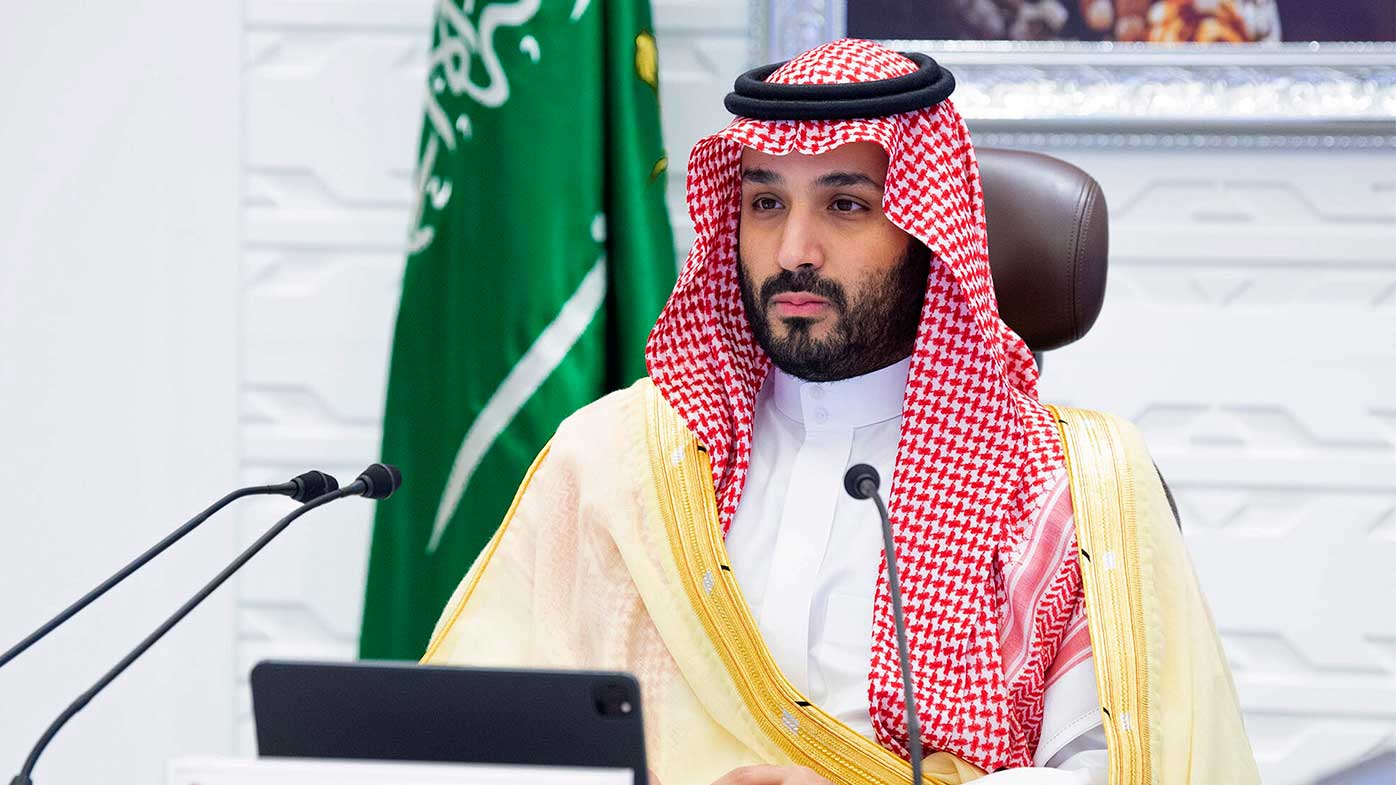
The Saudi Public Investment Fund (PIF), led by Crown Prince Mohammed bin Salman (MBS), has been at the center of this debate. Since his appointment in 2017, MBS has transformed Saudi Arabia into a global player, particularly in the world of sports. The PIF, valued at $1.6 trillion, has invested heavily in various sporting ventures, including LIV Golf, which was seen as a flagship project to boost the country’s international image.
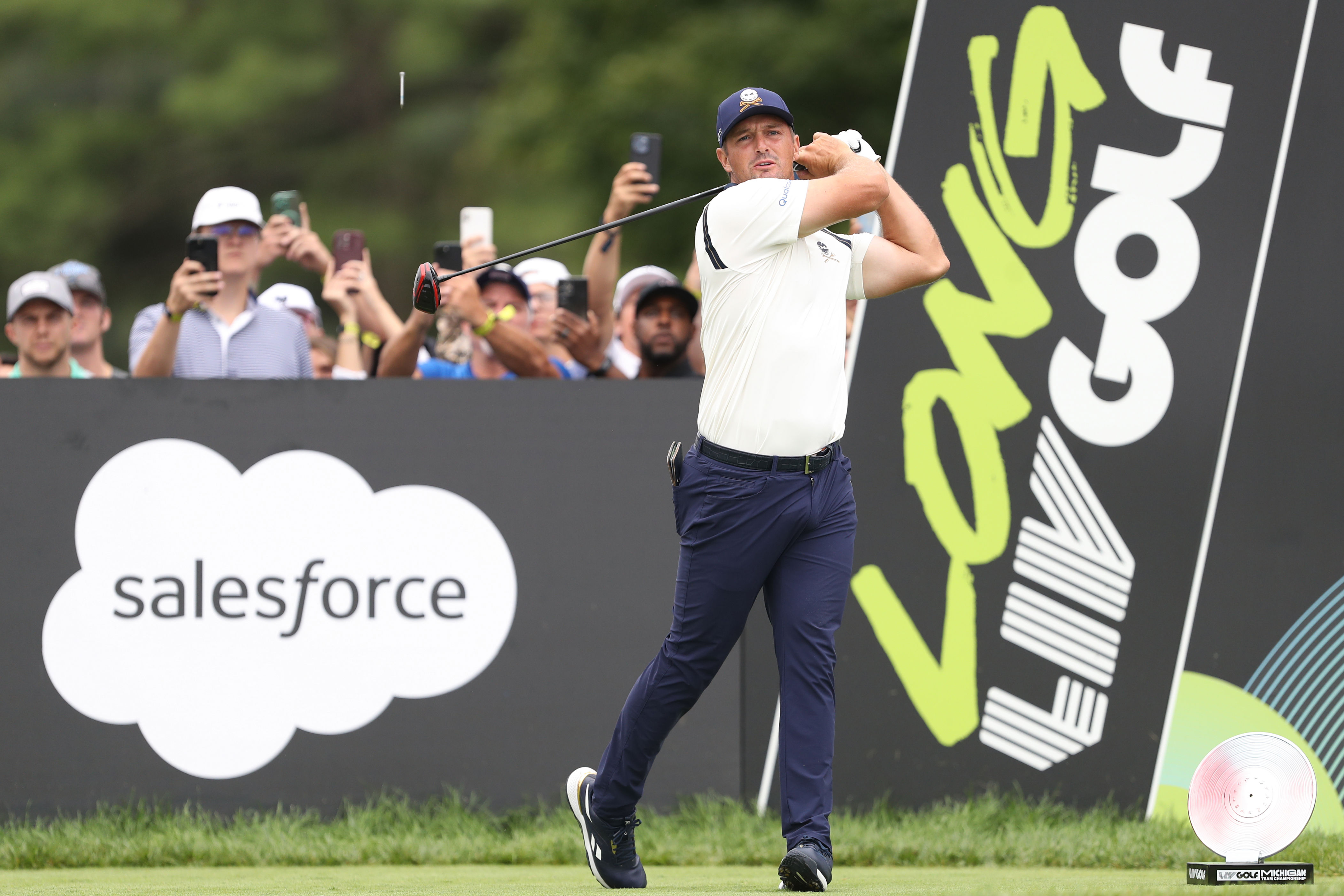
However, recent developments suggest that the kingdom is reassessing its strategy. Reports indicate that Saudi Arabia has decided to pull its funding from LIV Golf beyond 2026. This move comes amid growing scrutiny over the country’s human rights record and concerns about the commercial viability of the league. According to Nolan, “LIV Golf was the flagship and it has lost nearly a billion dollars since it started.”
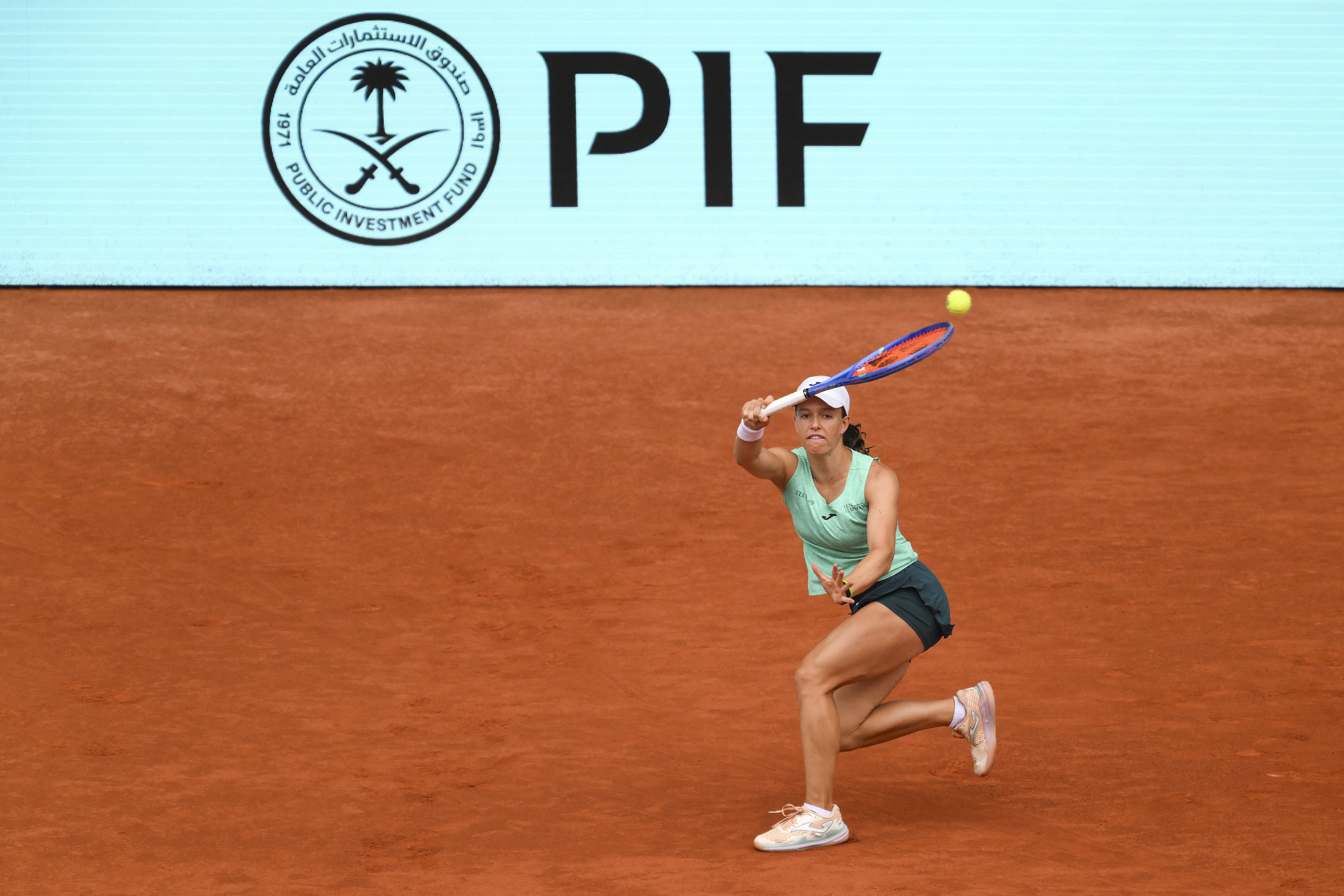
This decision reflects a broader shift in the PIF’s approach. The fund’s latest prospectus outlines a focus on internal investment, financial returns, and private sector participation. As the PIF’s influence extends beyond golf, other sports and teams connected to the fund could also face changes. Clubs like Al-Hilal and Al-Nassr, which are controlled by the PIF, may see their fortunes change as investments are redirected.
The Impact on Other Sports and Events
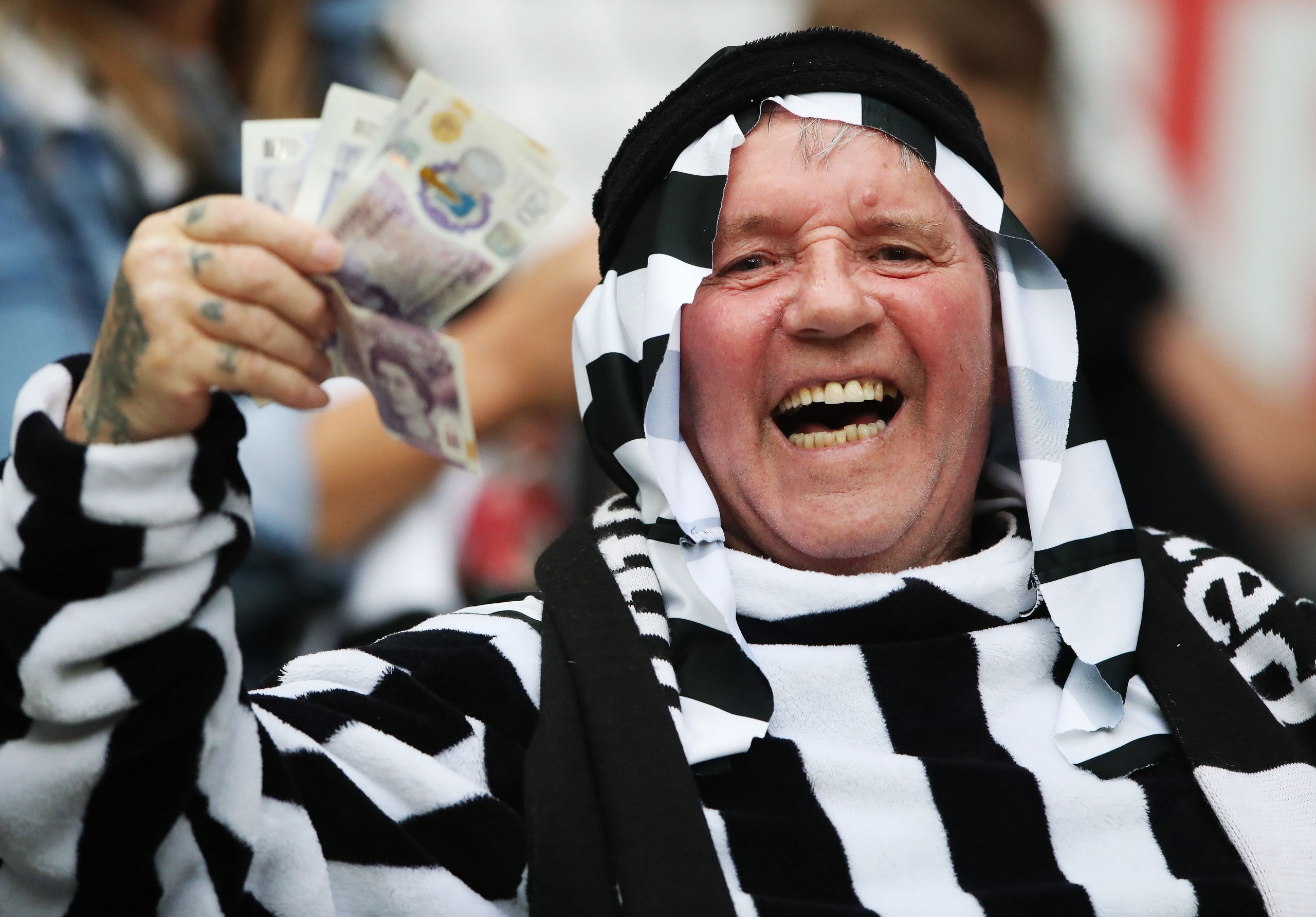
The PIF’s involvement in sports is not limited to golf. Its ownership stake in Formula 1, through Aramco, has drawn attention, especially after Houthi rebels bombed an Aramco base near a Formula 1 track in 2022. Similarly, the acquisition of Newcastle United, once struggling financially, has seen the club rise to prominence, winning the Carabao Cup in 2025. Yet, even this success may be affected by the PIF’s recalibration of its investments.
Women’s tennis has also felt the impact, with the WTA Finals set to leave Riyadh in 2026. Jules Boykoff, a professor at Pacific University, notes that “Saudi Arabia’s recent adjustments to its sports washing efforts mark more of a rational recalibration than an abrupt pivot.” He points to a focus on football ahead of the 2034 World Cup and an emphasis on combat sports like boxing and mixed martial arts.
The Role of the FIFA World Cup
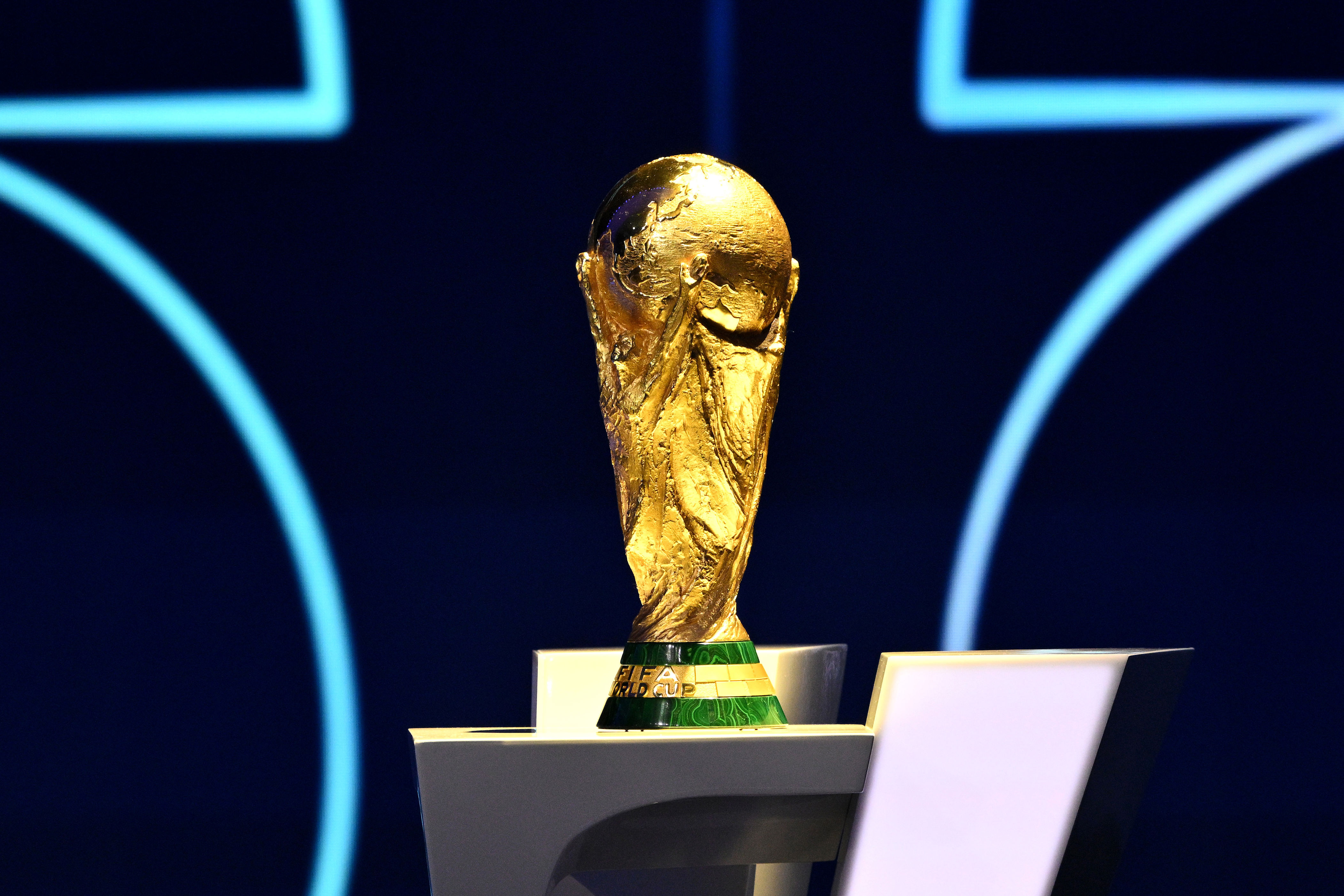
The FIFA World Cup has historically been a focal point for discussions around sports washing. When Qatar hosted the 2022 tournament, the world turned its attention to the nation’s human rights record. Nolan comments that “the huge investment they made actually backfired by drawing unwanted negative attention to their own human rights record.”
She compares the situation to a duck paddling furiously under water, suggesting that while the surface may appear calm, the underlying issues remain. “Sports washing is basically trying to say ‘just look at the sport, ignore everything that’s underneath it.’ But it’s important to look at the whole picture,” she adds.
A Global Perspective
While the spotlight often falls on countries like Russia, Qatar, and Saudi Arabia, Boykoff argues that sports washing is not exclusive to these nations. “It’s easy to waggle a finger at countries like Russia, Qatar, and Saudi Arabia while ignoring the sports washing that happened in places like the United States under Donald Trump.”
He emphasizes that domestic audiences are just as important as international ones when it comes to the effectiveness of sports washing. For MBS, sports have been a way to keep the local population satisfied and attract talented expats back to the kingdom.
What Comes Next?
If the Saudis do pull the plug on LIV Golf and other global sports ventures, where does the money go? Nolan suggests that the PIF may be recalibrating its priorities due to ongoing conflicts and economic challenges. “It could be strategic priorities that have probably shifted due to the ongoing war and you know it would also be impacting their oil exports etc.”
Ultimately, the LIV Golf experiment serves as a cautionary tale for regimes looking to use sports as a means of rebranding. “Their approach, which was to distract and use sports to move people away from examining their human rights record, has not been successful,” Nolan concludes.
Long LIV Golf has become a little more “LIV and let die.”