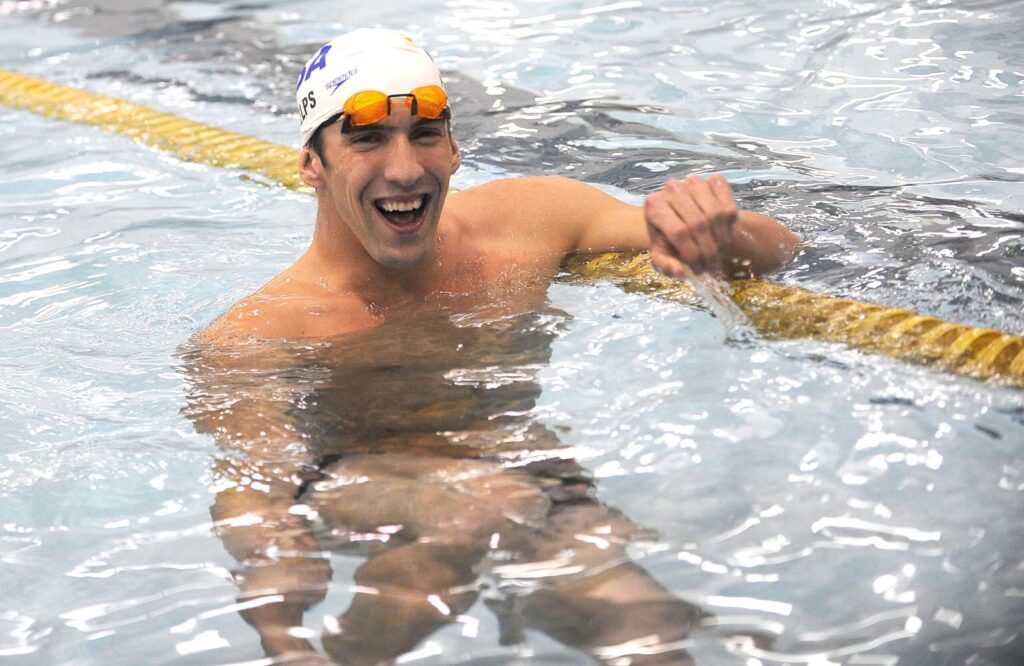
The Swimming Legend: Michael Phelps
Michael Phelps, the 28-time Olympic medalist and American swimming icon, is widely regarded as the greatest swimmer of all time. His remarkable achievements have earned him numerous accolades, including being named the “Fittest Man of All Time” by Men’s Health magazine in 2012.
Phelps was naturally gifted with a physique that was ideal for swimming. His height, wingspan, and unique physical attributes gave him a distinct advantage over his competitors. According to Science ABC, his body produces less lactic acid than most athletes, which significantly reduces recovery time and allows for more intense training sessions.
Physical Attributes That Set Him Apart
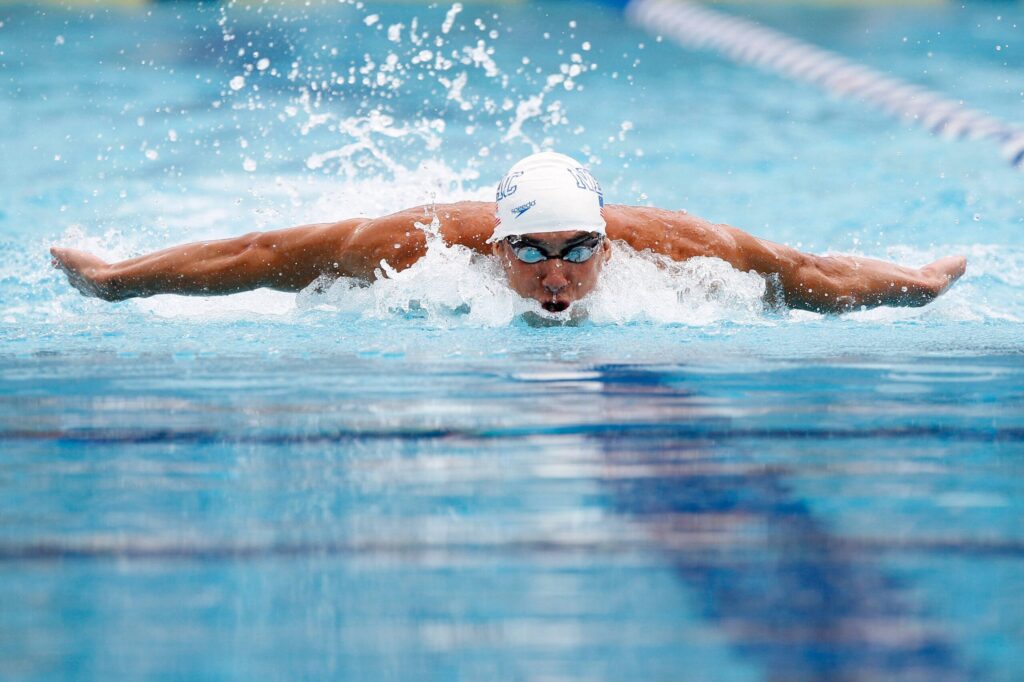
Standing at 6’4”, Phelps has a height that is common among elite swimmers. However, what truly sets him apart is his impressive wingspan of 6’7”. This unusual feature allows him to generate more power with each stroke, making him highly efficient in the water.
His long arms provide greater reach, enabling him to cover more distance with each movement. In contrast, his lower body is only 5’10” long, which helps reduce drag in the water. This combination of physical traits gives him a competitive edge that few others can match.
Another key factor in Phelps’ success is his highly flexible ankles. These flexible joints act like natural flippers, propelling him forward with greater speed and efficiency. Additionally, his ability to produce less lactic acid means he can train for longer periods without experiencing the same level of fatigue as other athletes.
Training and Diet: A Strict Regimen
While natural talent plays a role in an athlete’s success, discipline and hard work are equally important. Phelps maintained a rigorous training schedule and a strict diet throughout his career.
According to Science ABC, during his peak training years, Phelps consumed between 8,000 to 10,000 calories per day. This is nearly four to five times the average intake for a normal person. His high-calorie diet was essential to fuel his intense workouts in both the gym and the pool.
Phelps’ massive appetite allowed him to burn off those calories through continuous training, ensuring he maintained his ideal weight and physical condition. His dedication to both training and nutrition was a crucial part of his success.
Advocacy for Mental Health
After retiring from competitive swimming in August 2016, Phelps has become a strong advocate for mental health. He has used his platform to raise awareness about the importance of mental well-being, particularly among athletes.
His efforts have helped many athletes navigate the challenges of competition and transition into life after sports. In recognition of his contributions, Phelps received the Muhammad Ali Legacy Award from Sports Illustrated.
Through the Michael Phelps Foundation, he continues to support Olympians in managing stress and maintaining their mental strength. His advocacy has made a significant impact on the sports community and beyond.
Conclusion
Michael Phelps’ journey from a young swimmer to an Olympic legend is a testament to his dedication, talent, and resilience. His unique physical attributes, combined with a disciplined lifestyle, set the stage for his extraordinary achievements.
Beyond his athletic accomplishments, Phelps has used his influence to promote mental health and inspire others. His legacy extends far beyond the pool, making him a true icon in the world of sports.