A Discovery Beneath the Waves
The sonar ping came during a routine drill. The crew of a Swedish submarine rescue ship was training in the Baltic Sea in late 2025 when the signal returned something no one expected: a wooden ship lying on the seafloor, intact after more than four centuries. This discovery, announced by the County Administrative Board of Kalmar County, is a warship from the late 1500s. It now ranks among the oldest vessel finds in the Kalmar Strait, the narrow channel between Sweden’s southeastern mainland and the island of Öland.
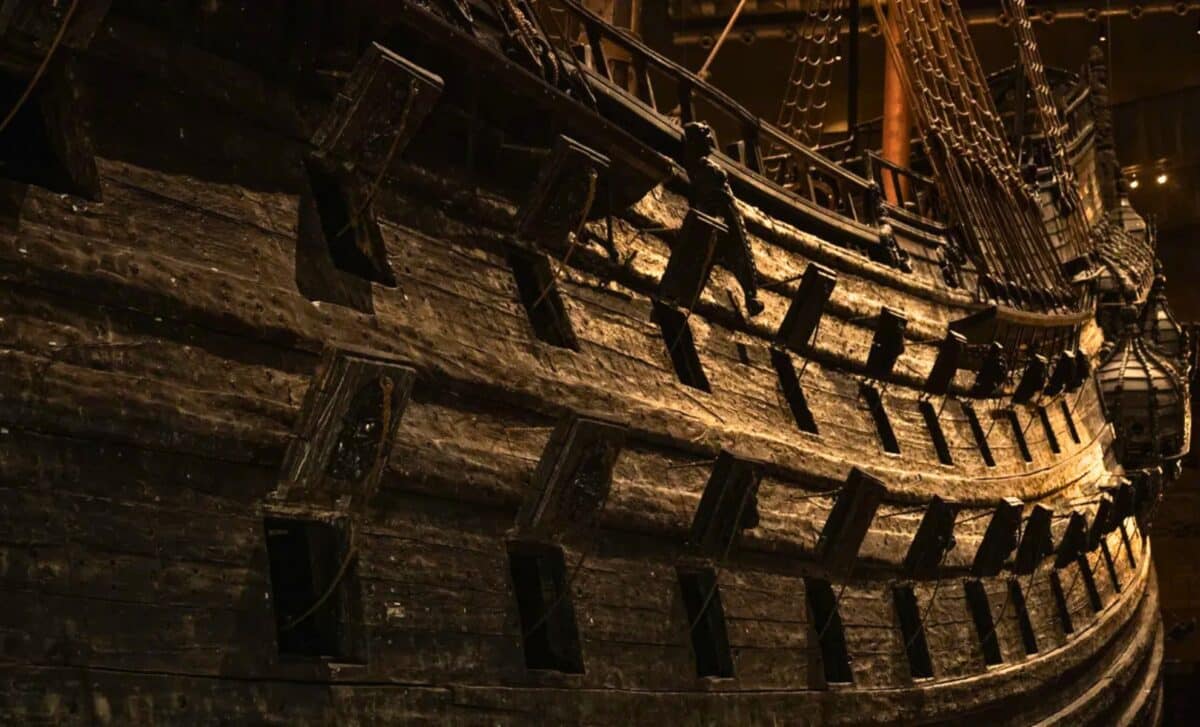
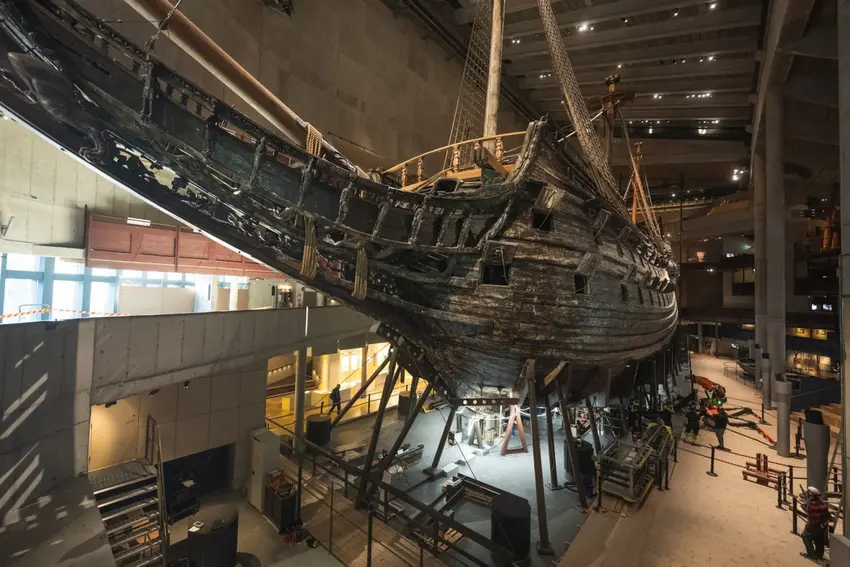
Timber analysis has already placed its construction before the 17th century, making it older than the Vasa, the Swedish warship that sank in 1628 and later became one of the country’s most visited museum pieces.
A Training Mission Turns Into a Discovery
The HMS Belos, assigned to the First Submarine Flotilla, was running sonar, remotely operated vehicles, and dive drills when the wreck appeared on screens. The crew pivoted from exercise to investigation without altering their core methods.
“For the navy and HMS Belos, these types of operations and exercises are valuable because multiple parts of the ship’s crew get to train when different types of resources are used, such as sonars, remotely operated vehicles, and divers,” said Sofia Löveborn, communications chief for the First Submarine Flotilla. In the county board’s announcement, she noted the approach matched what crews would execute during a submarine rescue, salvage, or infrastructure inspection.
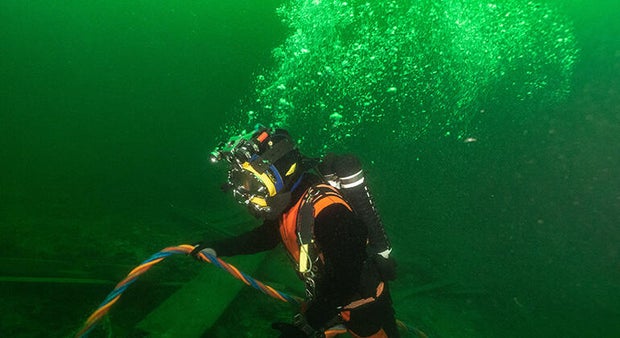
Naval officers contacted the county board and the Kalmar County Museum immediately. The Coast Guard took over site monitoring as the assessment launched.
The Sea That Preserves What It Swallows
The Baltic does not rot wood the way other seas do. Its water is brackish, its depths cold and stripped of oxygen. Shipworms, the organisms that chew through timber elsewhere, cannot live there. Hulls settle into the silt and stay largely whole.
That chemistry keeps giving up finds. In February, a Swedish naval wreck near Stockholm surfaced from the water after levels dropped. The year before, divers located champagne and wine stashes on a Baltic wreck, which the government quickly restricted. Another expedition recovered a weapons chest and armor fragments. The ship uncovered by HMS Belos now joins that constellation.
Timber Tells Its Age
Dendrochronology on samples from the hull delivered the timeline. The tree ring patterns trace the wood to the closing decades of the 1500s. No ship name has surfaced yet.
“The data gathered so far from the wreck shows that it contains unique historical and archaeological information,” said Lars Einarsson, a maritime archaeologist at the Kalmar County Museum. Daniel Tedenlind, an antiquarian with the county board, described the cultural historical value as high. The board has commissioned a protection and management plan from the museum, drawn up with the Armed Forces and the Belos crew. That document will determine how the site is safeguarded going forward.
Guarded by Law, Watched Around the Clock
Authorities secured the site without delay. The wreck now sits in the national cultural heritage register as an ancient monument. The county board issued regulations that ban anchoring, diving, and fishing at the location. The Swedish Coast Guard runs patrols while documentation continues.
No one has discussed raising the ship. The Vasa was hauled up in a celebrated multi-year project during the 1960s. Most Baltic wrecks remain on the seabed, preserved in place as underwater archaeological sites.
A Legacy in the Depths
The Kalmar Strait has carried military and commercial traffic for centuries. This find thickens the maritime archaeology record of those waters. Researchers expect further study to clarify shipbuilding methods, trade routes, or naval deployments from a time when Sweden was tightening its hold on the Baltic.
For now, the vessel lies unnamed in the dark, under coast guard watch, waiting for the plan that will define its long-term care.