The UK’s Vulnerability to Antibiotic Supply Chains
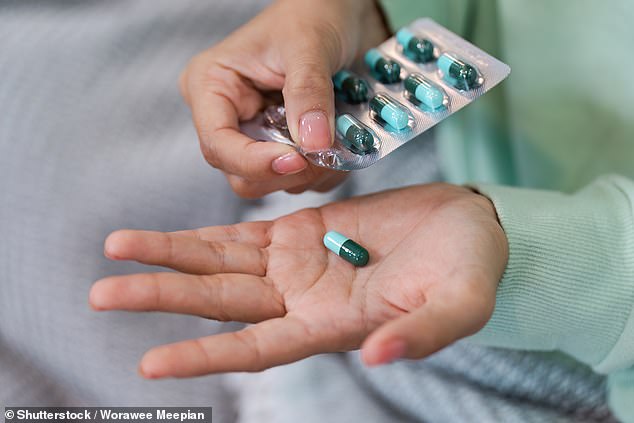
The United Kingdom faces a significant risk of being cut off from essential antibiotics due to its heavy reliance on China for the ingredients used in these life-saving medications. A recent report has highlighted what experts describe as a “potentially catastrophic” dependency, raising concerns about the security of healthcare systems across the Western world.
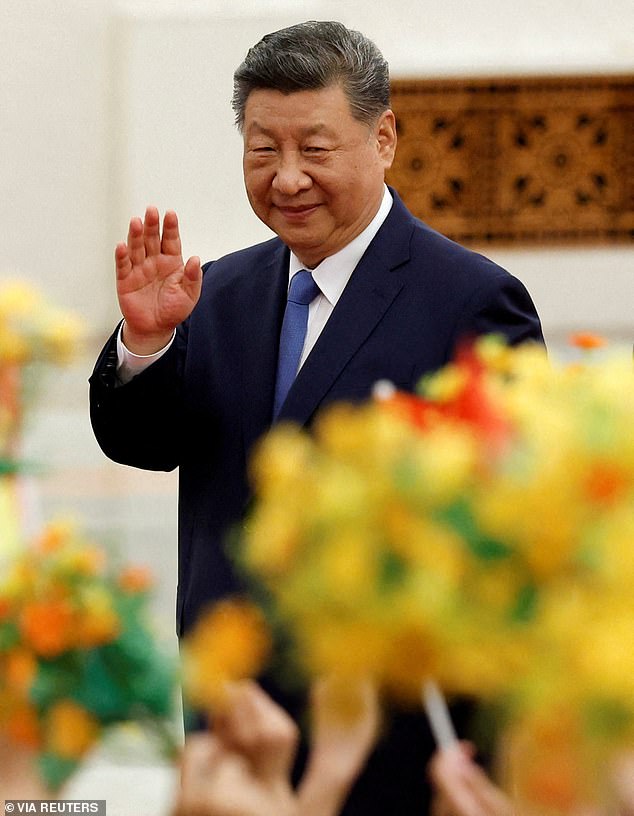
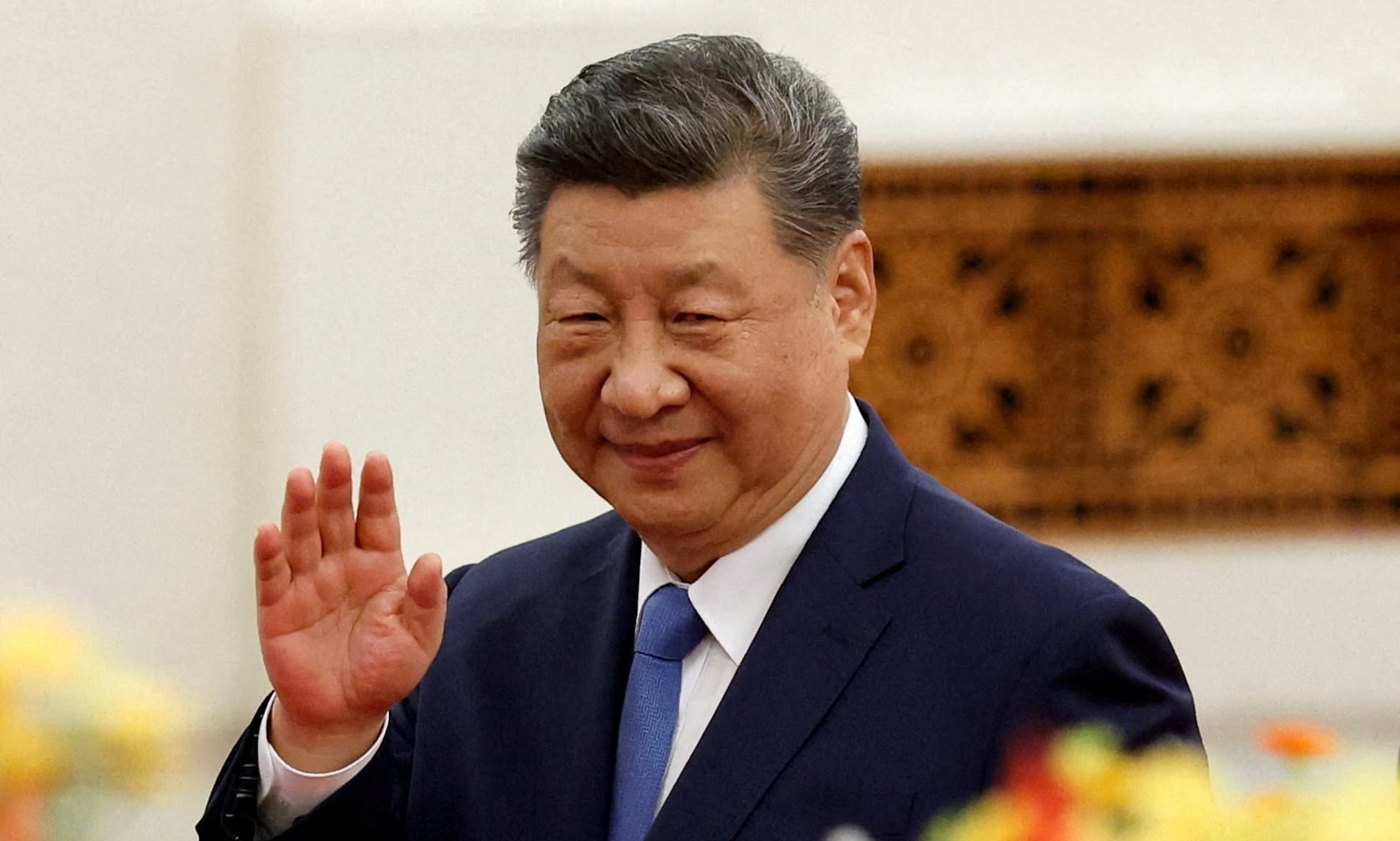
China is responsible for producing up to 90% of the ingredients used in antibiotics, making it a critical player in the global pharmaceutical supply chain. This level of control could allow Beijing to restrict access to these vital medicines at any time, potentially affecting both the National Health Service (NHS) and the UK Armed Forces. While the UK and the United States source most of their antibiotics from India, the situation is even more concerning because India itself relies on China for 91.5% of its antibiotic ingredients.
This concentration of production power exposes the US and Europe to the geopolitical decisions of the Chinese Communist Party. In the event of a military conflict, this could result in an immediate severance of medical supplies to Western forces and hospitals. Additionally, China could implement a “health blockade” outside of war by pressuring India’s supply chain, which would quickly lead to shortages of essential medications in the UK, Europe, and America.
Political Warnings and Concerns
In the report’s foreword, Labour MP for North Durham, Luke Akehurst, warns that industrial failures in China, sudden export restrictions, or a deterioration in relations between China and the UK could “paralyze the healthcare of Britain and its allies and partners across the Euro-Atlantic area within just a few weeks.” Shadow home affairs minister Alicia Kearns adds that “we now face a reality where a single contamination event or geopolitical decision in a foreign and potentially hostile state could trigger catastrophic shortages across the United Kingdom.”
Andrew Rechenberg, the report’s author and an economist specializing in pharmaceutical supply chains, emphasizes that China’s control over antibiotics is not just an economic issue but a “direct health security and national security vulnerability for the United States, Britain, and Europe.” He notes that when so much of the world depends on a small number of upstream plants and firms, even a single disruption can have widespread consequences.
Key Suppliers and Global Dependencies
The top four Chinese suppliers of antibiotics ingredients—North China Pharma, Sinobright Pharma, MS, and Centrient Pharmaceuticals—account for 54% of India’s imports, highlighting the extent of global dependence on a limited number of companies. Furthermore, only seven sites manufacturing the compound that creates penicillin are based in China, creating a severe “chokepoint” in the global penicillin supply chain.
China’s dominance in the market has also led to sustained price suppression, which has driven Western manufacturers out of the antibiotics production market. Since 1992, subsidized Chinese fermentation producers have reduced the prices of antibiotics ingredients by approximately 80%, significantly lowering the profit margins of Western equivalents. As a result, only one penicillin production facility remains operational in Austria.
Calls for Action and Policy Recommendations
The report calls for Western governments to take proactive steps to address these vulnerabilities. It recommends introducing financial incentives to boost antibiotic manufacturing capabilities outside of India and China. Additionally, tariff-rate quotas are suggested to counter the low-cost prices of antibiotics produced abroad.
Another key recommendation is to integrate antibiotic supply-chain security into NATO’s “readiness” planning. This would ensure that the alliance is better prepared to handle potential disruptions in the global pharmaceutical supply chain.