
A Mother’s Struggle with Kratom Addiction
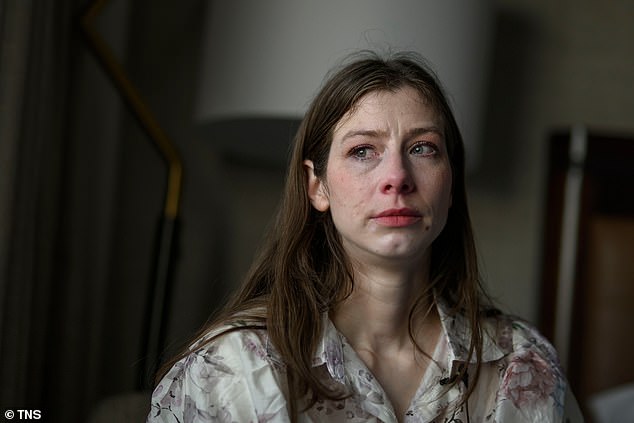
Melanie Clark, a 35-year-old opera singer and mother of three, found herself in a dangerous situation after turning to a convenience store drink to cope with postpartum depression. What began as a way to regain focus and energy quickly spiraled into an intense addiction that took over her life.
After the birth of her second child in 2022, Clark described experiencing what she called “postpartum fog.” She started drinking Feel Free, a drink containing kratom, an unregulated substance derived from a plant native to Southeast Asia. Marketed as a natural botanical drink, it promised renewed focus and energy. However, Clark was unaware of its opioid-like effects and addictive potential.
What initially seemed like a harmless solution soon became a daily necessity. Within just three weeks, she was hooked on the drink, which is legal and sold in convenience stores. Clark told the Detroit News that she would reach for a bottle every day, and the habit only intensified over time. She explained, “Soon it’s every few days, and then it’s one every day, and you know, it just kind of escalated from there.”
The withdrawal symptoms were severe. She described feeling “immediate, horrific depression” and physical discomfort, including a racing heartbeat and exhaustion. The drug had taken control of her life, making it difficult for her to function normally.

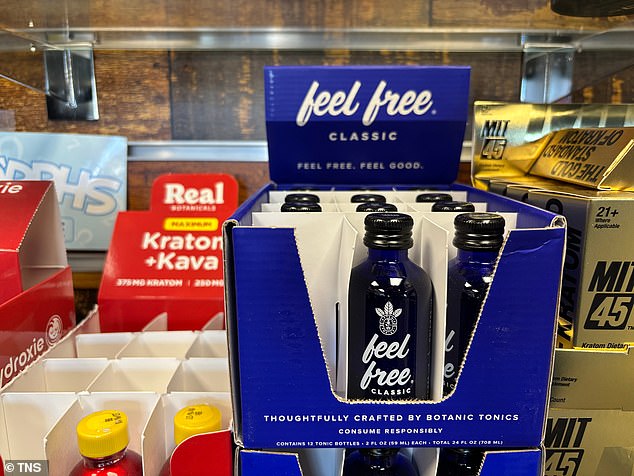
Clark first encountered the drink through its marketing as a “healthy, natural botanical drink.” Although the taste was unpleasant, she was initially impressed by its effects. “It just made me feel like superwoman in terms of energy, focus,” she said. “It just turned my brain into something different.”
Her addiction led to multiple relapses, and when she tried rehab, she found that most programs lacked the resources to address kratom addiction. She eventually moved in with her parents and managed to stay clean during her pregnancy and the birth of her third son in December 2024. However, this period also triggered another bout of postpartum depression, leading her to seek out a more potent form of the drug known as 7-OH.
This derivative came in tablet form and was cheaper than the original drink. Clark described how quickly she became dependent on it, saying, “You take the half a tab, and that’s strong and potent and everything. But it doesn’t take long until you need to take one tab. And then you’re taking multiple tabs a day.” She added, “That stuff, really, that was harder on my body than anything else.”
To escape the grip of the drug, Clark and her husband moved to Indiana, where kratom is banned. It was there that she attempted to quit cold turkey. The withdrawal was extreme, causing her to lose sight of reality and even consider ending her life. She gained 24 pounds in a day due to water retention, and her health deteriorated rapidly.

Her mother, Dottie Case, described the severity of Clark’s condition: “She got dangerously sick when trying to rehab. I’m not exaggerating when I say she almost died several times last year.” Case warned that “this stuff will enslave and kill you before you even know that there’s a problem.”
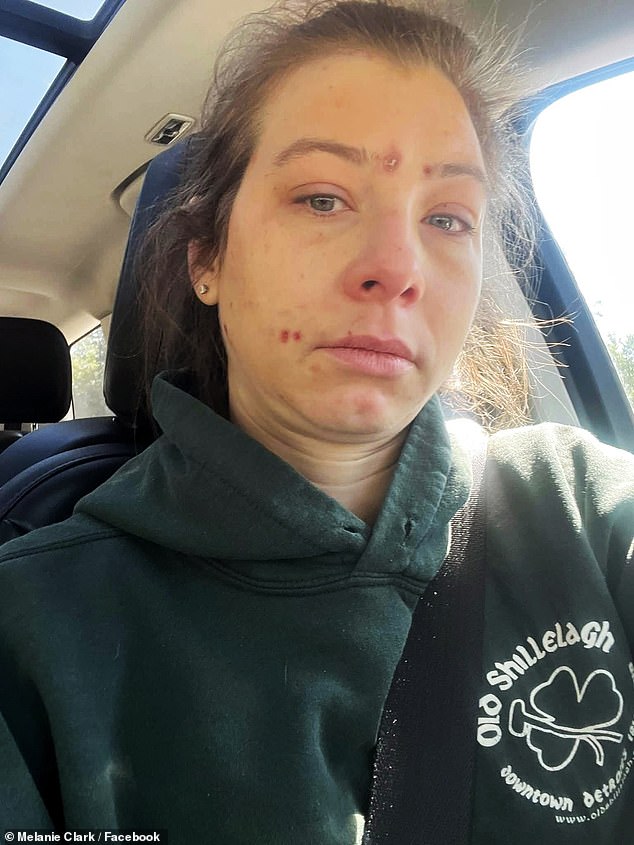
Kratom caused significant damage to Clark’s kidneys, heart, and skin, leaving her looking “like a meth addict.” She admitted, “I felt like a ghost of myself. When you are embarrassed to show your face to the guy at Wild Bill’s, you know that’s a rough spot to be in.”
The situation reached a breaking point when her husband, Kieron, called the police after fearing for her safety. Clark fled barefoot into a field, hiding as if she were on a TV show. She was later involuntarily committed to the psychiatric wing of the University of Michigan Hospital and enrolled in an outpatient program.
After another relapse, she was placed on suboxone, an opiate replacement used to help people wean off drugs during withdrawal. Now, Clark is advocating for kratom to be banned, stating, “I don’t really feel safe going off of that medication until kratom is banned, because I can’t take any risks.”
The drink is produced by Botanic Tonics, an Oklahoma-based company. Their website warns that the product is not intended for everyone and discourages use by those with a history of substance abuse, minors, pregnant or nursing women, or individuals sensitive to its ingredients.
Despite these warnings, the accessibility of kratom continues to pose a serious risk to users. Clark’s story serves as a cautionary tale about the dangers of unregulated substances and the importance of awareness and regulation.