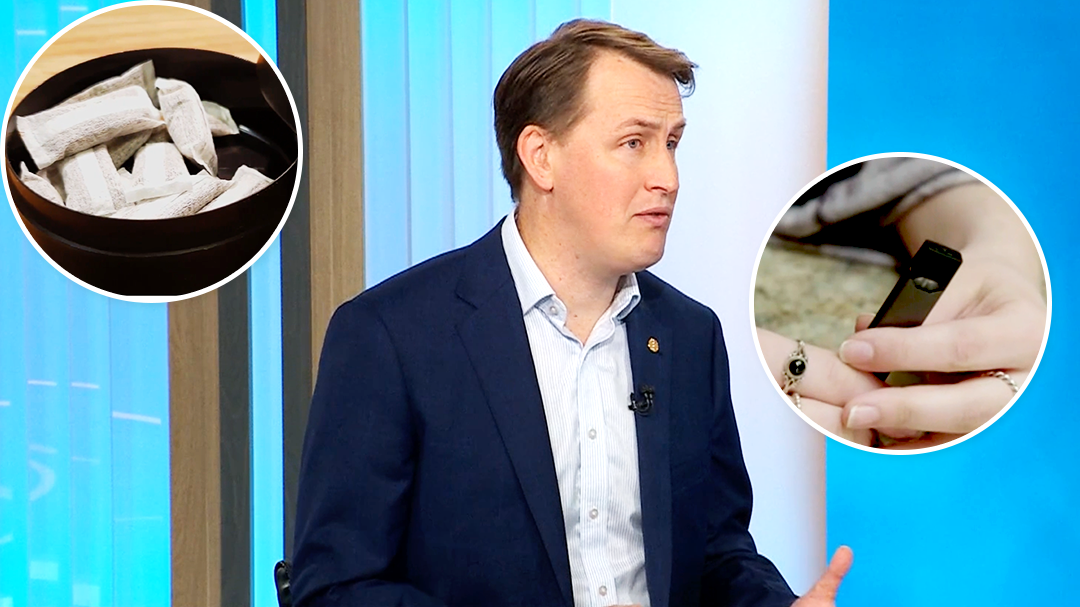

Health experts are raising concerns about the increasing availability of nicotine pouches, highlighting their potential risks to public health. These products are being marketed with branding that appeals to young people and are easily accessible online, leading to fears that they could lead to similar health issues as vaping.
The Australian Medical Association (AMA) has called for stricter regulations to close the gaps that allow unapproved nicotine products to enter the market. They argue that these products are being sold online with minimal barriers, despite not having any approved therapeutic use in Australia.
Associate Professor Julian Rait, Vice President of the AMA, emphasized that nicotine pouches are being marketed in ways that attract younger audiences. He pointed out that a non-industry study found that nicotine absorption from pouches containing 30 mg of nicotine was comparable to that from one cigarette, with some pouches containing up to 150 mg of nicotine.
“Regulators must not wait until the use of nicotine pouches becomes entrenched in Australia,” said Rait.
He also highlighted the potential health effects of these products, including mouth and gum irritation, upset stomachs, nausea, and high blood pressure.
Currently, there are no approved nicotine pouches on the Australian Register of Therapeutic Goods (ARTG), meaning none should be available through regular channels. The AMA supports the Therapeutic Goods Administration’s proposed changes, which aim to prevent access to unapproved nicotine pouches through existing pathways such as access schemes and personal importation arrangements.
The association noted that the rapid growth in sales of these unregulated products has exposed flaws in the government’s regulations and enforcement of synthetic nicotine.
“Without stronger, technology-neutral rules and consistent national enforcement, suppliers will continue to exploit grey areas,” Rait said.
He added that stronger safeguards are needed, including effective online compliance and takedown processes, clear and consistent health warnings, child-resistant packaging, and better monitoring of adverse events and poisoning presentations to inform ongoing regulatory action.

The call for tighter regulations comes at a time when new laws have come into effect in Britain, banning children aged 17 and under from ever legally purchasing cigarettes in their lifetime. British ministers have also gained significant new powers to regulate the flavours, packaging, and display of vaping and nicotine products to make them less appealing to minors.
In addition to these developments, there is a growing need for consumers to stay informed about the latest health-related news and updates. With the rise of nicotine pouches and other nicotine products, it is essential for individuals to be aware of the potential risks and to make informed decisions about their health.
For those interested in staying updated, there are various platforms where they can access breaking news and exclusive stories. Downloading mobile applications from Apple and Google Play can help users stay connected to the latest information. By following relevant sources and signing up for newsletters, individuals can ensure they never miss important updates.
It is crucial for both the public and policymakers to remain vigilant about the evolving landscape of nicotine products and to support measures that protect public health. As the debate over regulation continues, the focus should remain on safeguarding the well-being of all Australians, particularly the younger generation.