
A New Approach to Supporting Autistic Students
In recent years, there has been a growing debate about how best to support autistic students in educational settings. One prominent voice in this conversation is Sarah Wild, the head of Limpsfield Grange School, the UK’s only school exclusively for autistic girls. She has raised concerns that some educators are making life too easy for these students, potentially hindering their ability to cope with the challenges of adulthood.
Wild argues that while it is important to provide necessary accommodations, there should be a stronger focus on preparing autistic students for real-world scenarios. This includes teaching them how to handle discomfort and unpredictability, which are inevitable parts of adult life. She emphasizes that the goal should be to help students develop resilience rather than relying on constant support.
One of the key issues she highlights is the use of ear defenders in classrooms. While these devices can be beneficial for some students, Wild believes they may create barriers to communication and social interaction. At Limpsfield Grange, the use of ear defenders is personalized, with no blanket policy in place. This approach aims to ensure that students learn to manage their sensory needs without becoming overly reliant on such tools.
Another point of contention is the relaxation of school uniform policies for some autistic students. Wild argues that this can be counterproductive, as it may not prepare them for the expectations of mainstream environments. Instead, she advocates for teaching students how to navigate and adapt to different situations, rather than shielding them from them.
Addressing the Growing Demand for Special Needs Support
The discussion around supporting autistic students comes at a time when special needs funding is under increasing pressure. In February, ministers revealed that spending on special needs will continue to rise over the next decade, despite reforms aimed at bringing costs under control. The Labour Party’s schools white paper highlighted that costs will keep increasing for several years before returning to current levels by 2035.
This trend is partly due to the rising number of children receiving Education, Health and Care Plans (EHCPs), which provide legal rights to specialist care. Since 2014, the number of children with EHCPs has doubled. While increased awareness of autism and other conditions is often cited as a reason for this rise, some experts suggest there may be an issue with overdiagnosis.
Under new plans, only the most severely affected pupils will be eligible for EHCPs, with others receiving support at the school level. However, Wild has expressed concerns about certain adjustments made in mainstream schools, such as leniency regarding school uniforms. She believes that these changes may not be in the best interest of students’ long-term development.
Focusing on Wellbeing and Independence
At Limpsfield Grange, a unique curriculum called WACI (Wellbeing, Achievement, Communication and Independence) is used to support students. This approach emphasizes not just academic success but also the development of essential life skills. Wild believes that measuring success solely through academic performance is limiting and does not reflect the diverse needs of autistic students.
She also supports reasonable adjustments, such as allowing students early access to the dinner hall to reduce sensory overload during lunchtime. However, she draws a clear line between helpful accommodations and shielding students from challenging subjects, which can lead to increased stress.
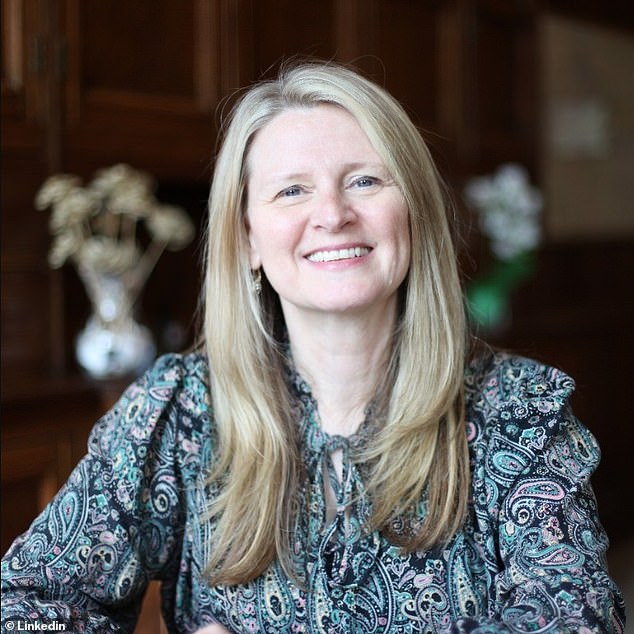
Limpsfield Grange, rated ‘outstanding’ by Ofsted, is highly sought after, offering both day and boarding options. With 30 years of teaching experience, including 14 years as headteacher, Wild remains committed to her mission of preparing students for the future.

Understanding Autism in Girls
Recent studies have shown that the prevalence of autism has increased significantly over the past three decades. While boys are more likely to be diagnosed in childhood, girls tend to catch up during adolescence, with diagnostic rates leveling out by the age of 20. Experts believe these findings highlight the importance of recognizing and addressing autism in women, who have historically been underdiagnosed.
Wild emphasizes the need for a shift in how success is measured for autistic girls, advocating for a more holistic approach that values wellbeing and independence alongside academic achievement. By focusing on these areas, educators can better prepare students for the challenges they will face beyond the classroom.