The Evolving Landscape of the Global Smartphone Market
The competition for the top position in the global smartphone market has seen a dramatic shift, with Samsung reclaiming its leading role in early 2026. This development highlights the intense rivalry among major players and the evolving dynamics of the industry.
Samsung Regains Its Lead
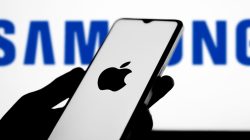
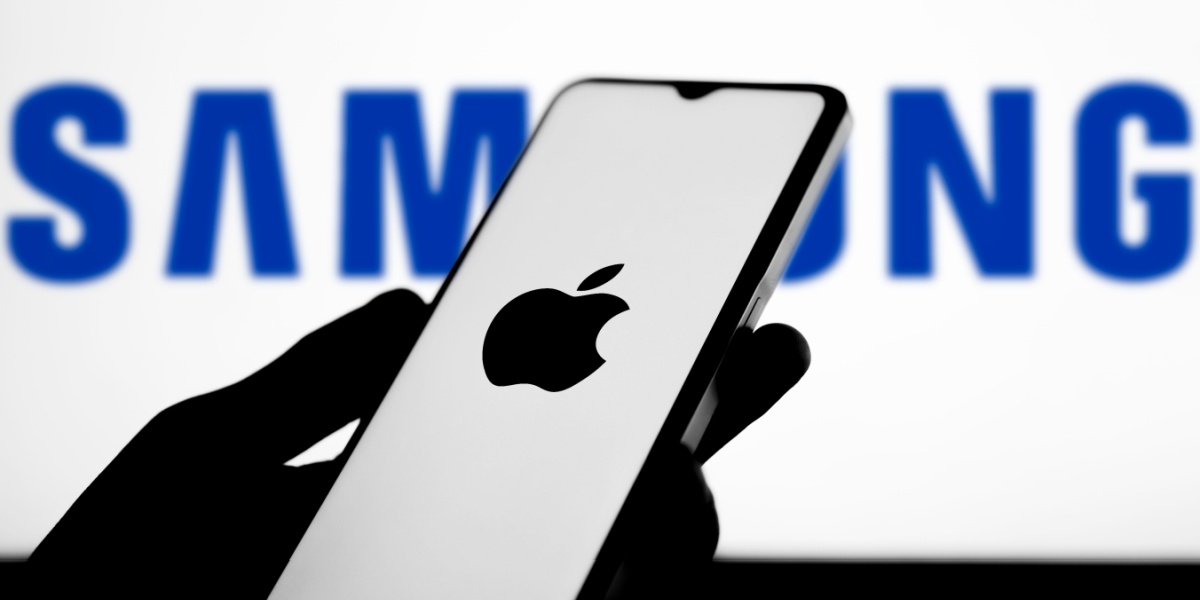
Recent data from Omdia, as reported by SamMobile, reveals that Samsung shipped 65.4 million smartphones during the first quarter of 2026. This performance secured the company a 22 percent global market share, marking an increase compared to the previous year. Samsung’s return to the top spot surpasses Apple, which briefly held the lead in 2025.
This resurgence is not just a matter of timing but also reflects a stronger flagship product cycle than in previous years. The Galaxy S26 lineup, launched earlier this year, has become a key driver of Samsung’s sales strategy.
Flagship Momentum
The Galaxy S26 series has been particularly successful, with the Ultra variant capturing significant consumer interest despite its premium price point. This suggests that demand for high-end features, combined with incremental improvements and strong brand loyalty, is helping to counteract broader market fatigue.
Compared to the Galaxy S25 cycle, the initial performance of the S26 series indicates a more refined approach to high-end smartphone strategy. Early signs point to improved sales and customer satisfaction, which could further solidify Samsung’s position in the market.
Apple Remains Close Behind
Apple continues to be a formidable competitor, with 60.4 million iPhones shipped in the same period, maintaining a 20 percent market share. While this is slightly higher than the previous year, it was not enough to overtake Samsung.
The narrow gap between Samsung and Apple underscores the competitive nature of the upper-tier smartphone market. Both companies are continuously innovating and adapting their strategies to maintain their positions.
Market Instability Below the Top
Looking beyond the top two, the market shows signs of instability. Xiaomi, OPPO, and Vivo have all experienced year-on-year shipment declines, even though they remain within the top vendors. This trend highlights the challenges faced by mid-tier brands in a market that is becoming increasingly saturated.
Overall industry growth was limited to just 1 percent compared to Q1 2025, indicating that the smartphone market is beginning to plateau. This stagnation presents new challenges for manufacturers looking to sustain growth and profitability.
Future Challenges and Outlook
Omdia predicts that conditions will continue to tighten in the coming months, with rising memory chip costs posing a potential threat to both profitability and future shipments. These factors could impact the ability of manufacturers to innovate and meet consumer demand.
As the market evolves, companies will need to focus on strategic investments, cost management, and product differentiation to remain competitive. The coming quarters will be crucial in determining the long-term direction of the smartphone industry.