The Evolution of Classical Music in the Modern World
In February, actor Timothée Chalamet made a comment during an interview that sparked a significant conversation about classical music. He stated, “I don’t want to be working in ballet or opera, or you know, things where it’s like, ‘Hey, keep this thing alive,’ even though it’s like, no-one cares about this anymore.” His remarks went viral and reignited the debate on whether art forms like classical music are dying.
However, the online response was largely in favor of classical arts, with many people defending their significance. At ABC Classic, polling Australian audiences about their favorite classical music over 25 years has shown strong engagement with the artform. Every year, hundreds of thousands of votes are cast for music ranging from core classical repertoire to favorite music from the screen.
Voting has now opened in the ABC Classic 100: Greatest of All Time. As Australians vote for the greatest classical music of all time, we look at who is listening, how classical music is evolving, and how it fills the world around us, whether we realize it or not.
Recent data from two of Australia’s most well-known arts companies, Opera Australia and The Australian Ballet, showed significant operating losses. Reports from Live Performance Australia also indicated declines in audience attendance. However, the same year saw audiences for live contemporary music at an all-time high.
Dr Megan Burslem, a musicologist and presenter of ABC Classic Breakfast, believes that focusing on profitability can be a damaging narrative. “Something doesn’t need to be financially profitable in order for it to have meaning and value,” she says.
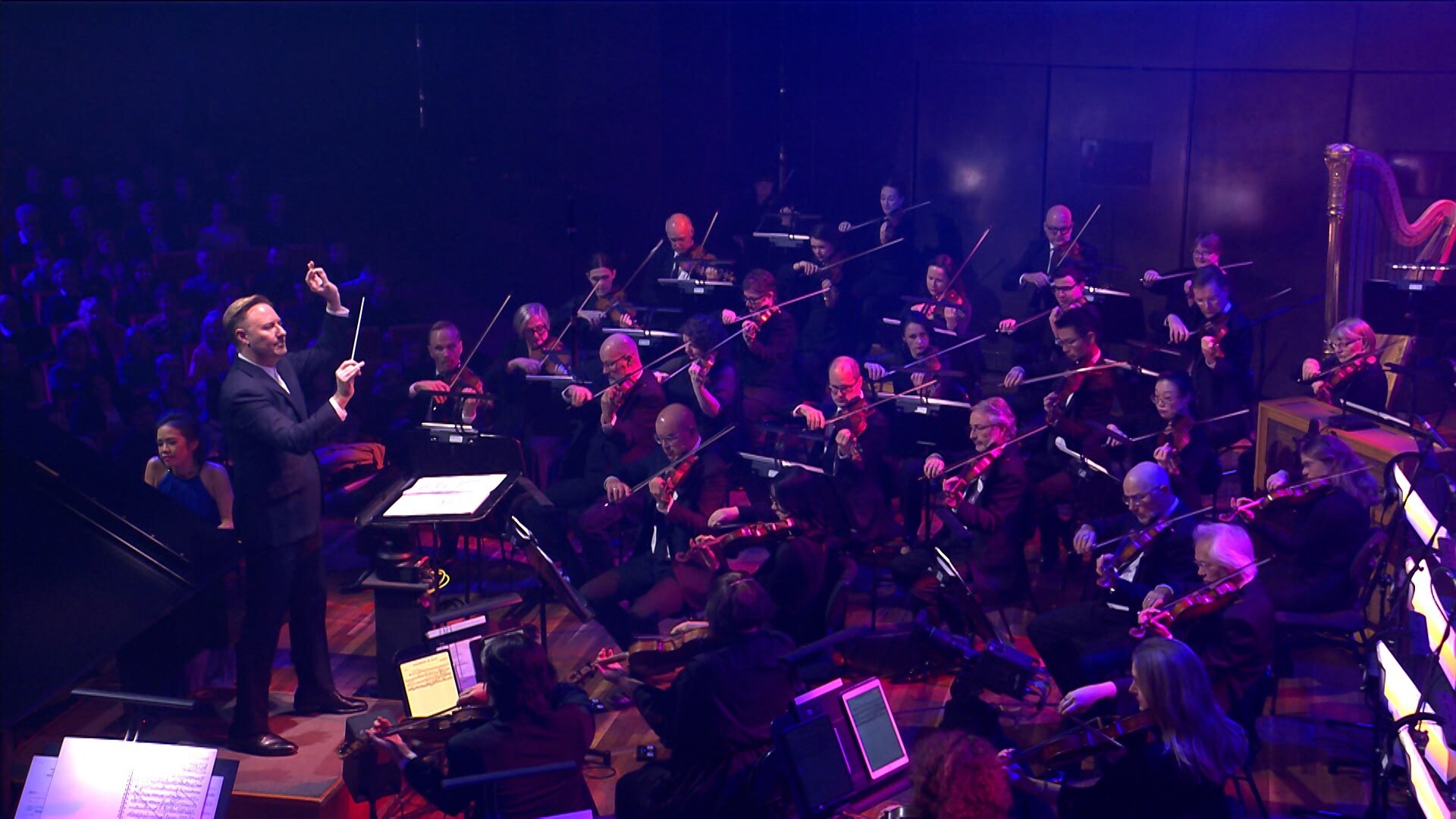
Looking beyond opera and ballet, broader data paints a more nuanced picture. According to Live Performance Australia, in 2024, revenue for Australia’s classical music sector grew by 14.5%, and attendance increased by 7.6%, hitting highs not seen for nearly a decade. This growth was attributed significantly to concerts featuring music from favorite films, as well as a tour by the world’s biggest classical streaming artist, Ludovico Einaudi.
This data aligns with 2025 research released by the Royal Philharmonic Orchestra in the UK, which showed audience interest in seeing music in the concert hall was at a three-year high. The biggest growth was in people wanting to see orchestral concerts featuring pop music, followed by blockbuster soundtracks, and hits from musical theatre, but interest in core classical repertoire also remained strong.
“Our new research busts a few myths,” said the orchestra’s Music Director, Vasily Petrenko in the report. “Traditional symphonic repertoire is not the preserve of serious classical enthusiasts, and popular concerts are not just entry points for people new to the orchestral world.”
A similar shift is evident in ABC Classic 100 voting data, with music from the film, TV and video games and contemporary composers increasingly ranking in the top 100 of Australian choices.
Alongside being a “dead” artform, another persistent myth is that young people aren’t interested. Burslem finds this fixation with young audiences strange. “It’s saying, ‘well, if the young people aren’t getting into it and staying for their whole lives, then, what chance do we have?’ It also isn’t held up by the data.”
A 2022 Royal Philharmonic Orchestra study found 65% of people under 35 regularly listen to orchestral music. That’s more than their parents’ generation. A recent Forbes article highlighted the St Louis Symphony Orchestra and LA Philharmonic, where more than half of audiences are now Gen X, Millennial or Gen Z.
These audiences are coming to traditional concerts, but both orchestras are also connecting with them in different ways, including on social media and through influencers. “We’re intentional about meeting people where they are,” Marie-Hélène Bernard, the President and CEO of the St Louis Symphony Orchestra, told Forbes.
Social media has had a profound impact on how classical music is discovered and shared. One example is Australian pianist and composer, Bailey Pickles. At just 22, Pickles has 1.7 million followers across social media. Videos of his often-improvisational compositions have millions of views. His mum first suggested he start sharing videos of his music on social media. “I wouldn’t be here without her. I got so lucky,” he shares. His work on social media has already led him to some huge gigs in the real world. In 2024, Pickles was asked to write the music for Vivid Sydney, and this year he wrote and performed music for Apple’s 50th anniversary. “Social media is the strongest tool anyone could ever hope to have.”
Whether you consider yourself a fan or not, classical music is woven into everyday life in Australia. It forms the building blocks of a lot of the music we enjoy today. Pop artists like Celine Dion, Beyoncé, and recently, Raye, have sampled sounds from the classical canon. It’s the soundtrack to favourite films, TV shows and video games, often mixing original scores with iconic music from the classical canon.
And just like the cartoons of our childhood, kids are also falling in love with classical music thanks to shows like Bluey. Despite its long history, classical music is a living artform. “There’s new classical music, new operas, being written every day,” Burslem says.
This week, Opera Australia premieres The Drover’s Wife, a new opera based on Leah Purcell AM’s award-winning play, novel and film. Composers continue to tell the stories of our time and place, with the industry becoming more inclusive and representative. There are organisations like Deborah Cheetham Fraillon AM’s Short Black Opera, which aims to increase Aboriginal and Torres Strait Islander representation in classical music.
Artists like William Barton, Mindy Meng Wang and Joseph Tawadros have made instruments like the yidaki/didgeridoo, guzheng, and oud regular stars on Australian stages. And we’re seeing more music by women on the radio and on the Australian concert platform.
Burslem would happily never answer the question of whether classical music is “dead” ever again. “I hear so many stories of people who say that this music has saved their life. That’s what it means to people.”
So, whether Max Richter’s On the Nature of Daylight broke you at the end of Hamnet, you can’t get enough of the music in your favourite video game, or you love your Bach and Beethoven, classical music is all around you.
Voting in the ABC Classic 100: Greatest of All Time is open until 28 May. ABC Classic will count down the top 100 across Saturday 6 and Sunday 7 June.