The Importance of Home Medicine Reviews
When Mildura resident Bronwen Walker was offered an in-home review of her medication, she took it up immediately. She had been taking three tablets in the morning and three at night, and that was just one tablet. Then she had all the other tablets she was taking, and some of those were doubled up each day. “I’m certainly on a lot of medication, and I’d had a couple of incidents where it was almost the equivalent of an overdose,” she said.
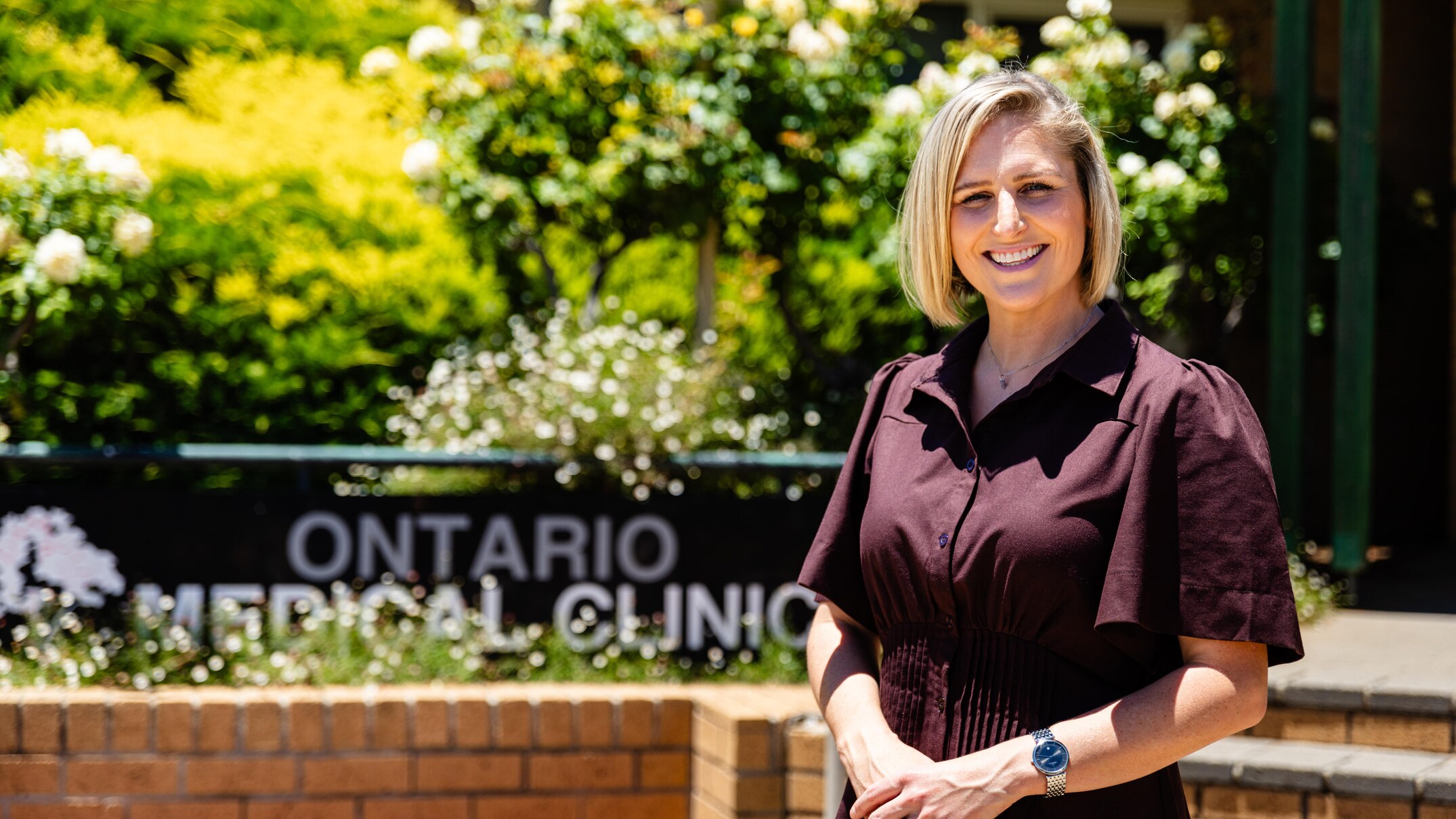
Home Medicine Reviews are available across Australia and aim to minimize incorrect medication use by helping people better understand and manage their medicines. In the Mallee region of north-west Victoria, pharmacist Brooke Shelley is one of a few who can provide this service and regularly visits patients, including Ms Walker.
Ms Walker said Ms Shelley worked with her GP to reduce the number of medications she was on, and she soon started to notice positive changes to her quality of life. However, Ms Shelley is part of a growing group of pharmacists calling for funding changes that would allow her to deliver this “life-saving” service to more people.
Pharmacists in ‘Unfair Situations’
Pharmacists are limited to providing 30 government-funded at-home reviews every month. Once she has reached the 30-patient limit, Ms Shelley must choose between turning people away, charging patients, or working without pay. “These caps really unfairly put professionals in an unfair situation where they’re having to choose who receives care,” she said.
“Medication problems don’t wait until the first of the month. Patients shouldn’t have to either. We would never accept that a patient with a breast lump is being told by their GP that they have to wait for a mammogram because the number of referrals that month has already been exceeded.”
Ms Shelley explained that there are higher rates of chronic disease in the Mallee, most of which require medication. Ms Walker said she knew many people who would benefit from a medication review, but due to patient limits, they had not been able to access one. “I’ve got friends on a lot of medication, and I’d suggested perhaps they could see Brooke, but she couldn’t take that up because she’d reached her limit,” she said.
Costs Increasing
Ms Shelley said funding for at-home medication reviews had not been indexed since 2019, and many pharmacists could not sustain it as a full-time career path despite extra postgraduate training. She said it had become tough to deliver the service, with increased costs for items such as fuel and the inability to consult via telehealth.
A travel allowance is provided to pharmacists for round trips of 200 kilometres or more, but the flat payment of $125 does not increase regardless of the total distance. Some of Ms Shelley’s patients live more than 100km away, but the service was not funded unless she stepped foot in their home.
“I want to be in the home, that’s where we do our best work. But the reality is if we can’t be in the home, they will receive no care. In rural areas, telehealth is not something we do for convenience. We do it to improve access.”
Ms Shelley said nearly $20 billion was spent in Australia on medicine every year, but less than 1 per cent of that went towards medication safety programs. “We’re not asking to increase that by billions,” she said. “We’re really just saying, let us do more, pay us not at 2019 rates, make sure that we can do this work and be recognised for the challenges of driving distance in the country and being able to be as productive as we possibly can.”
Patients ‘Falling Through Cracks’
Last month, the Pharmaceutical Society of Australia (PSA) urged the federal government to reinstate telehealth funding for home reviews. The society said pharmacists were concerned about their ability to access and afford fuel.
“The support these patients need, such as medication reviews, is becoming rapidly unsustainable amid the current fuel crisis, unless the government reinstates telehealth,” PSA national president Mark Naunton said. “We know telehealth worked effectively and efficiently during the COVID-19 pandemic, so why not now?”
A government spokesperson said it had increased the cap from 20 to 30 patients in 2020, and additional reviews could be done at the patients’ expense if requested. “The monthly cap helps ensure the HMR program is sustainable and allows each pharmacist to deliver reviews for the patients who need them most, in their homes,” they said. The spokesperson added that they were unable to pre-empt whether any changes would be announced in the upcoming federal budget.