The Environmental Impact of Dietary Choices
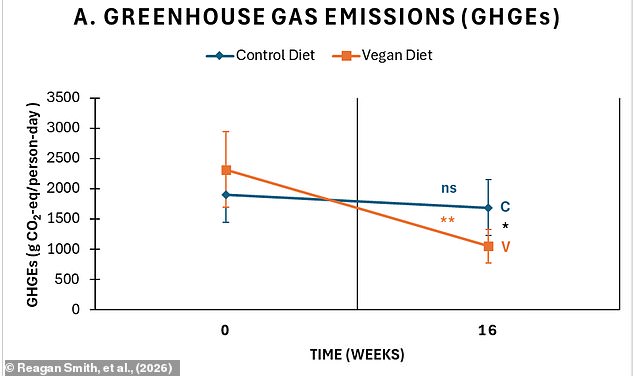
Scientists are increasingly emphasizing the importance of dietary choices in the fight against climate change. A recent study has highlighted that switching from a meat-based diet to a low-fat vegan diet can significantly reduce an individual’s carbon footprint. This shift could cut greenhouse gas emissions by as least 55 per cent, according to the findings.
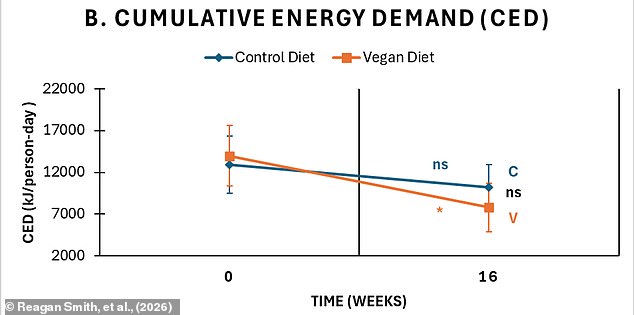
In addition to reducing emissions, adopting a plant-based diet also lowers the energy required for food production by 44 per cent overall. For the average person, this is comparable to eliminating daily car travel emissions. These results come from a study involving 58 adults with type 1 diabetes who were part of a randomised clinical trial.
One group followed a low-fat vegan diet rich in fruits, vegetables, whole grains, and legumes, while the control group maintained a calorie-controlled omnivorous diet. After just 12 weeks, the participants on the vegan diet saw their food-related carbon footprint drop to 1.05 kg of CO2 per day. In contrast, those on the omnivorous diet still emitted around 1.69 kg of CO2 daily.
Dr Hana Kahleova, co-author of the study and director of clinical research at the Physicians Committee for Responsible Medicine, emphasized that these findings are based on real-world data rather than theoretical models. “This is not a theoretical model or projection. This is real-world clinical trial data showing that changing what we eat can rapidly and meaningfully reduce environmental impact,” she stated.
The study, published in Current Developments in Nutrition, suggests that agriculture and food systems contribute approximately one-third of global greenhouse gas emissions. Much of this is due to the energy-intensive farming of livestock for meat and dairy products. While a balanced omnivorous diet provides essential nutrients and vitamins, scientists argue that reducing meat consumption could help cut emissions.
Importantly, the research found that a plant-based diet produces fewer emissions than an omnivorous one, even when the caloric intake is the same. This indicates that going vegan reduces emissions not just because of reduced food consumption but because of the inherent lower carbon footprint of plant-based foods.
In the study, meat consumption on a calorie-controlled diet was responsible for 495 grams of CO2 daily, while dairy contributed 252 grams. By contrast, the most polluting component of a vegan diet was vegetables, which accounted for 262 grams of CO2 per day.
What makes this data particularly valuable is that it comes from a ‘randomised clinical trial,’ the gold standard for measuring the effects of a new intervention. This method allows researchers to control external factors and examine the impact of one change at a time. In this case, the primary goal was to assess how a vegan diet affects the health of individuals with type 1 diabetes. This structure also enabled the collection of reliable data on the impact of a vegan diet on the participants’ carbon footprint.
“This is a uniquely actionable solution,” says Dr Kahleova. “Clinicians now have evidence from randomised trials—not just observational data—that dietary interventions can deliver measurable climate benefits within weeks.”
As an added benefit, the study found that cutting out meat and dairy improved the health of diabetic patients. After 12 weeks, participants on the vegan diet showed reduced insulin requirements, lower cholesterol levels, and significant weight loss.
However, previous studies have raised concerns about the long-term health effects of a vegan diet for certain groups. A study published last year found that children following vegan or vegetarian diets were shorter than those who consumed meat. Researchers from the US, Italy, and Australia analyzed over 40,000 children across various diets. On average, vegans were up to four centimetres (1.5 inches) shorter than omnivorous peers. They also had a lower body mass index (BMI), which measures fat relative to height.
Plant-based diets often lack essential nutrients such as calcium, iron, vitamin B12, iodine, and selenium—nutrients that are especially important during periods of rapid growth and development in children.
Similarly, other research questions whether completely eliminating meat is necessary to save the planet. A separate study revealed that consuming 255g of chicken or pork weekly does not harm the environment. Additionally, academics at the University of Edinburgh found that reducing meat consumption by 90% in the UK would significantly cut greenhouse gases from cattle farming. However, completely eliminating meat could negatively affect biodiversity in the UK, as insect and butterfly populations, which support bird and bat life, rely on cow dung for survival.