The Unlikely Star of ‘Breakfast at Tiffany’s’
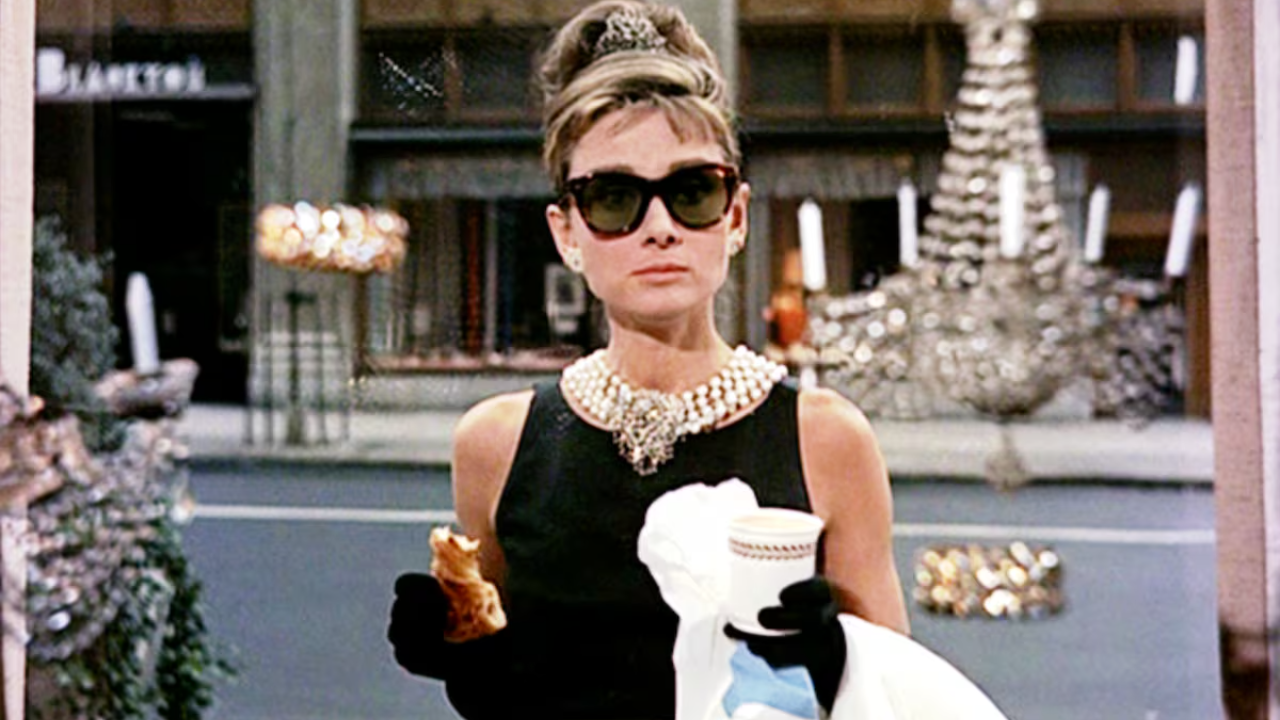
When you think of classic movie moments, you probably imagine Audrey Hepburn standing outside Tiffany’s, holding a croissant in one hand and coffee in the other. That image has become iconic, but what many people don’t know is that Hepburn almost turned down the role that would make her a legend.
Sixty-five years ago, when Paramount Pictures offered her the part of Holly Golightly in ‘Breakfast at Tiffany’s’, she was not flattered — she was scared. The role required her to play a character who was both a call girl and a “real fake,” which was far from the image she had built as a sweet and shy actress.
Truman Capote’s Disapproval
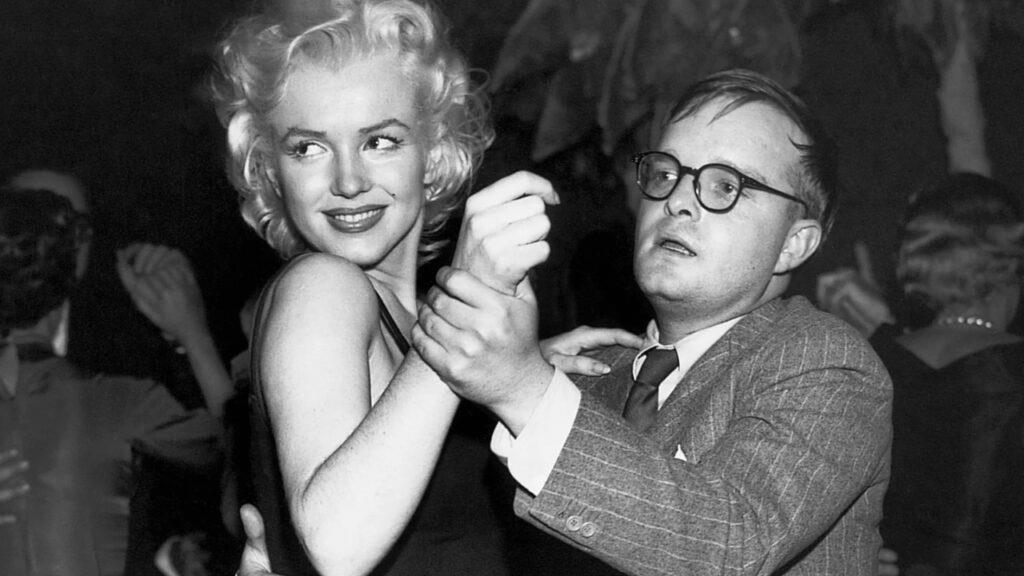
Truman Capote, the author of the novel on which the film was based, had very different ideas about who should play Holly Golightly. He wanted “a tough little blonde” and had Marilyn Monroe in mind. When he found out that Hepburn, the star of ‘Roman Holiday’, had been cast, he was harsh. He called it “the most miscast film I’ve ever seen.”
Hepburn agreed with him. Even though she was one of the world’s biggest stars, she did not think she had the tough edge that Holly needed. She worried she could not pull off the role of a streetwise woman who hides behind a glamorous mask.
A Clash of Visions
Sam Wasson, author of a book about the classic movie, explained that there was a significant clash between Capote’s vision and Hepburn’s image. Capote’s Holly was rough, free, and a survivor, while Hepburn was known for being light and innocent.
However, the director, Blake Edwards, saw her fear differently. He believed that Holly was not just a dangerous woman but also a scared kid hiding behind a fancy mask. This perspective helped shape the way Hepburn approached the role.
A New Perspective on Holly
One scholar, Krista Butts, wrote that “Audrey said that Holly’s charm was ‘a jazzy façade she creates because basically she’s a small town girl out of her depth.’” Hepburn saw Holly not as a seductress but as a lost girl singing about a moon over the river. This new perspective changed everything.
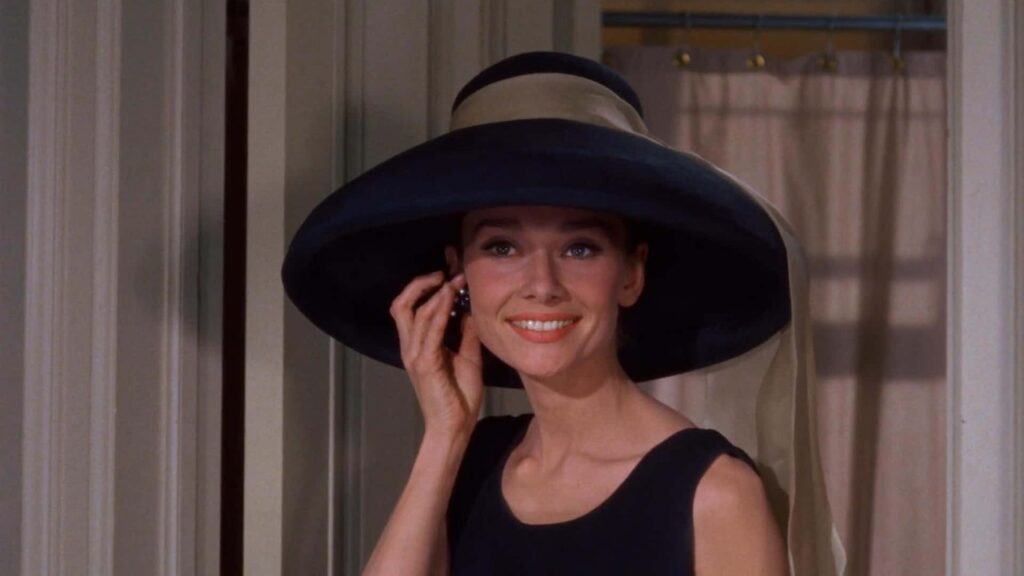
Hepburn took out Capote’s coldness and put vulnerability in its place. She insisted on wearing Givenchy dresses, which turned what could have looked like a streetwise woman into the picture of classy and simple style.
A Performance That Captivated the World
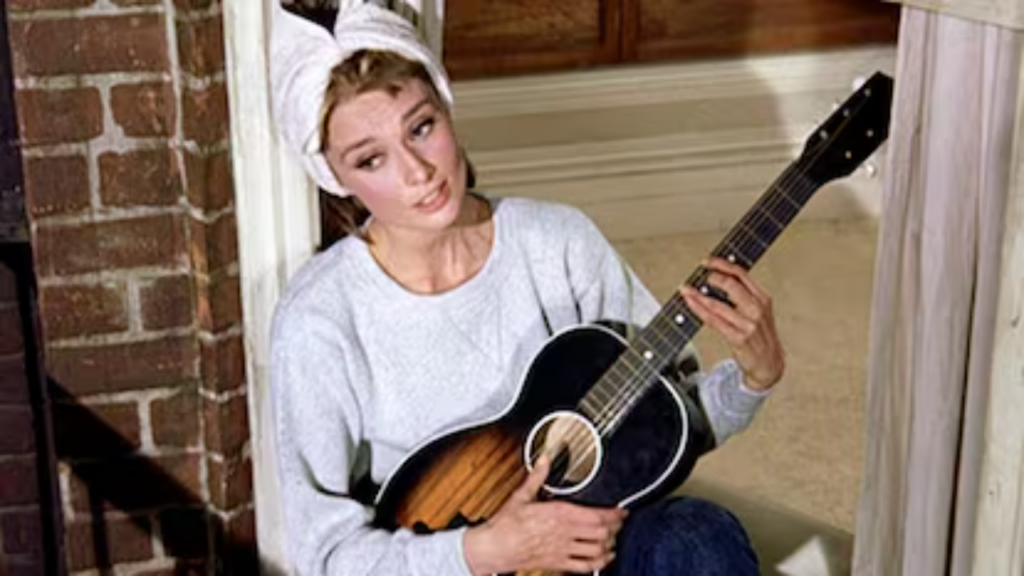
When she sat on the fire escape in a plain shirt and sang ‘Moon River,’ she was not acting — she was showing the real heart of a woman who has what Holly calls “the mean reds.” That performance earned Hepburn her fourth Oscar nomination.
Capote never liked the choice, but the rest of the world fell in love. Later in her life, Hepburn said ‘Breakfast at Tiffany’s’ was her best work. Still, she felt sad that Capote hated what she did.
The Power of Vulnerability
In the end, her fear was what made the role great. She might not have embodied Holly Golightly’s dark side, but she found the character’s broken heart. That just goes to show that the best acting does not come from being sure of yourself. It comes from being brave enough to try something that feels impossible.