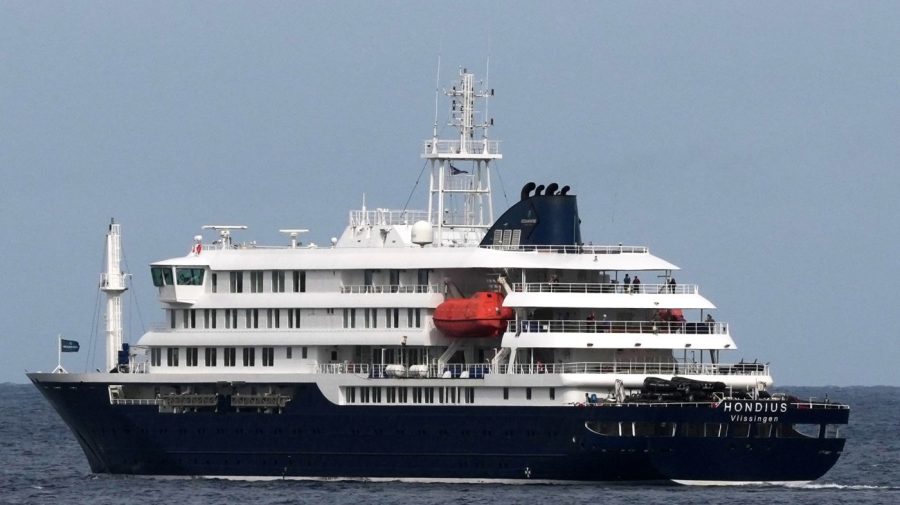
Understanding the Hantavirus Outbreak on a Dutch Cruise Ship
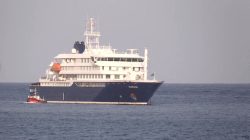
An outbreak of hantavirus aboard a Dutch cruise ship in the Atlantic Ocean has sparked public concern about the virus, particularly among those worried about another global health crisis. The MV Hondius, operated by Oceanwide Expeditions, has seen at least three passengers die and five others fall ill after showing symptoms of the hantavirus. The operator confirmed that no symptomatic individuals remain on board.
Some passengers, including six Americans, disembarked when the cruise ship stopped at St. Helena, a remote island in the South Atlantic, before the outbreak was recognized. This situation has reminded many of the early days of the COVID-19 pandemic, but public health officials emphasize that the threat to the general public remains low.
Key Facts About Hantavirus
Here are some important details about the hantavirus:
- Person-to-person transmission is rare: Most forms of hantavirus spread through contact with the feces, urine, and saliva of infected rodents. The strain found among the cruise ship passengers was confirmed as the Andes virus, which is endemic to South America.
- Rodents carrying Andes virus are not found in the U.S., though there have been imported cases. According to the Centers for Disease Control and Prevention (CDC), there were 26 hantavirus cases in 2023, the most recent year with available data, and a total of 890 cases since 1993.
- Andes virus can spread from person to person: It is the only known type of hantavirus that can do so, with a relatively high fatality rate between 20% and 40%. Transmission between people is associated with prolonged close contact, such as among members of the same household or medical providers.
“Most hantavirus do not spread easily between humans. In fact, there’s very little known of human to human transmission,” said Carlos del Rio, former president of the Infectious Diseases Society of America.
However, del Rio noted that there is still much unknown about the transmission of this virus, and previous assumptions may be incorrect.
Experts Not Concerned About Another Pandemic
Experts and officials say the cruise ship outbreak is significant from a public health and scientific perspective, but they are not worried about it becoming a pandemic.
“For the average person in the U.S., this is not a concern,” del Rio said. Jeanne Marrazzo, head of the Infectious Diseases Society of America, urged people not to panic.
“It’s not the situation where it’s going to start an outbreak everywhere in the world, across the world, from probably these sort of little kindling cases,” Marrazzo said.
In a briefing, WHO Director-General Tedros Adhanom Ghebreyesus stated that the public health risk is low at this time. “This is not the start of an epidemic; this is not the start of a pandemic,” Maria Van Kerkhove, acting director of the WHO’s Department of Epidemic and Pandemic Threat Management, said.
Uncertain Federal Health Agency Involvement
While the virus itself is not a significant concern for health experts, they are worried about the federal response and what it portends for any future outbreaks. During past outbreaks, including COVID-19, CDC experts would typically deploy to help the WHO with the outbreak investigation. That does not appear to be happening now.
“A lot of the things that you would like to see, we haven’t seen, and to me, that’s very concerning. The silence that we’re seeing from our premier public health institution is really concerning,” del Rio said.
The CDC late Wednesday said it was “closely monitoring the situation,” adding that the State Department is leading a “whole-of-government response.” However, the State Department did not immediately respond to questions about how many Americans are still on board the ship or plans to monitor potentially exposed passengers.
No Treatments or Vaccines Available
There are currently no specific treatments or vaccines indicated for hantavirus. When infections are identified, the standard treatment is supportive care and intensive care to keep the patient alive until they can recover from the virus.
“Research to help us develop vaccines and develop treatments is urgently needed,” del Rio said. A potential vaccine candidate for hantavirus is being considered with the support of Moderna, but the research is in its early stages.
States Monitoring Exposed Residents
In the U.S., at least four states are monitoring residents who were on board the ship and potentially exposed: Arizona, Virginia, California, and Georgia.
Arizona’s health department received notification that one resident was a passenger on the MV Hondius. “This individual is not symptomatic and is being monitored by public health,” a spokesperson said.
Georgia’s Department of Public Health is monitoring two residents, who are currently in good health and show no signs of infection. California’s Department of Public Health said it had been notified by the CDC of California residents who were on board the cruise ship but did not disclose how many. Virginia’s Department of Health said one resident who was on the MV Hondius disembarked and returned home, and is currently in good health under public health monitoring.
“The risk to the general public is low,” the Virginia Department of Health said.