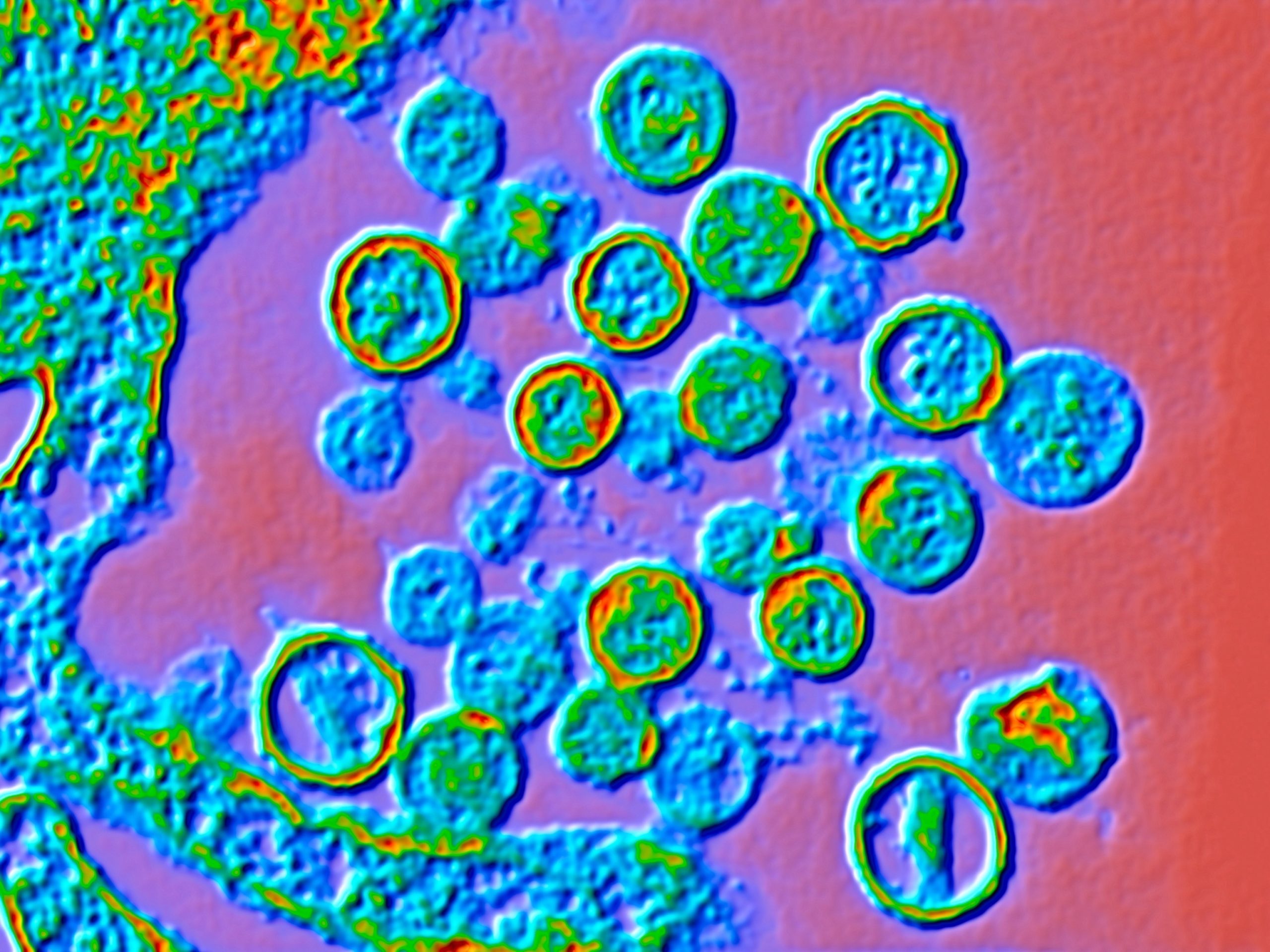
Suspected Hantavirus Outbreak on Cruise Ship Sparks Concerns
A suspected hantavirus cluster has been reported aboard a cruise ship, raising concerns about the rare, rodent-borne disease. The World Health Organization (WHO) has documented eight cases, including five laboratory-confirmed and three suspected cases. Tragically, three deaths have occurred as a result of these infections.
There are indications that there may be at least two additional confirmed cases and three more suspected cases that are not included in the WHO’s official count. This has led to increased scrutiny and concern among health officials.
Here’s what you need to know about hantavirus, including its nature, transmission methods, symptoms, treatment options, and prevention strategies:
What is Hantavirus?
Hantaviruses belong to a family of viruses that can cause severe illness and even death, according to the Centers for Disease Control and Prevention (CDC). These viruses are responsible for two distinct syndromes: hantavirus pulmonary syndrome (HPS) and hemorrhagic fever with renal syndrome (HFRS).
HPS is primarily found in the Western Hemisphere, including the United States, while HFRS is more common in Europe and Asia. Surveillance for hantavirus in the U.S. began in 1993 during an outbreak in the Four Corners region, where Arizona, Colorado, New Mexico, and Utah meet. Between 1993 and the end of 2023, the CDC reported 890 cases of hantavirus disease in the U.S.
Hantavirus gained widespread attention after it was identified as the cause of death of the wife of actor Gene Hackman, who was found dead at their New Mexico home in February 2025.
How Does Hantavirus Spread?
Hantaviruses are typically transmitted through rodents such as rats and mice, primarily via exposure to their urine, droppings, or saliva. Although infection can occur through a rodent bite or scratch, this is rare, according to the CDC.
Hantaviruses can also spread from person to person, although this is uncommon. The World Health Organization notes that only one subtype from South America has been suspected of spreading between humans.
The strain involved in the suspected cluster has been identified as the Andes virus, which has historically shown potential for human-to-human transmission.
Dr. Jeanne Marrazzo, CEO of the Infectious Diseases Society of America, stated during a press conference that she believes the spread in the suspected cluster is through “respiratory material.” She explained, “About human to human transition, again, theoretically, both potential methods. People could have infected material on their hands. They could potentially transmit it that way. But we believe, at least from the outbreak in Argentina that occurred and was written up in the New England Journal several years ago, pre-pandemic, that it probably is transmitted through respiratory material, whether it’s airborne, whether it’s droplet, we don’t really know.”
What Are the Symptoms of Hantavirus?
Symptoms of HPS typically appear one to eight weeks after contact with the virus. Early signs include fever, fatigue, and muscle aches. Half of HPS patients may experience headaches, chills, dizziness, nausea, vomiting, diarrhea, and abdominal pain.
The CDC states that between four and 10 days after the initial phase of illness, late symptoms may develop, including coughing, shortness of breath, and chest tightness as the lungs fill with fluid. According to the CDC, approximately 38% of people who develop HPS respiratory symptoms may die from the disease.
Symptoms of HFRS usually appear one to two weeks after exposure and typically include intense headaches, fever, chills, back pain, abdominal pain, nausea, and vomiting. Later symptoms may involve low blood pressure, lack of blood flow, internal bleeding, and acute kidney failure. The fatality rate among infected individuals varies depending on the virus, ranging from less than 1% to as high as 15%.

What Treatments Are Available?
There is currently no specific treatment for hantavirus infection. The CDC recommends supportive care, including rest, hydration, and management of symptoms. Patients experiencing breathing difficulties may require breathing support, such as intubation.
For HFRS, which can disrupt kidney function, infected patients may need dialysis to remove toxins from the blood, according to the CDC.
Is There a Vaccine?
There is no vaccine available to protect against hantavirus. The CDC advises people to avoid contact with rodent urine, droppings, saliva, and nesting materials. If mice or rats are found around the home, the CDC emphasizes the importance of cleaning up after them safely.