

When the term ‘midlife crisis’ comes to mind, it’s often associated with dramatic changes like buying a sports car, switching careers, or taking up an extravagant hobby. These are the images that have become part of our cultural imagination, making the concept both recognizable and easy to mock. However, the reality of midlife is evolving, and what was once seen as a period of external upheaval is now more likely to manifest as an internal struggle.
The traditional narrative around midlife crises was influenced by the idea that well-being dips in middle age before rising again later. A 2025 study published in PLOS ONE challenged this notion, revealing that the so-called “unhappiness hump” no longer appears in data from the U.S. and U.K. The research also analyzed Global Minds data from 44 countries between 2020 and 2025, finding that ill-being tends to decrease with age rather than peak in midlife.
This doesn’t mean that middle age has become easier overall. Instead, the shift seems to be due to worsening mental health among younger generations, not necessarily because older adults are experiencing greater happiness. ScienceDaily’s summary of the study emphasizes that the old midlife slump appears to have faded because young people report higher levels of distress, while older adults remain more stable.
So, while the classic ‘midlife crisis’ may not have disappeared, it now takes on a different form. For many, the discomfort is less about chaos and more about a quiet sense of emptiness or disconnection.

Emotional boredom can be a subtle but powerful experience. It isn’t always about having nothing to do—many people in midlife are still busy with work, family, and other responsibilities. The issue lies in the repetition without renewal. Life may be full, but it can start to feel dull, unchanging, and lacking in meaning.
According to HelpGuide, a midlife crisis is a period of self-reflection and emotional turbulence that some middle-aged adults experience. It notes that midlife typically falls between the ages of 40 and 60. The source also mentions that only about 10 to 20 percent of adults claim to have experienced a midlife crisis. Signs of this phase can include sadness, regret, restlessness, daydreaming, irritability, nostalgia, impulsive behavior, and changes in ambition.
When viewed through the lens of emotional boredom, these signs may be less obvious. You might find yourself daydreaming about a different career, a new city, or a life where everything feels more vibrant. You may not want to completely abandon your current life, but you’re definitely craving something more.
One reason this feeling can be so hard to identify is that stability can mask it. If your life looks good on the surface, it can feel inappropriate or ungrateful to admit that you’re restless. Bills are paid, the calendar is full, relationships are steady, and yet, the days still blend together without much distinction.
Psychology Today has explored the concept of “fear of being boring,” or FOBB, which is tied to the gap between how people used to see themselves and how their lives look now. The article frames midlife more as a transition than a crisis, suggesting that people may compare their current routines with earlier years that felt more spontaneous or exciting. This feeling might resonate with many.
Greater Good Magazine has written about midlife stress, highlighting factors such as caregiving for children and parents, financial strain, and shifting responsibilities. While it doesn’t suggest that a breakdown is inevitable, these monotonous routines can create a sense of dullness, tiredness, and a lack of space for desire, curiosity, or play.
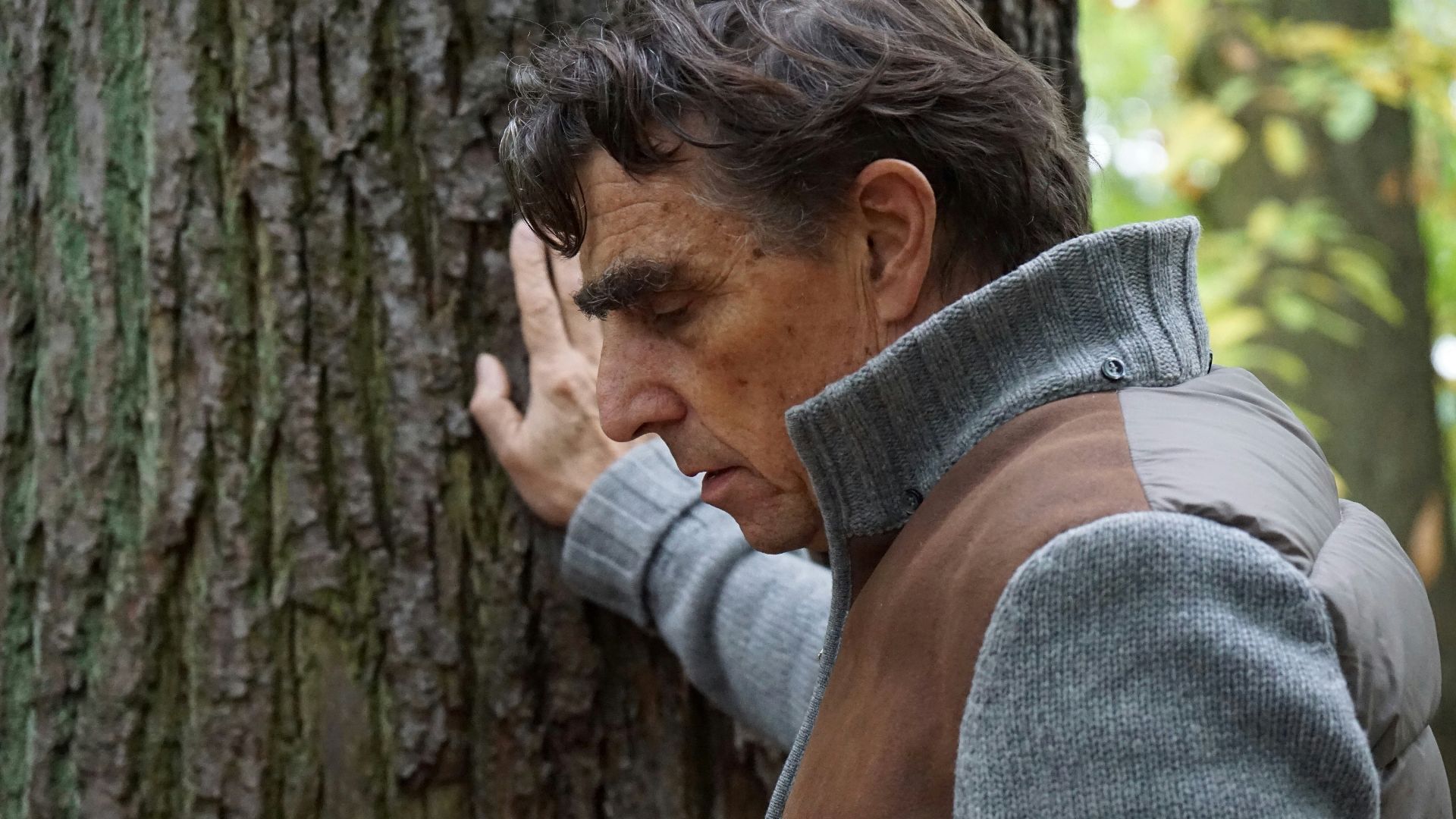
For those experiencing ordinary restlessness or emotional flatness, small changes can make a significant difference. HelpGuide recommends accepting change, maintaining a sense of purpose, prioritizing self-care, and adjusting how you think about midlife and aging. The suggestions include trying new hobbies, revisiting old interests, exploring new places, volunteering, practicing gratitude, and reflecting on accomplishments rather than missed opportunities.
The key is to make changes that are manageable and sustainable. Take a different route on a walk, sign up for a class, invite a friend to do something new, or dedicate two hours to a cause that makes you feel useful. The goal isn’t to become a completely new person, but to introduce a little friction into your routine.

Perhaps the new midlife crisis isn’t really a crisis in the traditional sense. For some, it could be a signal that a life can be stable yet still need more meaning, novelty, or emotional fulfillment. Emotional boredom doesn’t mean everything is wrong—it may simply indicate that a part of you is ready to engage again.