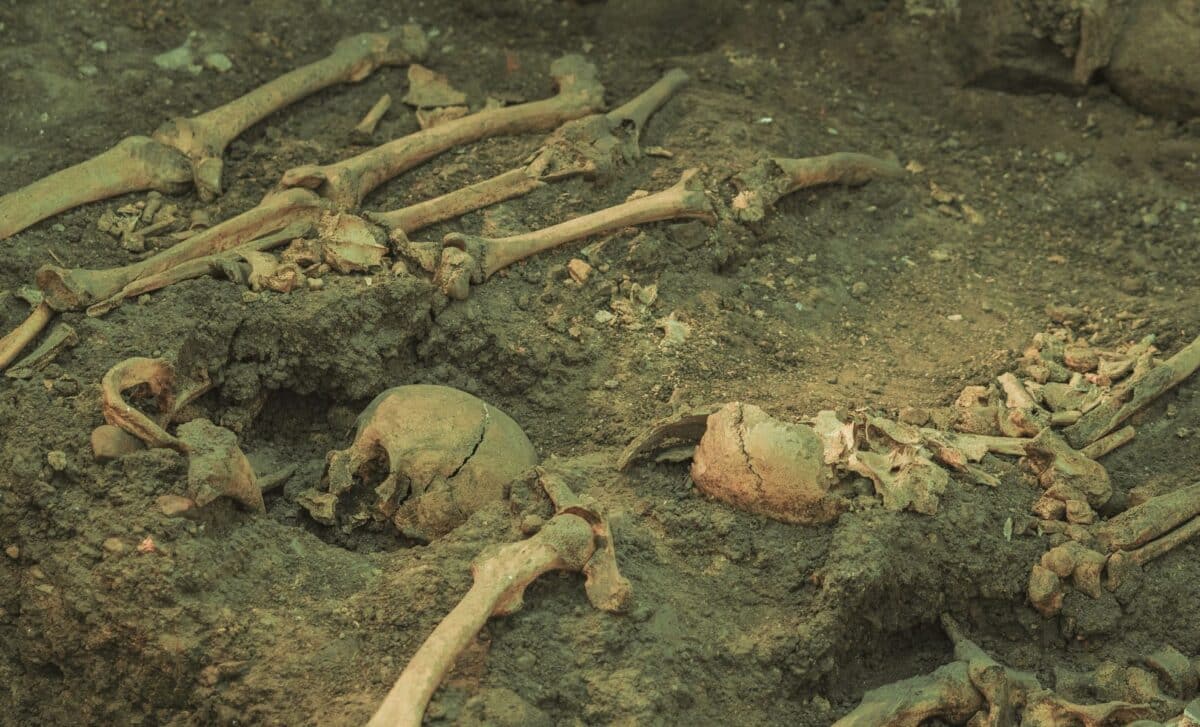
A team of scientists has made a remarkable discovery in Colombia: 6,000-year-old human remains with DNA that does not match any known ancient or modern population. These ancient people, who lived in the Bogotá Altiplano, appear to have vanished from the genetic record, leaving researchers puzzled about their origins and what led to their disappearance.
The significance of these remains goes beyond their age. They challenge existing assumptions about the early peopling of South America. Despite living in a region that would later be home to numerous Indigenous groups, these people seem to have no direct genetic descendants. While their DNA shows some connections with modern-day Chibchan speakers in Central America, their exact identity remains an unsolved mystery.
A Vanished People with No Clear Descendants
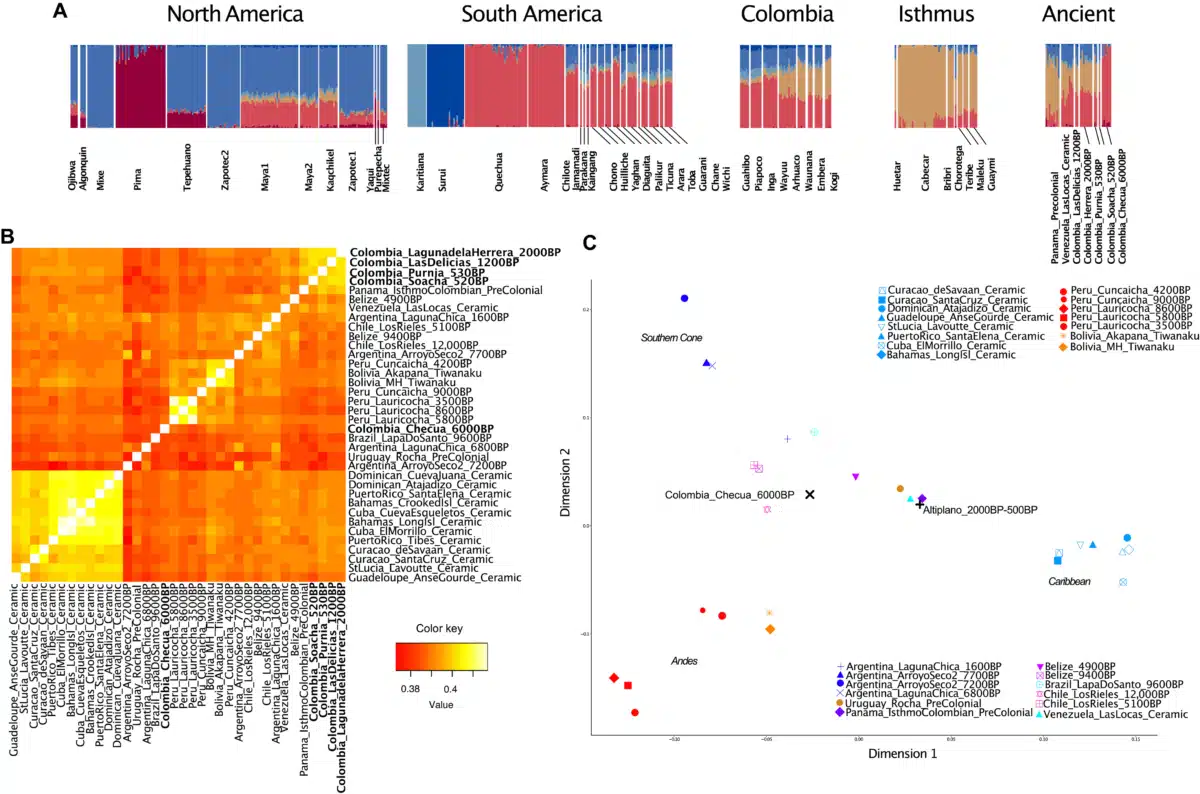
Around 6,000 years ago, a group of hunter-gatherers migrated south into what is now Colombia. They settled in the Bogotá Altiplano and gradually transitioned to farming over the next few thousand years. However, they then disappeared from the historical record. What makes this discovery particularly strange is that their DNA does not match any modern or ancient South American populations, meaning they left no clear genetic trace in today’s world.
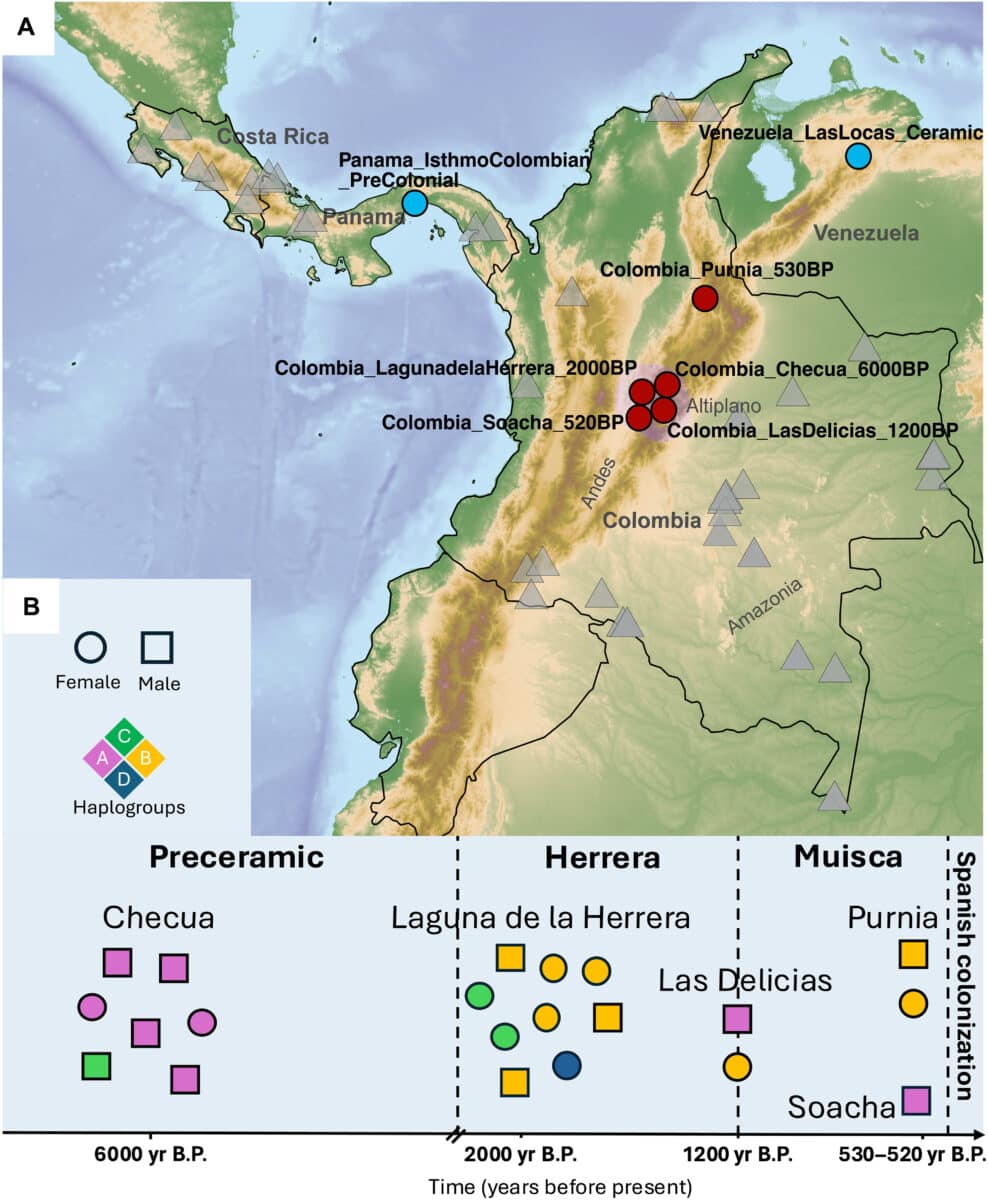
Genetic analysis of the remains reveals no connection to Indigenous Colombians, who lived in the same area long after these early settlers. Instead, the DNA shares more in common with populations from Panama, particularly those who speak Chibchan languages. But what happened to them? Did they intermingle with other groups, leaving only faint genetic traces behind? Or did they migrate and vanish completely?
What’s Behind These Language Connections?
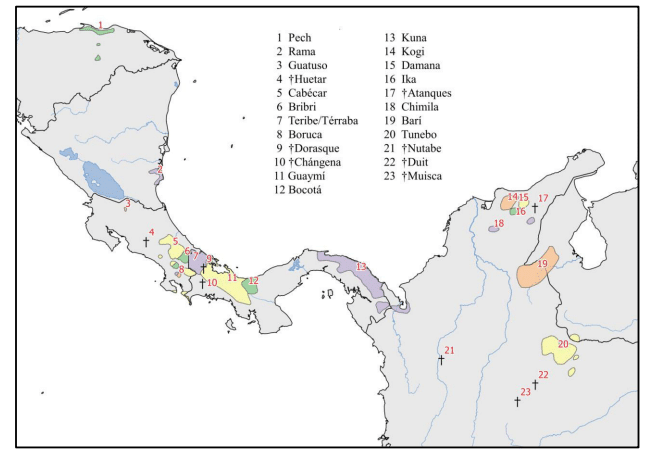
The Chibchan language family is spoken today by Indigenous peoples across parts of the Isthmus of Panama. According to the researchers, the genetic similarities between these ancient Colombians and modern Chibchan speakers suggest some kind of connection. While it’s possible these ancient people spoke a language related to Chibchan, there is currently no definitive proof.
The researchers speculate that over time, these ancient people may have mixed with other populations, diluting their distinct genetic signature. However, their influence is still detectable in the region’s genetic landscape, even if their direct descendants are nowhere to be found.
Journey of Early Humans Across Continents
This strange discovery, recently published in Science Advances, is part of a broader effort to understand how the Americas were populated thousands of years ago. The Isthmus of Panama, a narrow land bridge connecting North and South America, has long been key to understanding these early migrations. However, despite years of research, many questions remain. When and how people made their way south, and where they came from, are still topics of ongoing investigation.
“The Isthmo-Colombian area, stretching from the coast of Honduras to the northern Colombian Andes, is critical to understanding the peopling of the Americas,” wrote the authors. “Besides being the land bridge between North and South America, it is at the center of the three major cultural regions of Mesoamerica, Amazonia, and the Andes.”
This area remains central to human migration research, as it holds clues to the genetic and cultural diversity of ancient populations.
“Ancient genomic data from neighboring areas along the Northern Andes that have not yet been analyzed through ancient genomics,” the researchers added, “such as western Colombia, western Venezuela, and Ecuador, will be pivotal to better define the timing and ancestry sources of human migrations into South America.”
By studying the remains of 21 ancient individuals from the region, researchers have pieced together parts of the genetic history of the area. But this latest discovery, with its mysterious DNA connections, shows just how complex early human migration really was. The findings suggest that the migrations that shaped the Americas weren’t as straightforward as once believed.