A Major TB Outbreak at a High School in San Francisco
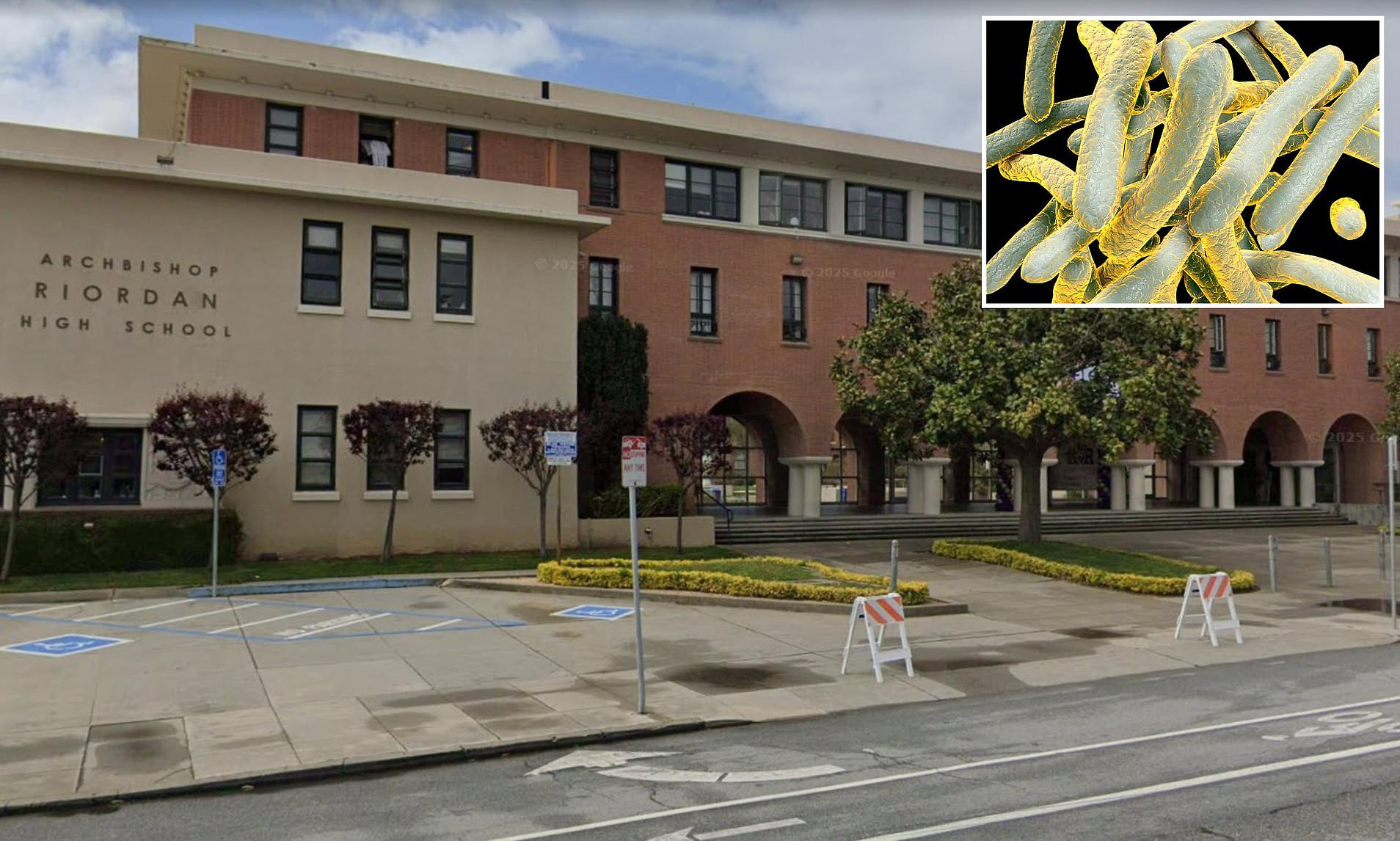
A high school in San Francisco is currently dealing with a significant outbreak of tuberculosis (TB), according to health officials. This situation has raised concerns about the spread of the disease and its potential impact on students and staff.
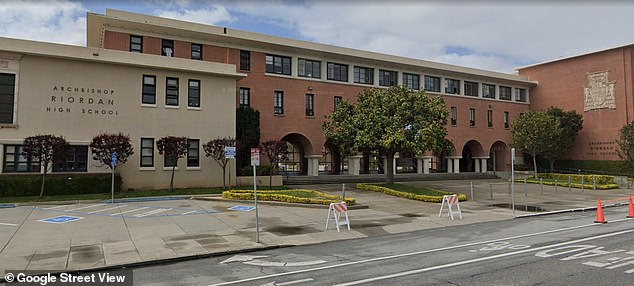
At Archbishop Riordan High School, nearly one in five tested students and staff have shown positive results for TB. This figure highlights the severity of the outbreak, as TB is considered one of the deadliest diseases globally due to antibiotic resistance and its prevalence in regions without access to modern medical treatments.
The San Francisco Department of Public Health reported that the outbreak started in November, with seven active cases identified so far. Additionally, there were 241 latent cases, meaning individuals carry the bacteria but are not contagious. Latent TB can become active if left untreated, posing a serious health risk.
Health officials emphasized the importance of treating latent TB to prevent it from progressing into an active infection. They stated that people with latent TB are not contagious, but treatment is crucial for long-term health and to protect others.
The school, which has approximately 1,200 students and costs around $30,000 annually, has been conducting regular testing. The latest round of testing, starting this week, focuses on individuals who have been exposed to a confirmed TB case or those with new latent TB diagnoses.
Earlier this year, a comprehensive testing initiative was conducted in March, which reportedly showed a reduction in transmission. However, the current testing is being carried out as a precautionary measure.
Dr Monica Gandhi, an infectious disease expert at the University of California San Francisco, described the outbreak as significant. She noted that while latent TB does not cause symptoms, the high percentage of affected individuals is unusual in the US context. Such high rates are typically seen in low-income countries.
TB infects thousands of Americans each year and causes around 500 deaths. Globally, the disease claims 1.2 million lives annually. Prevention primarily relies on the Bacillus Calmette-Guérin (BCG) vaccine, although it is not routinely administered in the US due to the low risk of TB.
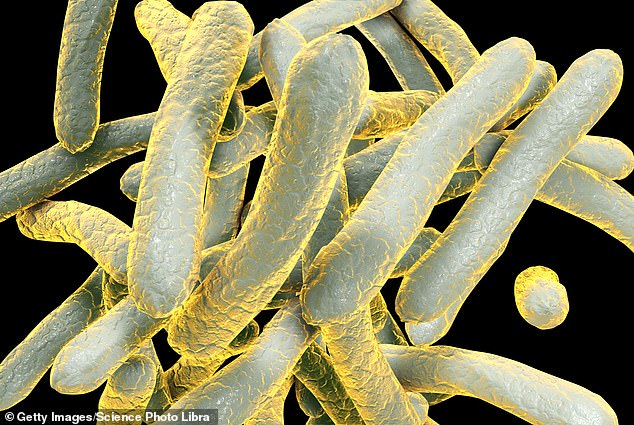
TB is caused by Mycobacterium tuberculosis and spreads through airborne droplets when an infected person coughs, sneezes, or speaks. Early symptoms include a persistent cough, chest pain, unexplained weight loss, fever, night sweats, and loss of appetite. In later stages, patients may experience severe breathing difficulties and lung damage, with the infection potentially spreading to other organs.
Tuberculous meningitis, a form of TB affecting the brain, can lead to serious complications such as paralysis or strokes. Respiratory failure due to lung damage is the primary cause of death in TB cases.
In the US, TB cases declined steadily from 1993 until 2020, reaching an all-time low of 7,170 cases. However, the number increased to 7,866 in 2021 and has continued to rise since then. According to the latest CDC data, the US recorded 10,110 TB cases in 2025, with the majority of cases occurring among non-US-born citizens.
California has seen a sharp increase in TB cases, with 2,150 cases reported in 2025, marking a 12-year high. State health officials noted that the rate of TB in California is higher than the national average, with 5.4 infections per 100,000 compared to 3 per 100,000 nationwide.
The demographics of TB have shifted over time, with more cases now involving non-US-born individuals. Since 2001, the CDC has reported more cases among immigrants and travelers, highlighting the need for targeted prevention strategies.
Active TB is treatable with antitubercular agents such as Isoniazid, Rifampin, Pyrazinamide, and Ethambutol. These medications are usually taken for at least six months to ensure complete eradication of the bacteria.