Scientists Work on Hantavirus Vaccine Amid Rising Infections
Scientists around the world are working urgently to develop a hantavirus vaccine as the number of confirmed infections continues to rise. However, experts have warned that it could take years for such a vaccine to be approved due to various challenges in the development process.
Researchers from the University of Bath are making progress with what they describe as a “highly promising” jab that is “completely new.” The vaccine has already been tested in laboratory settings and animal models, where it produced “excellent immune responses.” The team expects to move forward with human trials in the near future. Despite this progress, researchers caution that the approval process may be lengthy, largely due to a lack of investment.
“A major barrier for hantavirus vaccines is funding for advanced development,” said Jay Cooper, a virologist from the US Army Medical Research Institute of Infectious Diseases. “Right now we are pushing from the research side, but there is no strong external pull, so progress is slower than it could be. It’s frustrating – like pushing a rock up a hill for years.”
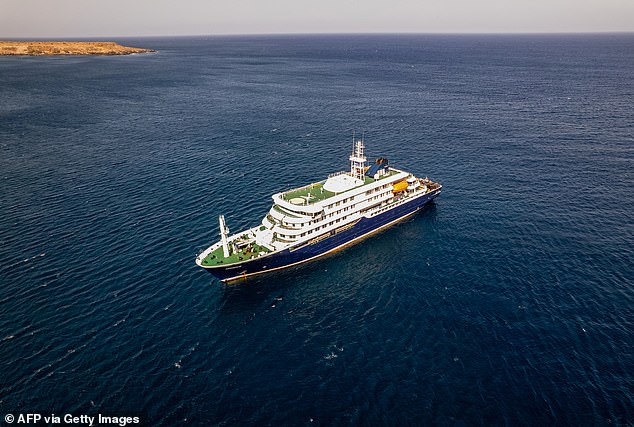
This concern comes as the World Health Organisation (WHO) warns that more cases of hantavirus could emerge globally after the virus affected a luxury cruise ship, resulting in three passenger deaths.
Professor Asel Sartbaeva, from the University of Bath, is leading the vaccine development team. She explained that currently, there is no effective vaccine against hantaviruses, leaving populations in Southeast Asia, Africa, and South America vulnerable to diseases transmitted by rodents.
“Our team has developed a new antigen against Hantaan disease, from the Hanta virus group. This is a completely new vaccine that has now been tested in the laboratory and in animal models, indicating excellent immune response.”
The Process of Vaccine Development
For a vaccine to be approved, it must go through several stages of testing for safety, dosage, and effectiveness. This begins with pre-clinical lab tests, followed by three clinical trial phases. These phases involve increasing numbers of volunteers to compare vaccinated individuals against a control group.
Regulatory agencies review the trial data, manufacturing quality, and side effects before deciding whether the vaccine can be approved for public use. After approval, scientists continue monitoring the vaccine for rare side effects and long-term effectiveness while manufacturers produce it at large scale.
Dr Cooper has been working on a hantavirus vaccine for over three decades. His team has already completed phase one clinical trials for vaccines targeting the Andes virus, the strain responsible for the recent cruise ship outbreak.

Challenges in Clinical Trials
Despite the progress, Dr Cooper warned that conducting clinical trials for the Andes virus presents unique challenges. “Because human cases of Andes virus are rare and geographically scattered, there is no obvious region to run a classic phase three efficacy trial, so to meet the requirements for licensing the vaccine requires more creative approaches.”
He explained that the Andes DNA vaccine induces neutralising antibodies, which are important for protection. It works by training the immune system to produce specialized proteins that bind directly to the virus, physically blocking it from attaching to and infecting cells.
“However, it requires at least three doses – a prime plus two boosters – instead of a single shot or simple prime-boost regimen,” he added.
Once approved, likely recipients would include people traveling to regions where the virus is endemic, outdoor workers, and others with high exposure to rodent habitats, as well as military personnel and workers in fields with heavy rodent contact.
“Overall, the commercial market would be small, and it is not an attractive vaccine market from a pure business perspective,” he added.
New Technologies and Slow Progress
Bath University’s vaccine is being developed using mRNA technology, similar to that used for the rapid development and rollout of the Covid-19 vaccine. While the Covid vaccines were deployed at massive scale quickly to combat a global pandemic, hantavirus is much rarer, and WHO scientists do not expect it to cause an epidemic. This means its development and deployment will likely be much slower.
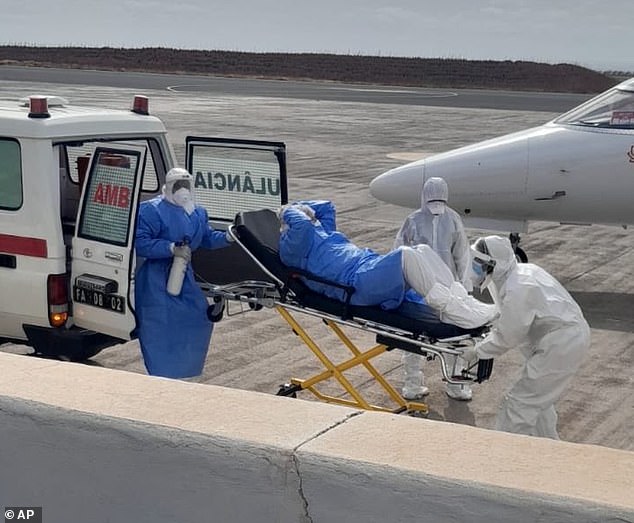
Recently, health officials announced a third British national has been diagnosed with suspected hantavirus linked to the MV Hondius cruise ship outbreak. The patient remains on the remote South Atlantic island of Tristan da Cunha, while the other two British nationals remain in hospital in the Netherlands and South Africa.
Speaking during a press briefing from Geneva, WHO Director-General Dr Tedros Adhanom Ghebreyesus said that five of the eight suspected cases of hantavirus linked to the MV Hondius cruise ship have now been confirmed. He noted that the WHO is aware of reports of other patients and that more cases may emerge due to the long incubation period of the virus.
“Given the incubation period of the Andes Virus, which can be up to six weeks, it’s possible that more cases may be reported,” he added.
Symptoms of Hantavirus
Early symptoms of hantavirus infection include:
- Fever
- Fatigue
- Muscle aches
- Headaches
- Chills
- Dizziness
- Nausea
- Vomiting
- Diarrhoea
Late symptoms (four to 10 days after the initial phase) may include:
- Coughing and shortness of breath
- Potential tightness in the chest as the lungs fill with fluid
Potential complications include:
- Hemorrhagic fever with renal syndrome (HFRS) – can cause intense headaches, back and abdominal pain, fever/chills, nausea, and blurred vision. Flushing of the face, inflammation or redness of the eyes, or a rash. Later symptoms can include low blood pressure, lack of blood flow, internal bleeding, and acute kidney failure, which can cause severe fluid overload. Usually survivable.
- Hantavirus pulmonary syndrome (HPS) – can cause significant shortness of breath, coughing, and low blood pressure due to fluid filling the lungs. Often fatal.