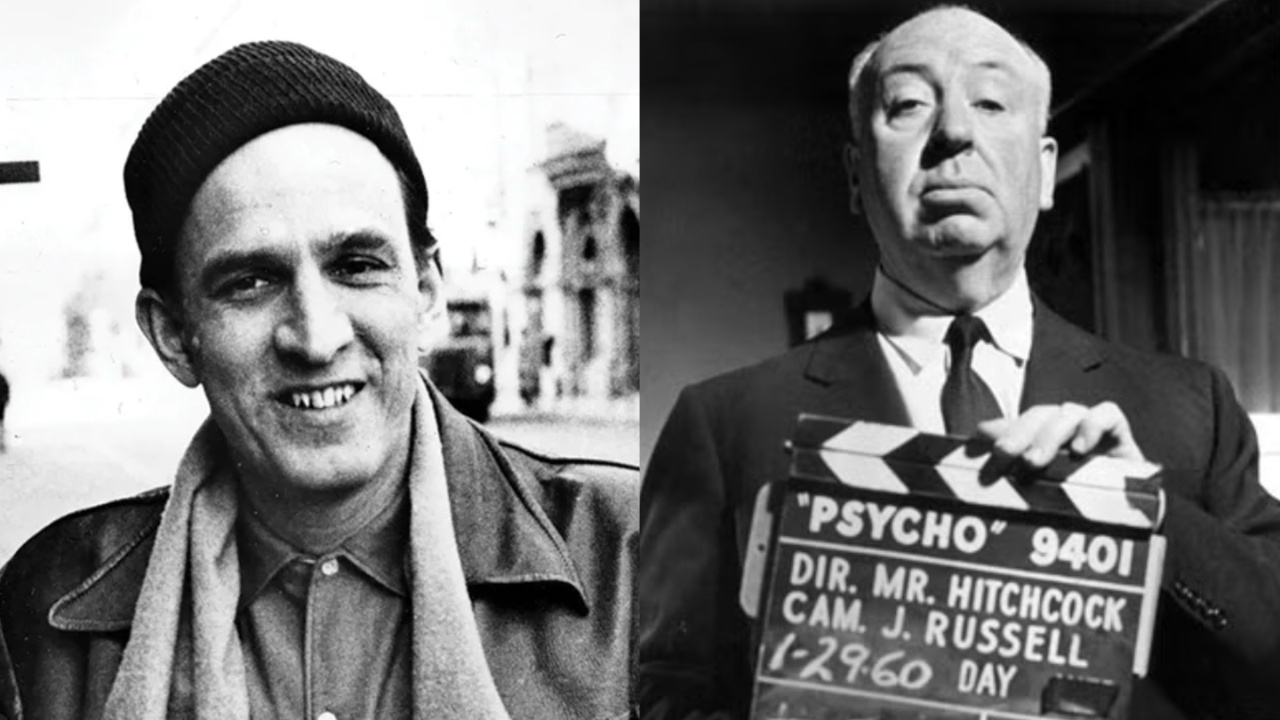
The Psychological Insight of Ingmar Bergman on ‘Psycho’
For many moviegoers, the famous shower scene in Alfred Hitchcock’s ‘Psycho’ is the scariest thing they have ever seen. However, for the Swedish director Ingmar Bergman, it was something entirely different. He saw it as a form of confession.
Back when both men were regarded as titans of 20th-century cinema, Bergman, known for his film ‘The Seventh Seal’, wrote a psychological analysis of Hitchcock using only ‘Psycho’ as his reference point. In a candid 1971 interview with critic John Simon, Bergman suggested that Hitchcock’s low-budget horror film was less about terrifying audiences and more like an X-ray of the director’s own soul.
A Different Perspective on a Classic Film
While most viewers watched a thriller, Bergman noticed something darker. He observed “infantile” behavior, hidden cruelty, and the raw truth about how Hitchcock viewed women. This perspective was quite unique and sparked further discussion about Hitchcock’s portrayal of gender dynamics.
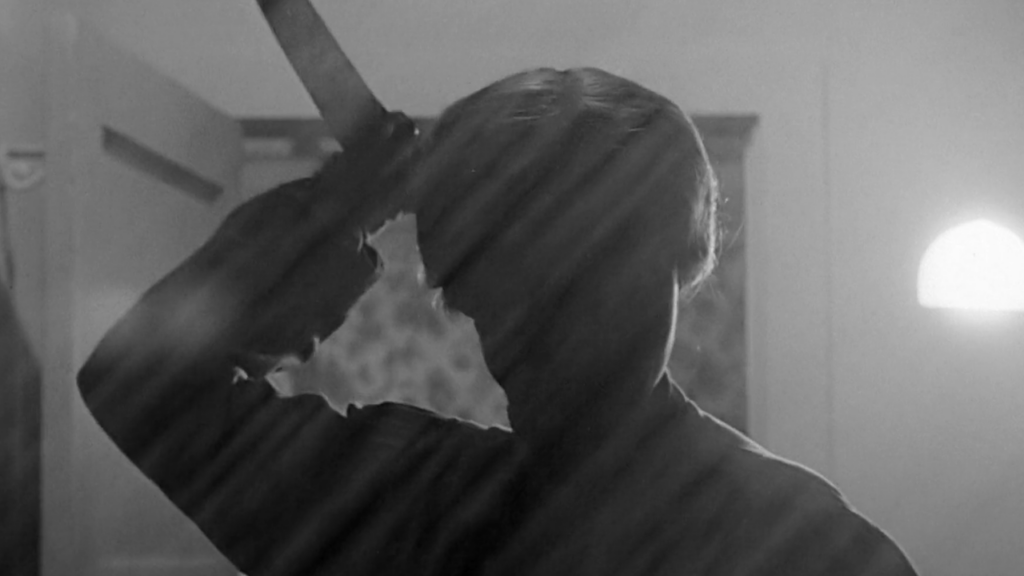
Bergman began with a compliment that many would agree with. He called Hitchcock “a very good technician,” but he didn’t appreciate the polished look of films like ‘Rear Window’ or ‘North by Northwest’. To Bergman, these were distractions. He believed the real Hitchcock emerged not despite the cheap and rushed production of ‘Psycho’, but because of it.
“Psycho is one of his most interesting pictures,” Bergman said, “because he had to make the picture very fast, with very primitive means. He had little money, and this picture tells us a lot about him.”
For Bergman, the rough edges of the film stripped away Hitchcock’s usual smooth style, revealing something raw and uncomfortable underneath.
The Dark Soul of Norman Bates
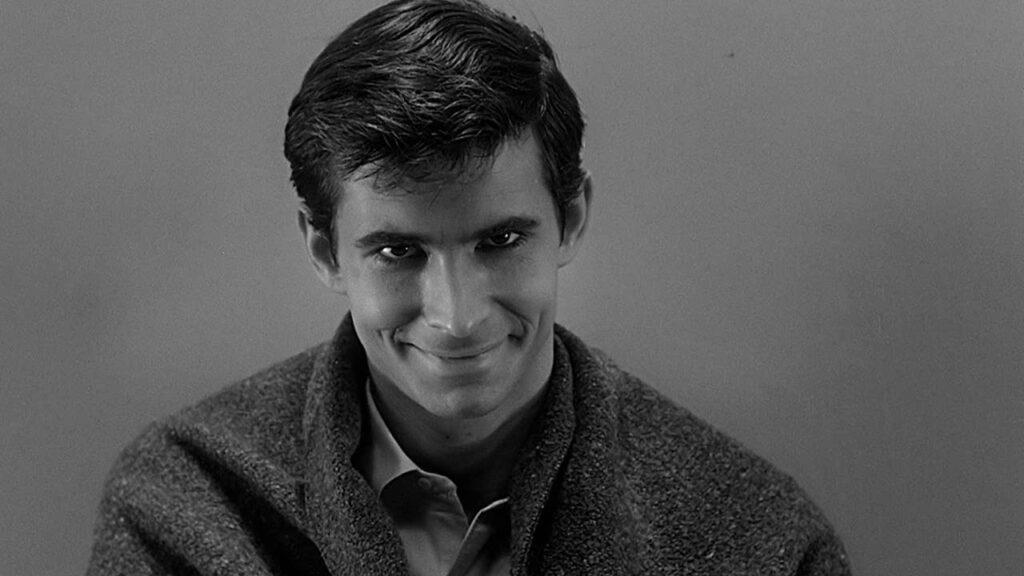
What did Bergman find inside the Bates Motel? He believed he saw Hitchcock’s own predatory side in the character of Norman Bates. “He is completely infantile,” Bergman stated, “and I would like to know more, no, I don’t want to know, about his behaviour with, or, rather, against women.”
This observation proved to be quite accurate. Years later, writer Donald Spoto detailed how Hitchcock allegedly mistreated Tippi Hedren. These behaviors, including controlling and voyeuristic tendencies, matched exactly what Bergman claimed to notice in ‘Psycho’.
Bergman thought the movie was not just fiction but a form of “wish fulfillment” for a man who wanted to control, change, or eliminate the women he desired.
Bergman’s Complex Relationship with Hitchcock
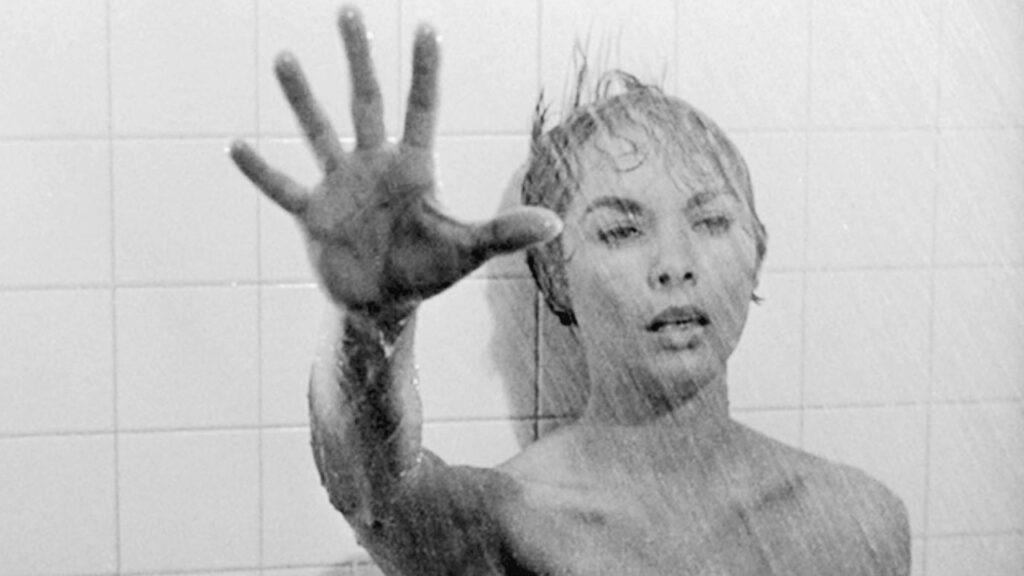
Here is the strange part. Bergman disliked Hitchcock’s psychology but admired his skill. In an unusual twist, Bergman admitted that he copied Hitchcock’s famous cameo appearances in his own early movies to claim the same “authorial presence” as a director.
However, Bergman felt that no amount of skill could erase the rotten core. He described Hitchcock as someone who played the audience like an organ, while he himself was more interested in the “wholeness inside every human being.” Bergman searched for God in silence, while Hitchcock, in his view, only found a monster in the mirror.
“But this picture is very interesting,” Bergman said at the end, unable to look away. It might be the greatest backhanded compliment ever made; a put-down of the man wrapped up in praise for the artist.