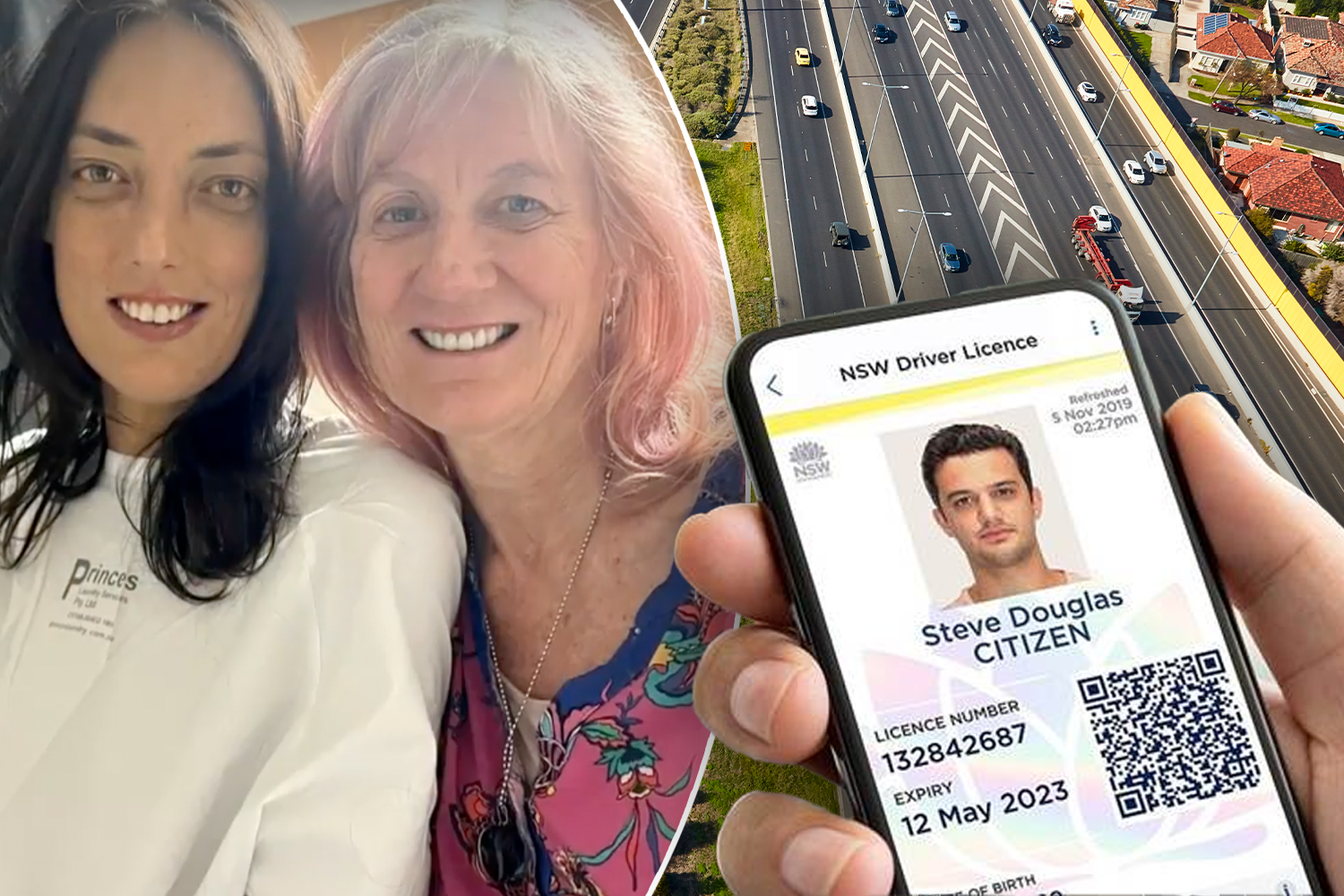
The federal government is increasing its efforts to encourage states and territories to reintroduce organ donor registration through driver’s licence systems. This initiative aims to significantly boost the number of organ donors across the country. The push comes as a Geelong woman who received a life-saving liver transplant shares her story in support of this change.
Maddie Muir was just 23 when she was diagnosed with a rare autoimmune disease that attacks and destroys the liver. At the time, she could “barely get off the couch most days” because she was “so unwell.” Over the years, her condition worsened, leaving her in a critical state and waiting for a transplant. Her family described her life as “on hold,” with the growing toll becoming increasingly evident.
After months on the transplant waiting list, Maddie finally received the phone call that changed her life. Now, she has made a complete transformation.
Victorian woman’s success story sparks national appeal
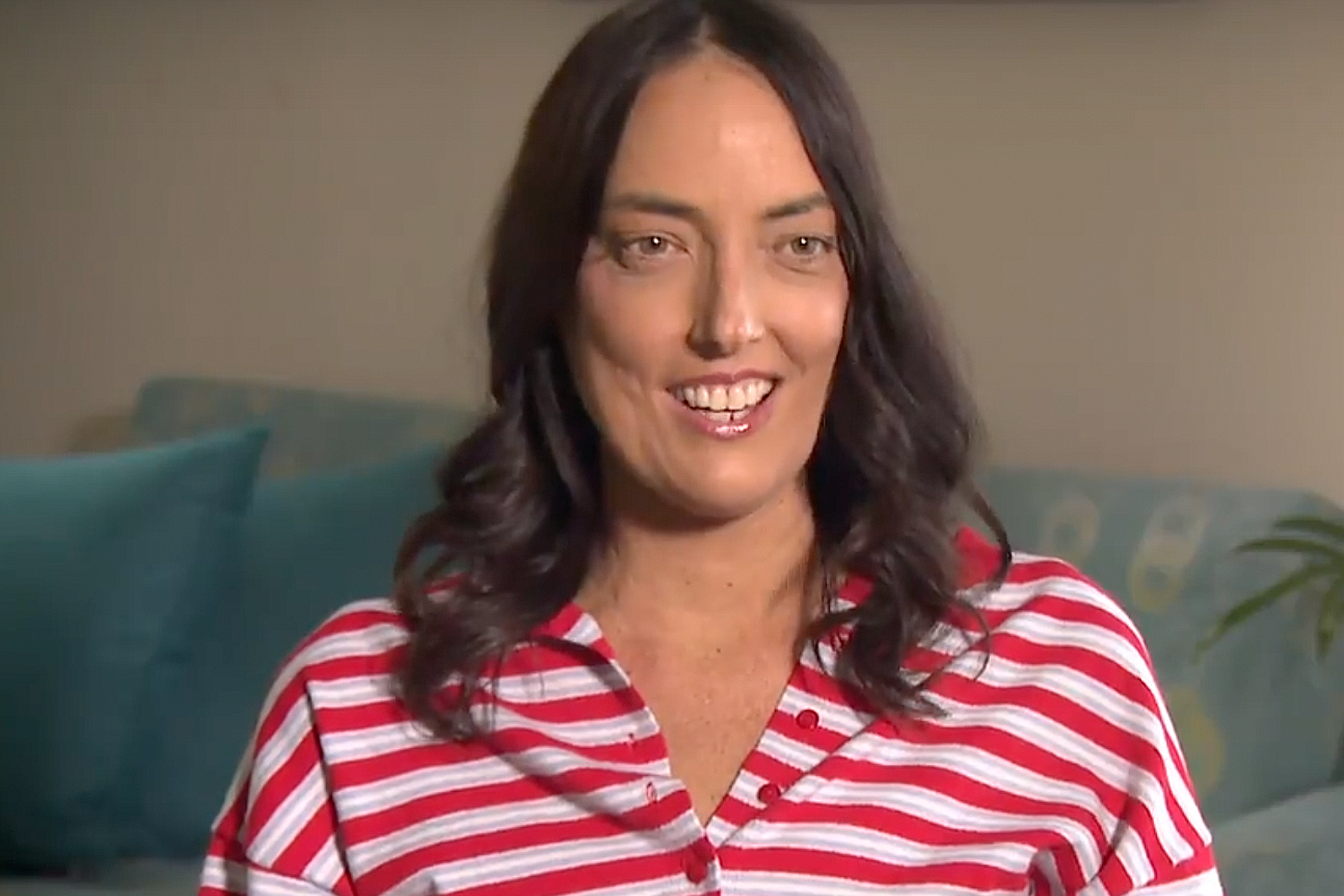
Only weeks after surgery, she says she is feeling better than she has in years. “I feel amazing,” Maddie told 9News. “I can’t wipe the smile off my face — it gives me chills trying to think about how to say thank you to people who have gone on the organ registration.”
Maddie is using her experience to advocate for the licence change she believes will help more people like her. Reintroducing donor registration on driver’s licences “is one method to address organ shortage,” said Dr Roger Lord, Senior Lecturer in Medical Sciences at Australian Catholic University.
“It is a simple, cost-effective change if you only need to have drivers tick the box to indicate willingness to donate,” he had earlier said.
The campaign to simplify donor registration follows concerns over declining sign-up rates since organ donation was removed from driver’s licence systems in every participating state except South Australia in 2002. In South Australia, where it still exists, the registration rate is about 74 per cent. That’s compared with the national average of about 35 per cent.
Currently, Australians must register through Medicare or DonateLife. However, the federal government is pushing states and territories to make it as easy as possible for people to register.
States and territories urged to follow SA’s lead
South Australian Health and Wellbeing Minister Blair Boyer said it’s a simple change that could make an overwhelming difference on a national scale.
“South Australia is proud to be leading the way on organ and tissue donation, and we believe the evidence makes a strong case for national adoption,” he said.
“Including organ and tissue donation on drivers’ licences removes barriers and prompts people to make a decision at a familiar and trusted point in their lives. South Australia’s registration rate of 74 per cent speaks for itself. This is a straightforward reform that we believe should be adopted nationally.”
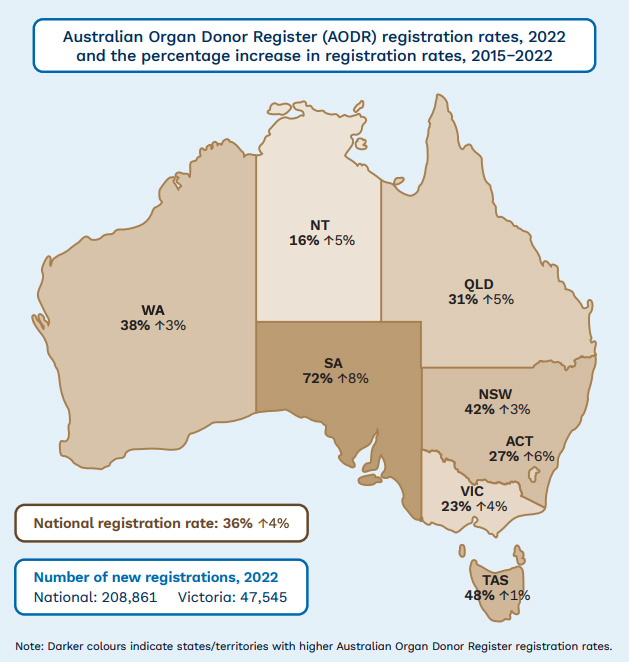
Queensland and Victoria are considering changes to increase the number of organ donor registrations. Discussions are also being held with Queensland Health, the state’s Customer Service Minister Steve Minnikin confirmed. The Northern Territory and ACT never had the scheme.
In 2025, there were 147,969 new registrations on the Australian Organ Donor Register (AODR). This is 15 per cent less than 2024, according to DonateLife.
For Maddie, the debate is about giving others the same chance she received. “We all deserve a second chance,” she said.
Quick statistics on organ donation
- Only two per cent of people who die in Australian hospitals meet the criteria to donate their organs
- 2,000 Aussies are waiting for organ transplants
- An additional 14,000 people are on dialysis for kidney failure
You can also follow us on
Facebook
,
Instagram
,
TikTok
,
X
and
YouTube
.