New SUV Plans for BYD’s Luxury Division in Australia
BYD, the Chinese automotive giant, is expanding its presence in the Australian market through its emerging luxury division, Denza. One of the most anticipated additions to this lineup could be a smaller, car-derived SUV aimed at urban buyers rather than off-road enthusiasts.
A smaller and more affordable Denza SUV is expected to join the existing models, such as the B5 and B8, which are designed for off-road capabilities. This new model is likely to be part of the Denza range and would compete with other electric vehicles in the mid-size segment.
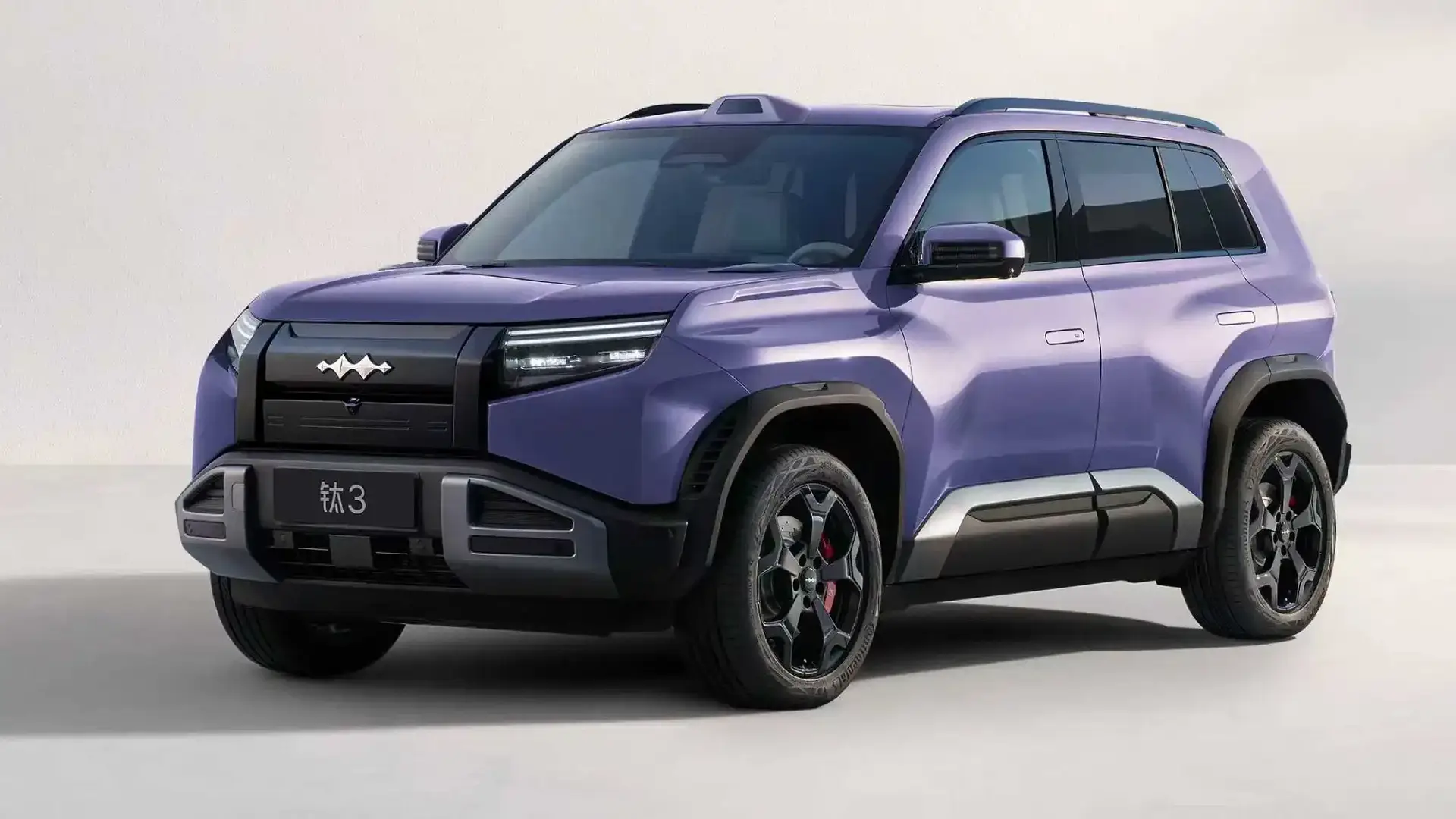
Previewing the Tai 3
Last month, Denza previewed plans to introduce the Tai 3, a mid-size electric SUV from its Fangchengbao brand in China. This model, known as the B3 in export markets, could potentially serve as a competitor to vehicles like the Zeekr 7X and European electric cars such as the Audi Q4 e-tron and BMW iX1.
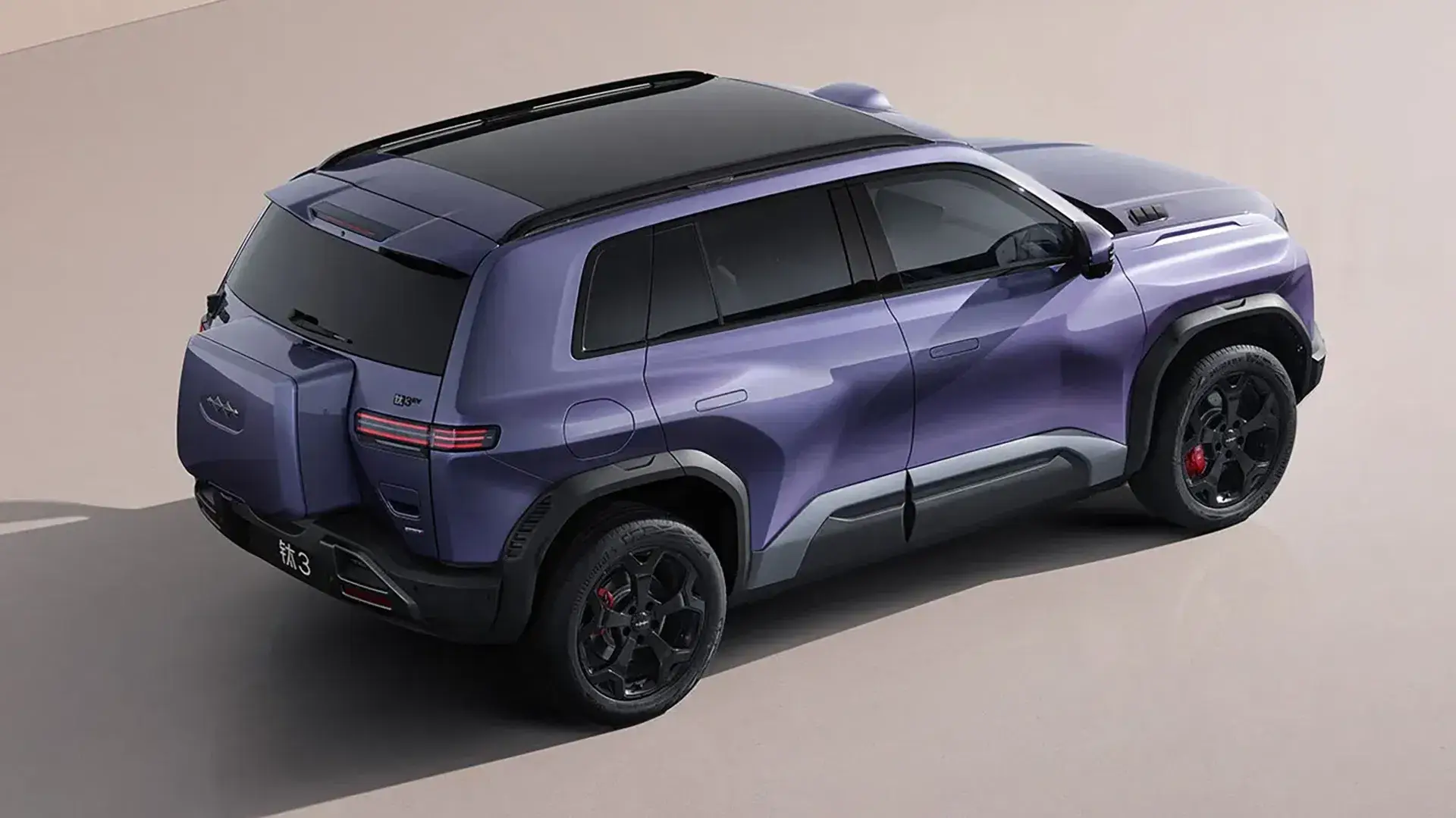
Mark Harland, Denza Australia’s chief operating officer, mentioned that while the B3 is not currently available for local showrooms, a vehicle similar to it is high on the wish list. He emphasized the importance of volume in the market, stating that a small SUV would be ideal for increasing sales.
“I certainly have raised my hand for a small SUV,” Harland said. “I don’t know if we’d get the B3 or not, but I think from a volume point of view, if I were to add a volume car – a sports car, it’s nice and fun, but you’re not adding volume – if I said, what I want next is to add the volume, I would say it would be that midsize SUV as a Denza.”
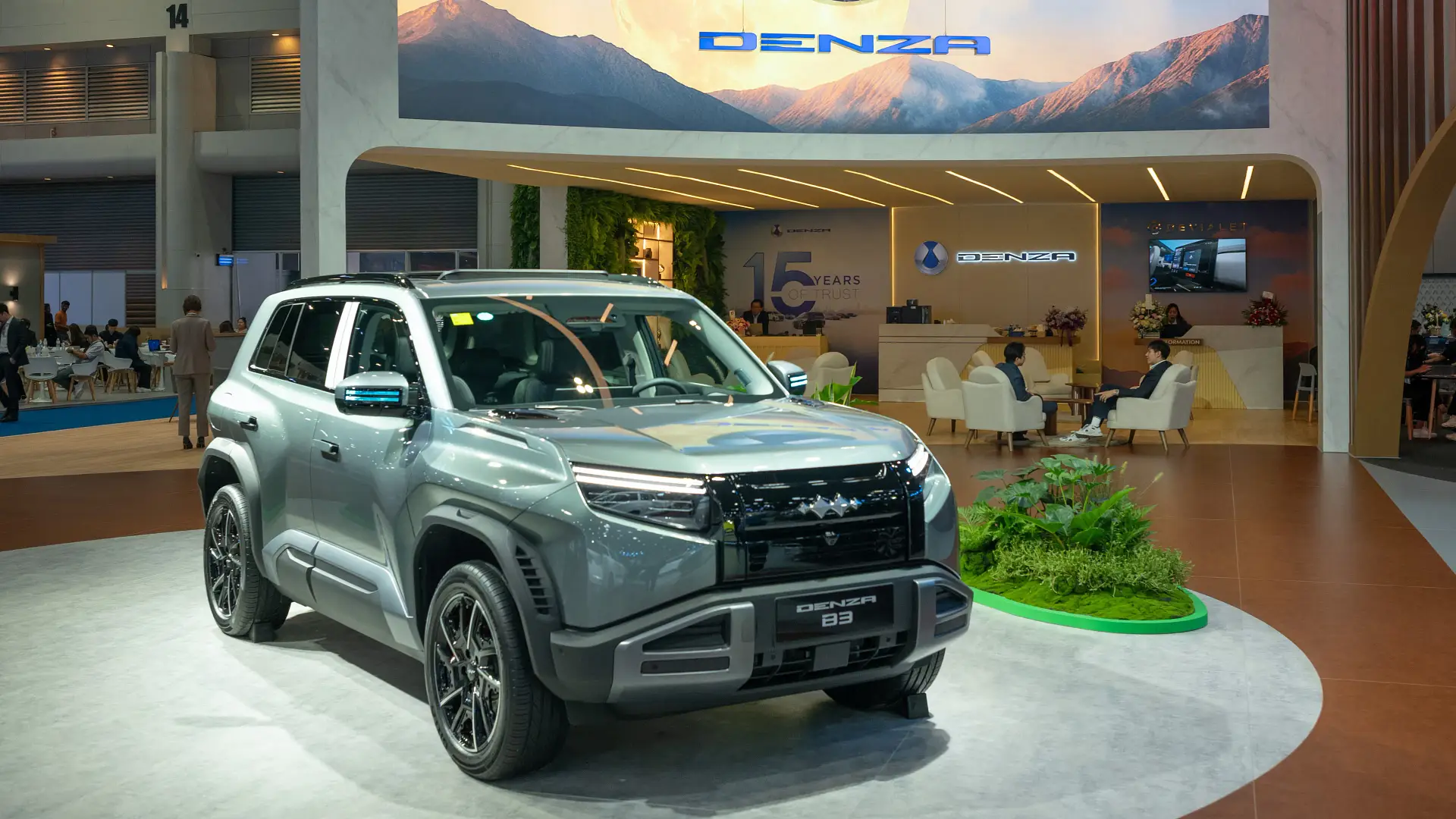
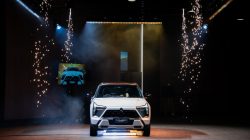
The Tai 3 was recently showcased at the Bangkok motor show, featuring Denza B3 branding. It is available in two variants in China: a rear-wheel drive version with 240kW/305Nm and an all-wheel drive version with 375kW/505Nm. The latter claims a 0-100km/h acceleration time of 4.7 seconds.
Both versions use a 75.6kWh battery pack, offering driving ranges of 620km and 565km based on Chinese CLTC lab testing. These estimates are expected to be lower under the WLTP standards commonly used in Australia.
Charging Capabilities and Pricing
The Tai 3 supports ultra-fast ‘Flash’ charging, allowing the battery to be replenished from 10 to 70 per cent charge in five minutes, or 10 to 97 per cent in nine minutes on a compatible plug.
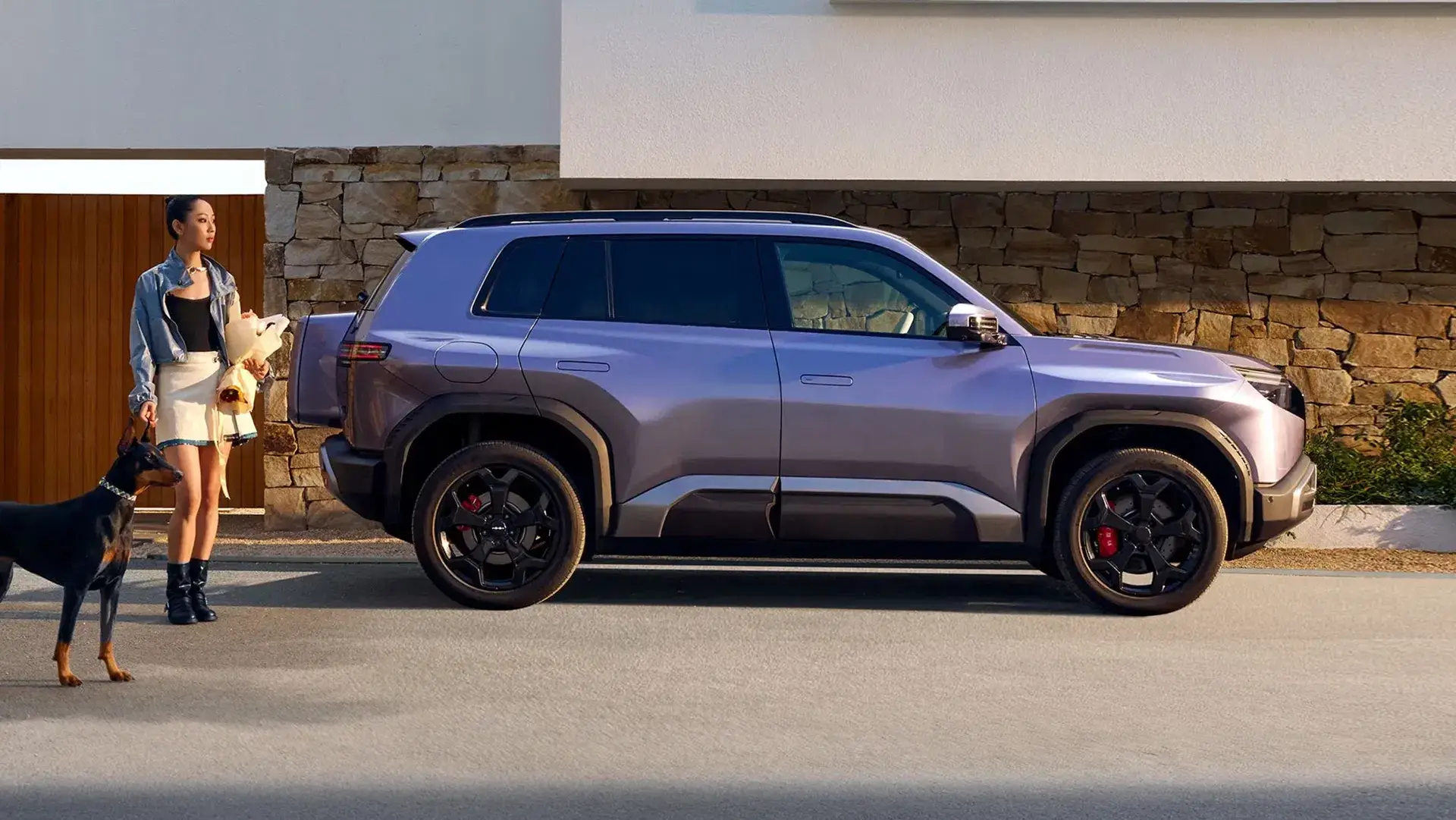
In China, the Tai 3 is priced between 153,800 to 169,800 yuan (approximately AUD$31,200 to $34,400). This is significantly lower than the top-of-the-range Denza B5, which is sold in China as the Fangchengbao Bao 5 plug-in hybrid for 329,800 yuan.
While the potential local price for a B3 in Australia could be as low as $40,000, it is likely to be closer to $50,000 if introduced, considering the regular BYD Atto 3 starts at $39,990 plus on-road costs.
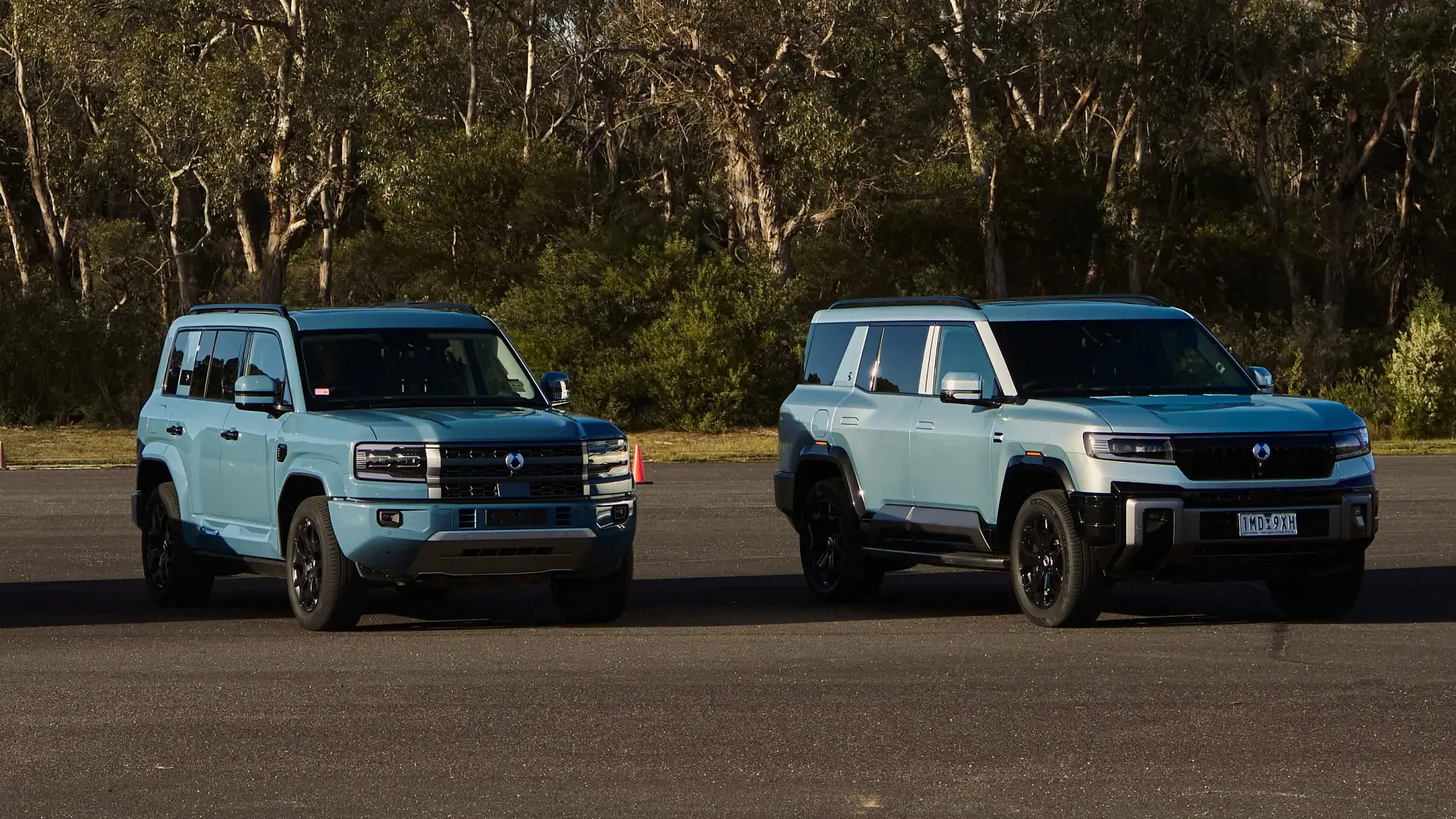
Regardless of the specific model chosen, the smaller SUV from Denza is expected to arrive no earlier than 2027. Mark Harland mentioned that there are plans for more SUVs in the future, starting around 2027.
Expanding the Denza Lineup
This year, Denza will offer the Toyota Prado-sized B5, the larger LandCruiser 300 Series-sized B8, the electric D9 people mover, and the Z9 GT luxury wagon. In China, the Fangchengbao brand also markets the Tai 7, a large SUV that may be exported as a BYD model.
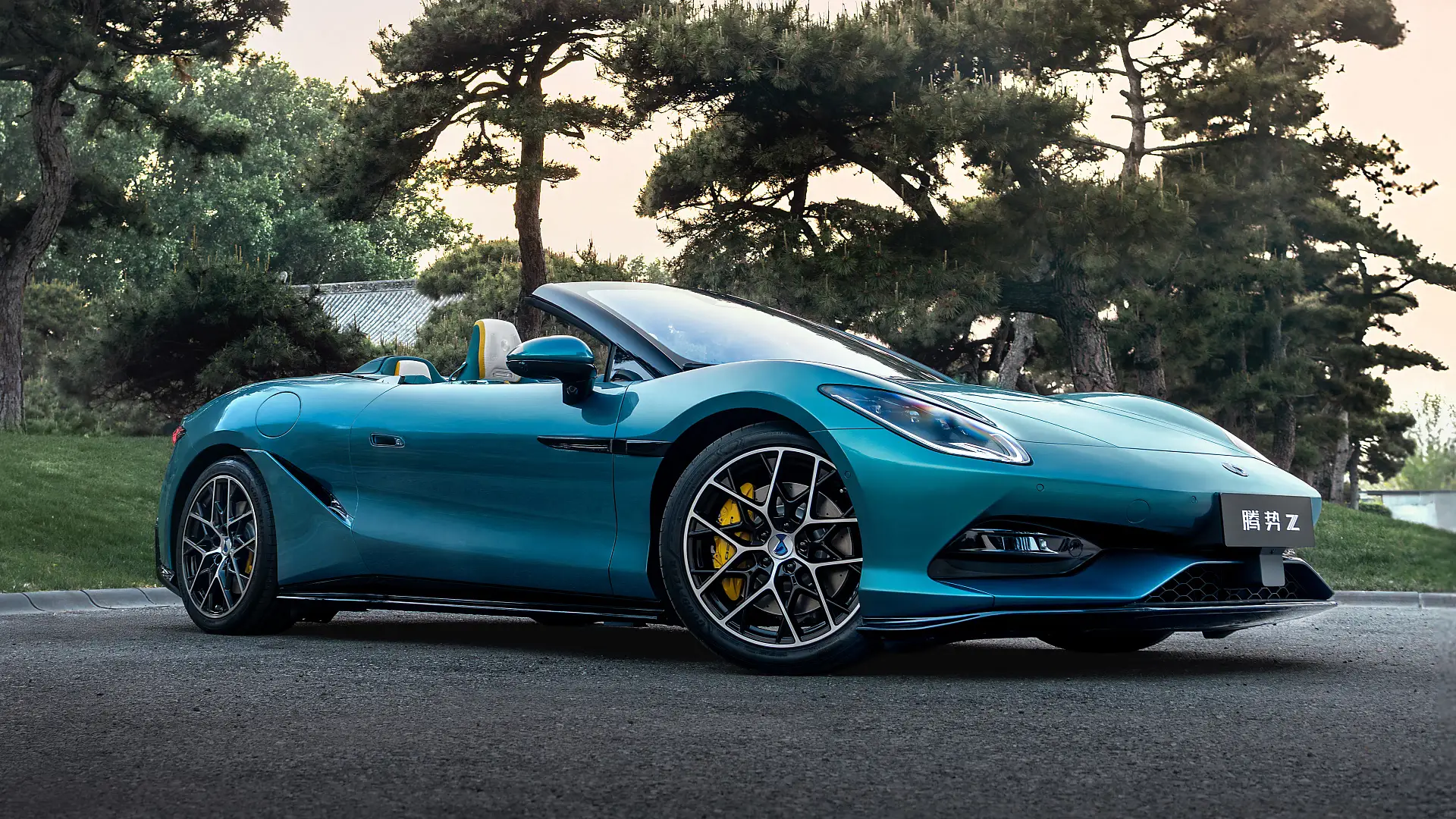
Additionally, the main Denza marque has revealed the two-door Z. Vehicles from the ultra-luxury Yangwang brand, including the U8 off-roader and U9 supercar, are also planned for the future. However, these high-end models are not expected to arrive in Australia soon.
One of the 30 planned examples of the U9 Xtreme, the world’s fastest production car estimated to cost close to $1 million, has been ordered by Australian billionaire Nick Politis for import to Australia. However, it will be left-hand drive.
Future Plans and Expansion
Harland expressed his desire for a proper sports car, noting that access to such vehicles could come as Denza’s sales volume, footprint, and service capabilities grow. He emphasized the need to expand the dealer network, processes, and systems before introducing more vehicles.
“I just need to expand that dealer footprint, the processes and the systems, hire new staff, training of people, all of that stuff. I’ve got to get that infrastructure in place,” Harland said.