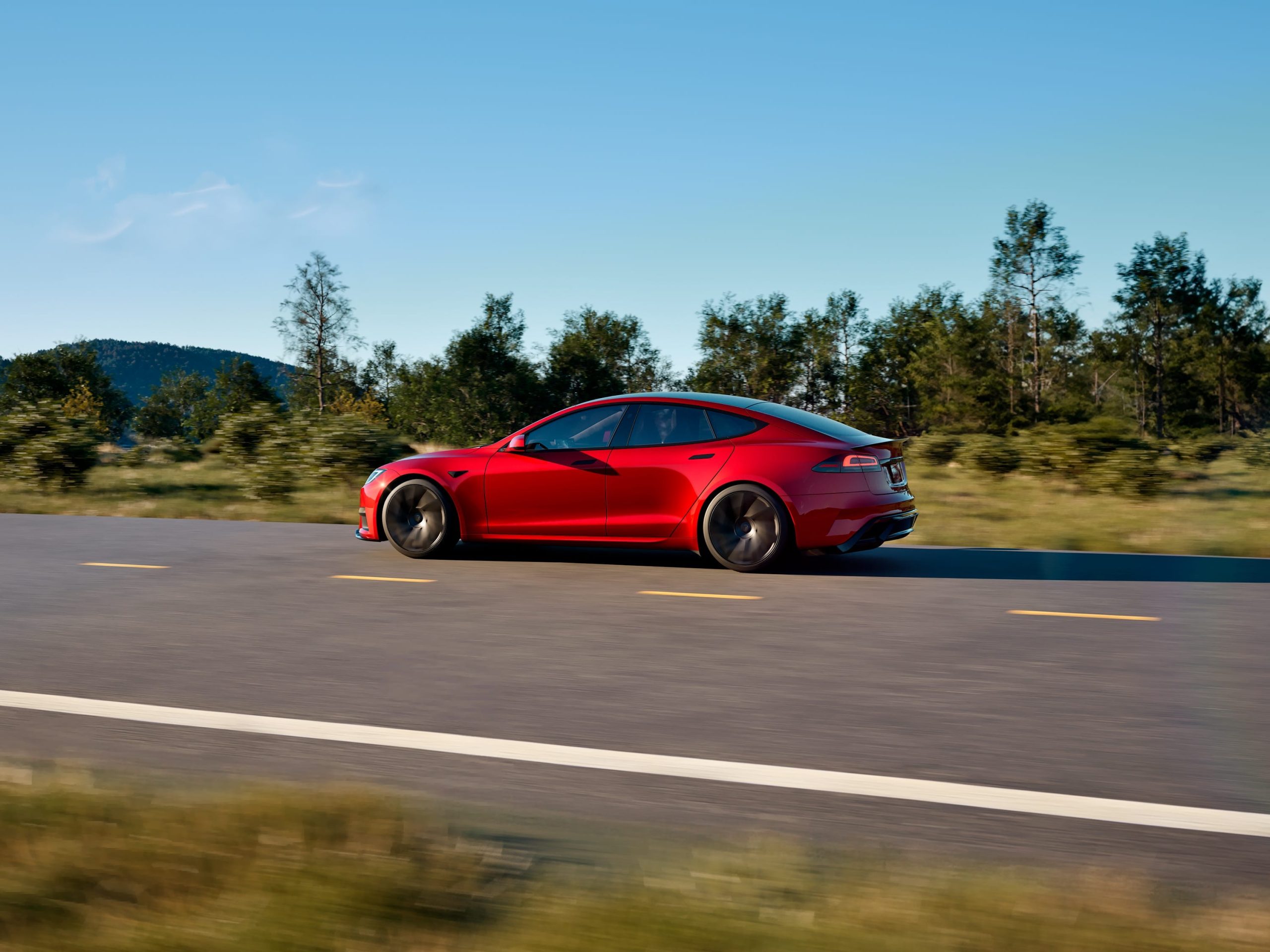
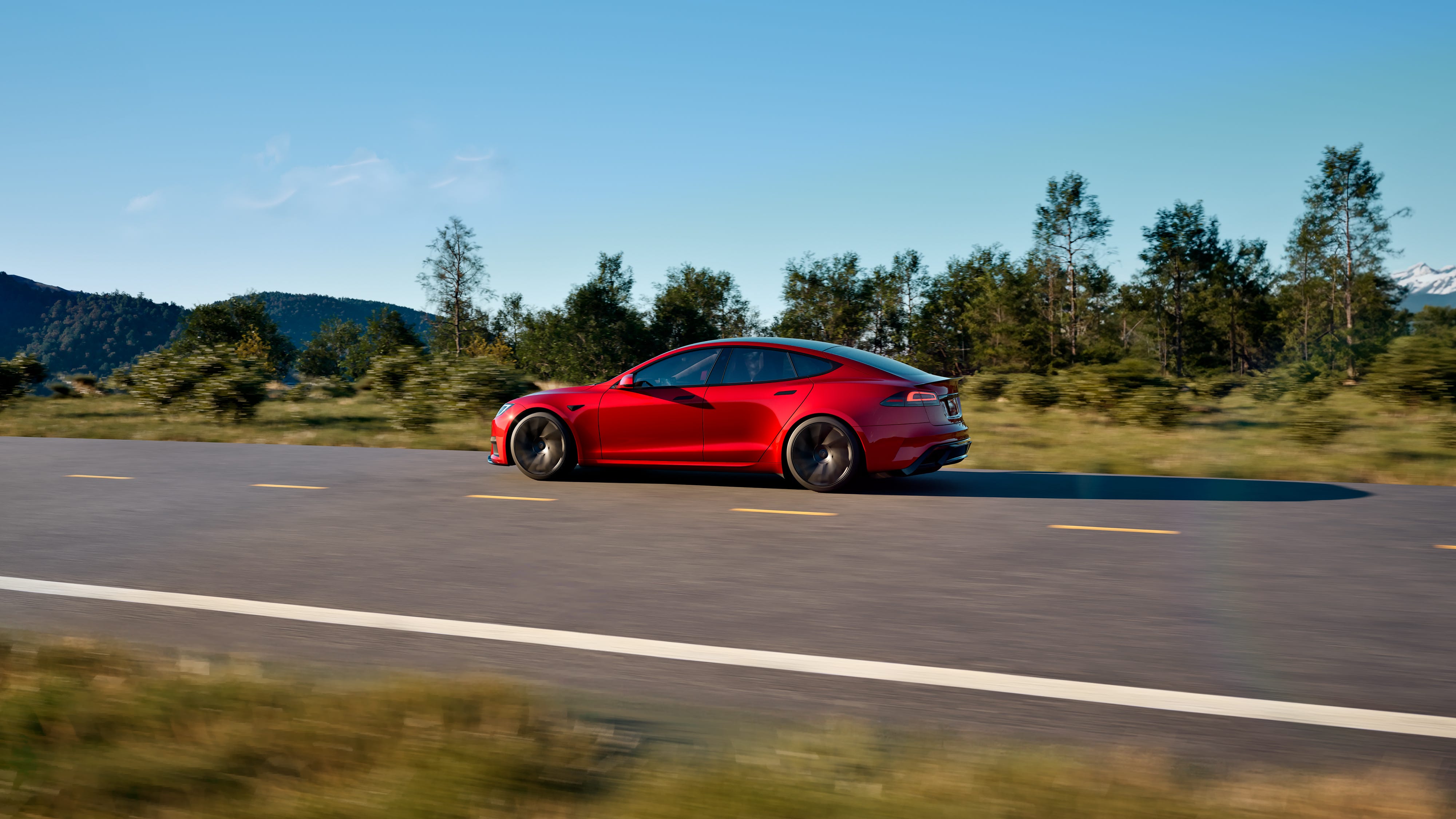
The End of an Era for Tesla’s Model S and Model X
Tesla has officially announced the production of its final Model S and Model X units, marking the end of 14 years of Model S manufacturing and 11 years of Model X production. This milestone not only signals the conclusion of a significant chapter in the company’s history but also highlights the evolving direction of Tesla as it shifts focus towards automation and robotics.
The Model S and Model X played a crucial role in transforming Tesla from a niche startup into the leading electric vehicle (EV) manufacturer in the United States. These models helped establish Tesla as a brand that blends innovation with style, setting new standards for what electric cars could achieve.
From Niche to Mainstream
Before the introduction of the Model S in 2012, electric vehicles were often seen as utilitarian rather than desirable. They were typically associated with limited range, unattractive designs, and sluggish performance. The Model S changed this perception by offering a combination of high performance, long-range capabilities, and advanced software features that continued to improve over time.
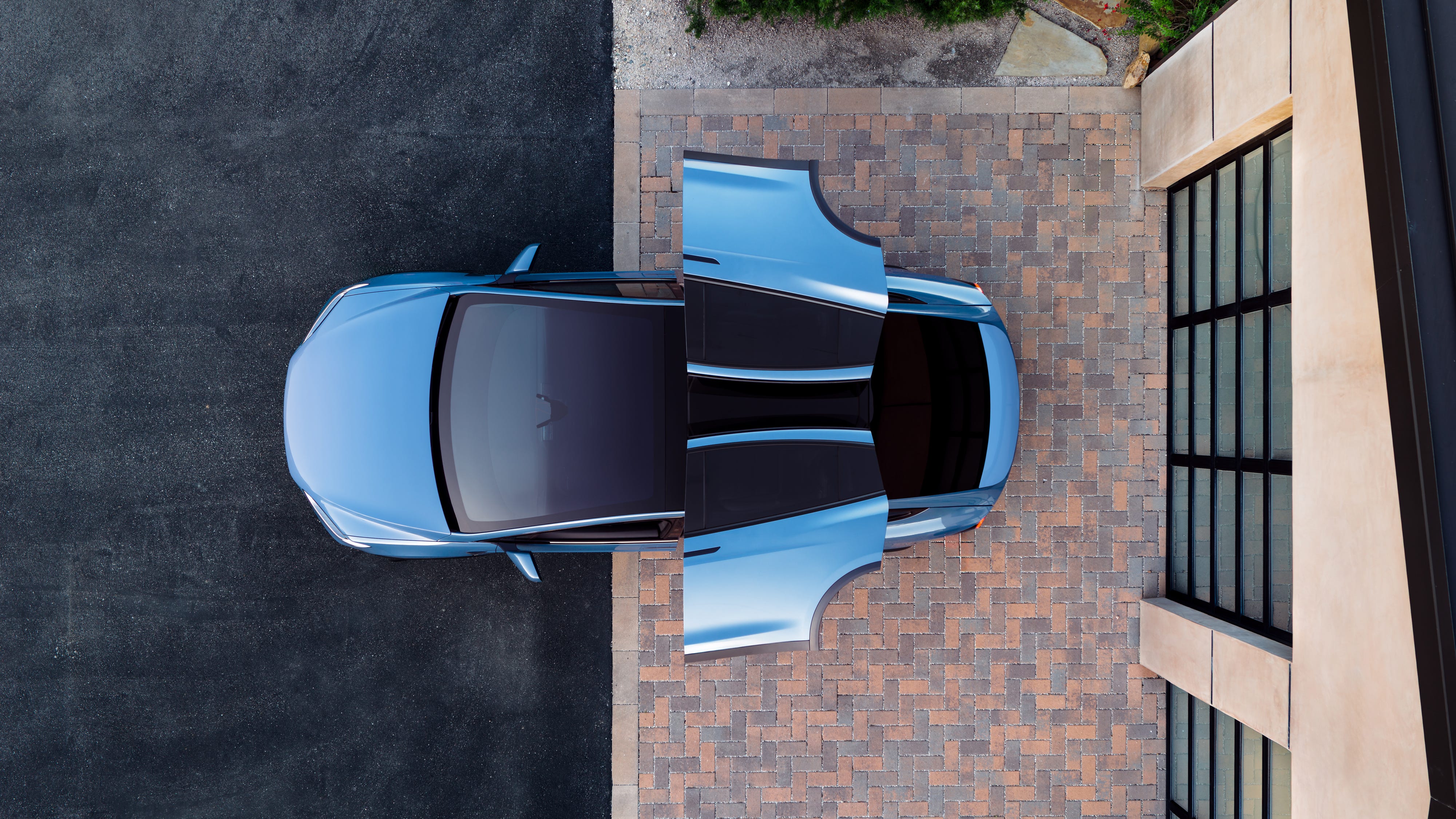
This sedan quickly became a symbol of status in Silicon Valley, with celebrities like Steven Spielberg and Jay Leno owning one. The Model X, launched in 2015, further solidified Tesla’s reputation as a brand that was both futuristic and innovative. Its unique falcon wing doors became a signature feature, although they also posed significant manufacturing challenges.
A Legacy of Innovation
Together, the Model S and Model X helped position Tesla as a leader in the EV market. Their success paved the way for other automakers to invest heavily in electric vehicles, pushing the industry towards a more sustainable future. Although these models were eventually overshadowed by the more affordable Model 3 and Model Y, their impact on the automotive landscape remains undeniable.
The discontinuation of the Model S and Model X also reflects a broader shift in Tesla’s strategy. Rather than focusing solely on traditional vehicle sales, the company is now investing heavily in artificial intelligence, autonomous driving, and robotics. This transition is evident in Tesla’s plans to repurpose its Fremont factory into an assembly plant for its humanoid robot project, Optimus.
The Future of Tesla
Elon Musk has stated that the Optimus robot could enter production by the end of the year, signaling a bold move towards a future where automation plays a central role in everyday life. This shift underscores Tesla’s ambition to not only revolutionize the automotive industry but also to explore new frontiers in technology and robotics.
As Tesla continues to evolve, the legacy of the Model S and Model X will remain an important part of its history. These vehicles helped shape the company’s identity and set the stage for its future endeavors. While their production has come to an end, their influence on the electric vehicle market and the broader automotive industry will be felt for years to come.
A New Chapter for Tesla
With the Model S and Model X retired, Tesla is now looking ahead to the next phase of its journey. The company’s focus on AI, autonomy, and robotics represents a significant departure from its traditional approach to vehicle manufacturing. This strategic shift is likely to redefine the future of transportation and beyond.
As Tesla moves forward, it will be interesting to see how these new initiatives shape the company’s trajectory and impact the broader tech and automotive industries. The road ahead may be uncertain, but one thing is clear: Tesla is determined to continue pushing the boundaries of what is possible.
Conclusion
The end of the Model S and Model X production marks a significant moment in Tesla’s history. These vehicles played a pivotal role in establishing the company as a leader in the electric vehicle market and inspiring a new era of innovation. As Tesla looks to the future, it is clear that the company is committed to exploring new technologies and redefining the possibilities of what electric vehicles can achieve.