Testing the Fuel Efficiency of the Updated Nissan Qashqai e-Power
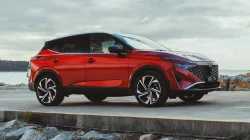
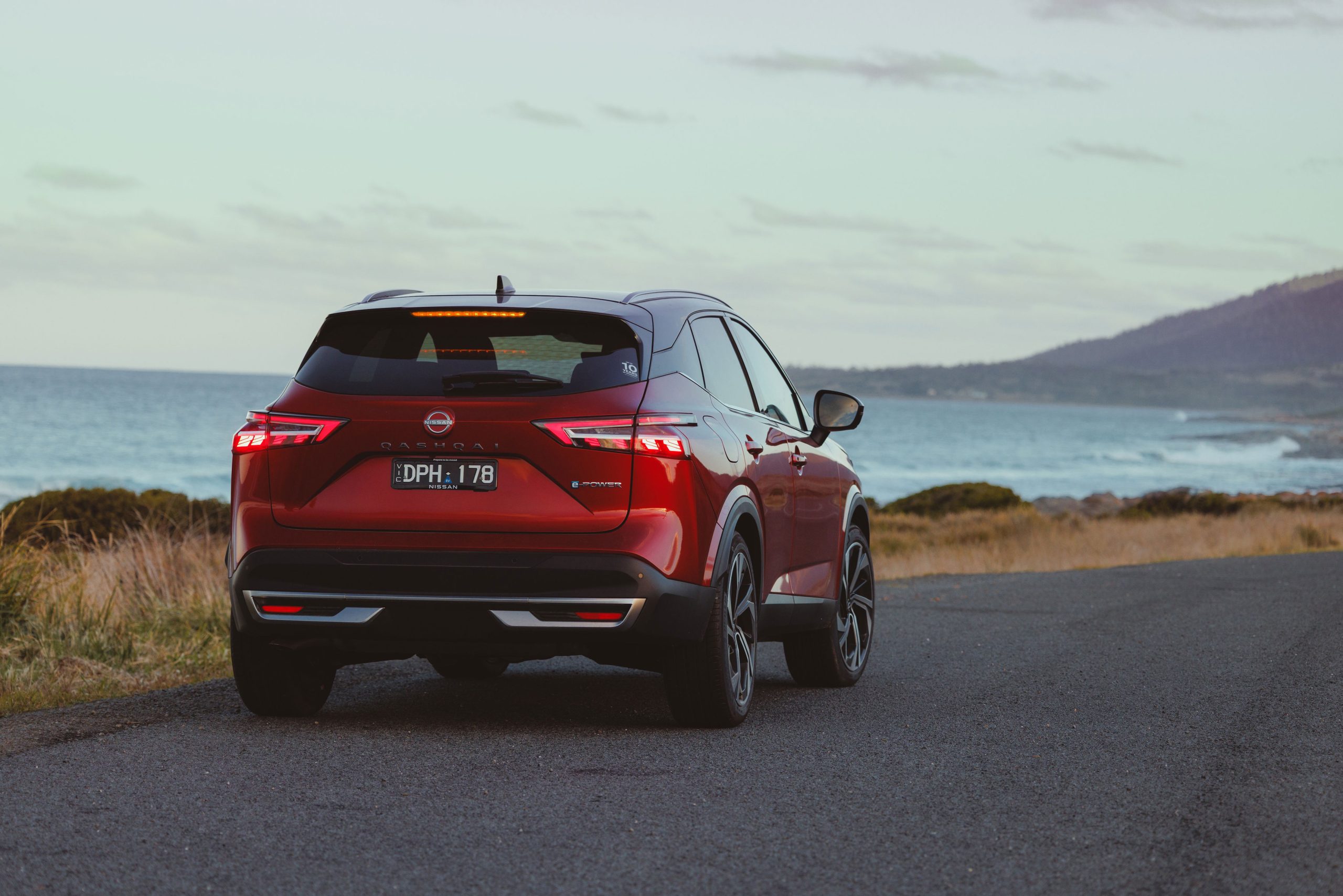
Nissan has put its updated Qashqai e-Power to the test, focusing on its fuel economy. The small hybrid SUV managed to circumnavigate Tasmania and covered just over 1300km on a single tank of fuel. This challenge was undertaken earlier this year, with Nissan Australia filling up a Qashqai e-Power in Geelong, loading it onto the Spirit of Tasmania to sail to Devonport, and then driving around the island.
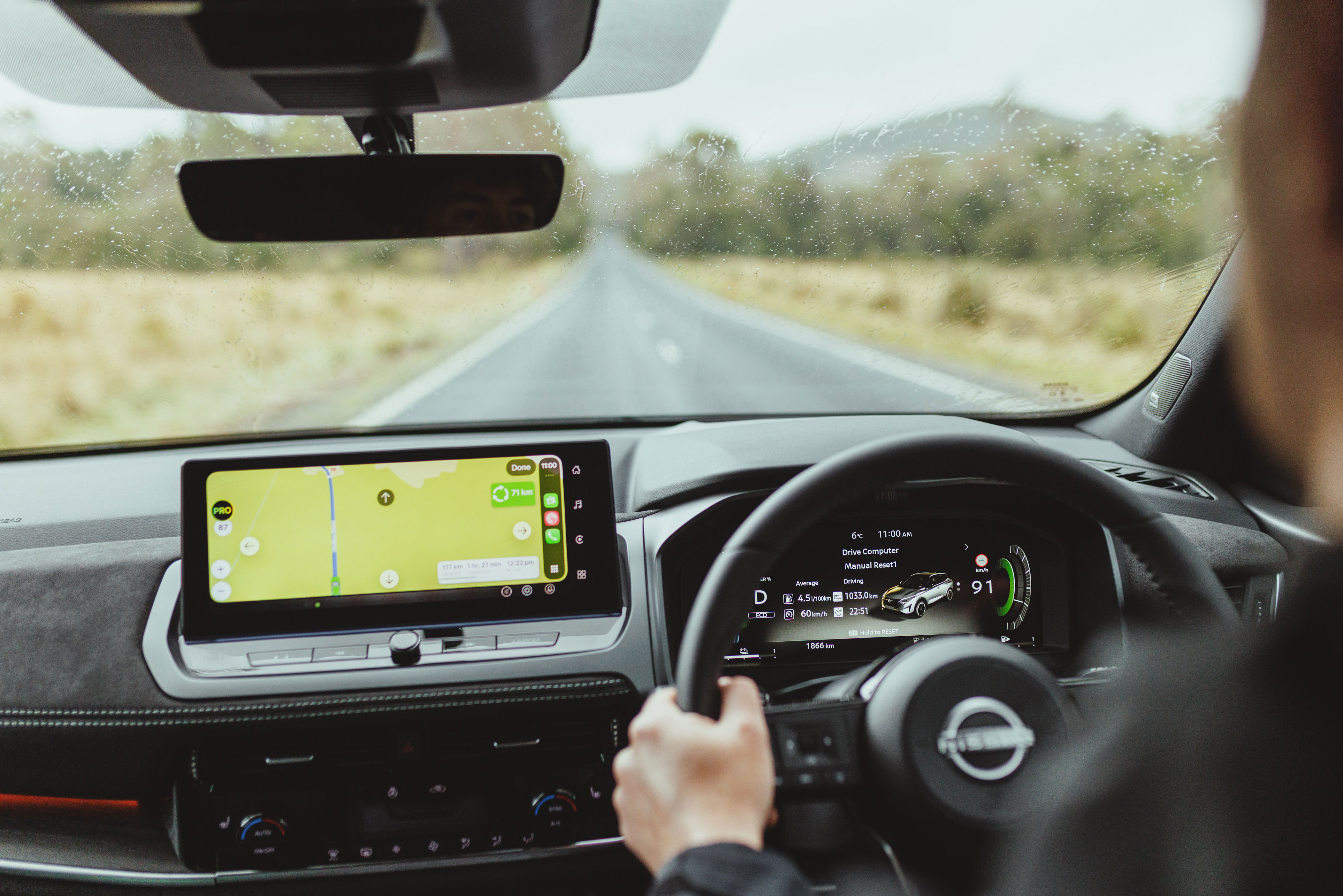
The goal was to complete a full circumnavigation of Tasmania without stopping to refill its 55-litre tank. After driving 1209.2km, the vehicle averaged a fuel consumption of 4.5L/100km. This is slightly higher than the official claim of 4.1L/100km but still impressive given the mix of freeways, hill climbs, and urban roads encountered during the journey.
After completing the trip, Nissan reboarded the ferry back to Geelong and continued driving until reaching 1303km before refuelling. At that point, the average fuel consumption remained at 4.5L/100km. Steve Milette, managing director of Nissan Oceania, commented on the significance of the journey. He stated, “This trip isn’t laboratory testing, this is the real world and real conditions, completing a dream lap of Tasmania that so many Australians have either done, or would love to.”
He added, “Now more than ever Australian drivers are looking for fuel efficiency that doesn’t compromise driving enjoyment, and this 1300km real-world journey shows that the Nissan Qashqai e-Power delivers.”
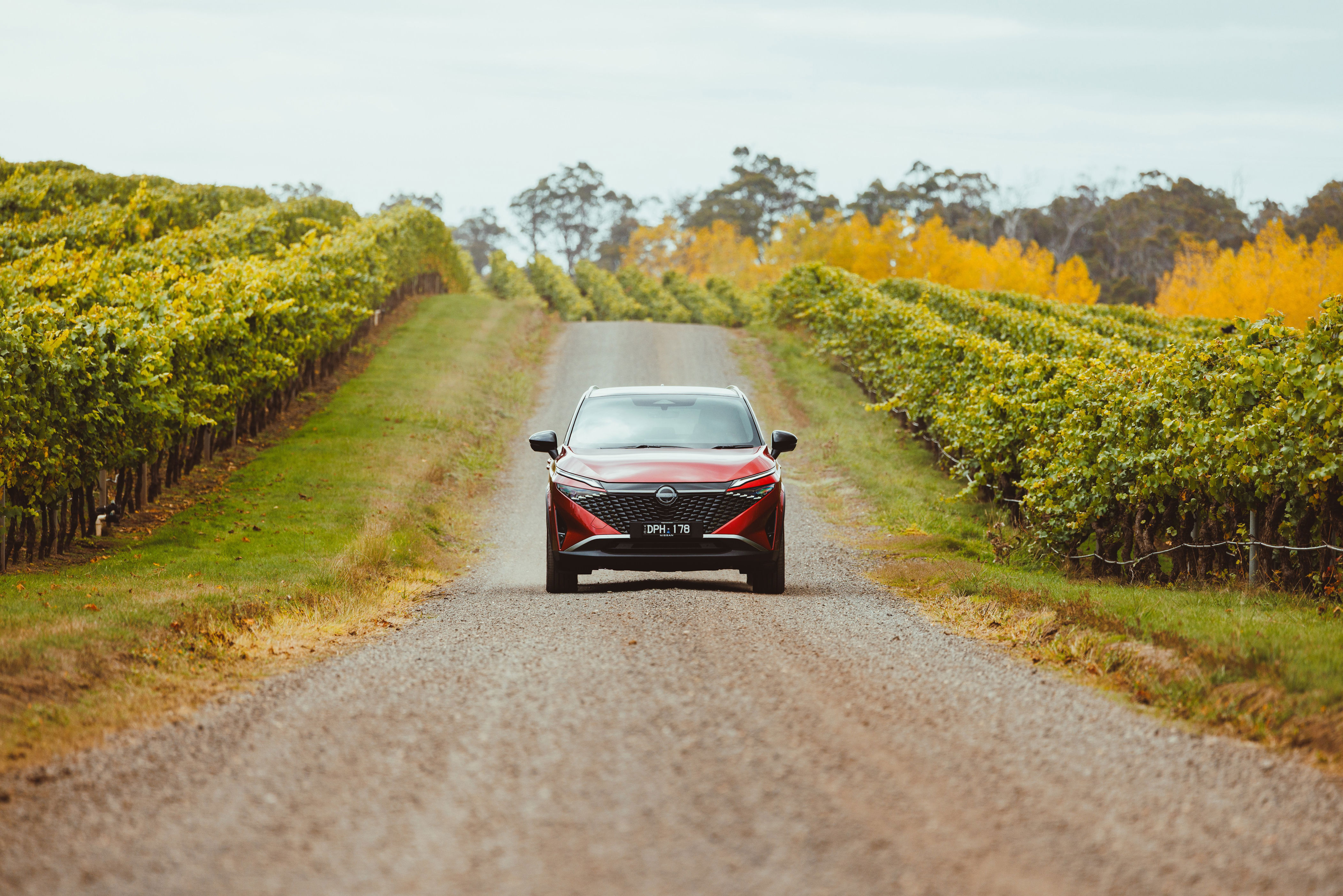
Nissan Australia launched the updated Qashqai earlier this year, making a significant change by removing all petrol-powered variants. This move resulted in a price increase of around $11,000 for the base model, although a more affordable ST-L e-Power variant was introduced. All Qashqais sold in Australia are now powered by a new generation of its e-Power series-hybrid system.
The system features a redesigned turbocharged 1.5-litre three-cylinder petrol engine, which acts as a generator to produce electricity for the battery and electric motor. Unlike traditional systems, the petrol engine does not directly send drive to the wheels; instead, the electric motor handles this task.
Nissan claims that its new ‘5-in-1’ powertrain architecture integrates the electric motor, generator, inverter, increaser, and reducer into a single unit. This design reduces weight and complexity while improving efficiency. Combined-cycle fuel consumption has been reduced from 4.8 to 4.1L/100km, and CO2 emissions have dropped from 112 to 92g/km. Additionally, the upgraded Qashqai’s cabin is claimed to be 5.6dB quieter than before.
The more efficient powertrain makes the Qashqai e-Power one of the most fuel-efficient small hybrid SUVs on the Australian market. It narrowly trails the Toyota C-HR (4.0L/100km) and the Hyundai Kona (3.9L/100km).
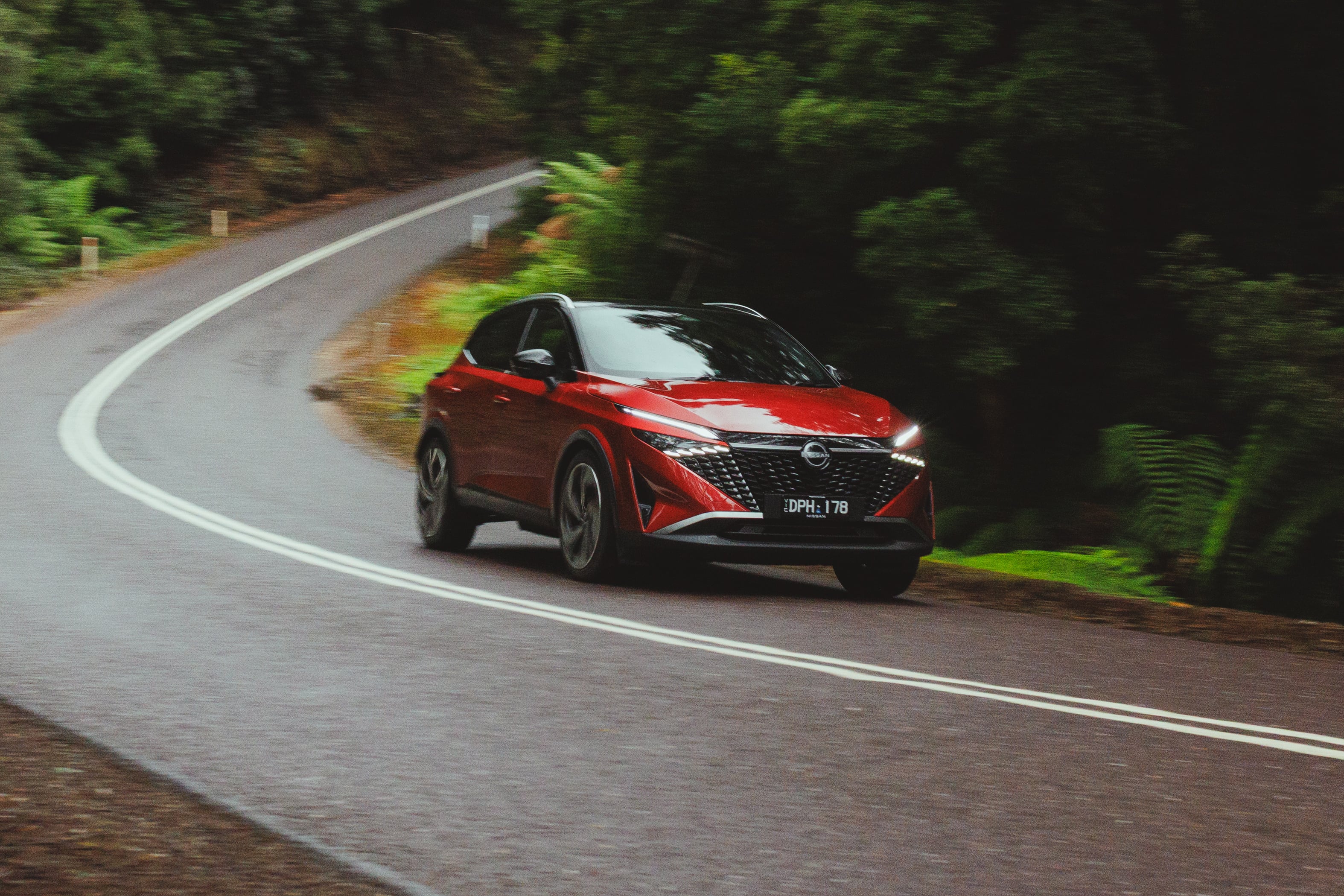
However, the Kona is available at a considerably lower price than the Qashqai. The Qashqai starts at $45,640 before on-road costs in ST-L trim, while the cheapest Kona is priced at $39,650 before on-roads. Here is a breakdown of the Qashqai e-Power models:
- 2026 Nissan Qashqai ST-L e-Power – $45,640
- 2026 Nissan Qashqai Ti e-Power – $49,640
- 2026 Nissan Qashqai Ti-L e-Power – $53,640
- 2026 Nissan Qashqai N-Design e-Power – $54,140

Explore the Nissan Qashqai showroom to learn more about the latest models and their features.