The Rise of Affordable Electric Vehicles
For years, the electric car market has faced a significant challenge: the availability of appealing vehicles that are also affordable. While there have been impressive high-end EVs, fast EVs, luxury EVs, and even seven-seat EVs, the small, affordable electric car that could genuinely attract buyers from traditional models like the Ford Fiesta, Volkswagen Polo, Vauxhall Corsa, or Renault Clio has taken longer to arrive.
This is beginning to change, and the next 12 months could be crucial for the electric car market to become more interesting for everyday drivers.
The Magic Number: £25,000
The magic number seems to be around £25,000. While this isn’t cheap, it’s where things start to feel more realistic in new car terms. Especially when you consider that a fairly ordinary petrol supermini can now easily cost over £20,000, and a well-specced one can push well beyond that.
The Renault 5 has already shown what can happen when a car company remembers that small cars can be desirable. It looks great, has a lovely bit of retro charm, comes with a sensible electric range, and starts from just over £21,000 with government support through the Electric Car Grant.
More importantly, the 5 doesn’t feel like a budget EV with the interesting bits taken out. It feels like a car people might actually want, rather than one they buy only because the maths says they should.
New Competitors Arrive
Now, the competition is arriving. Volkswagen is preparing its ID. Polo, which is exactly the sort of car many buyers have been waiting for. The Polo name still means something in Britain: solid, sensible, easy to recommend, and easy to live with. VW has been talking about a European starting price of €24,995, which points to a likely UK price somewhere in the mid-£20,000s when it arrives here. That puts it directly in the path of the Renault 5.
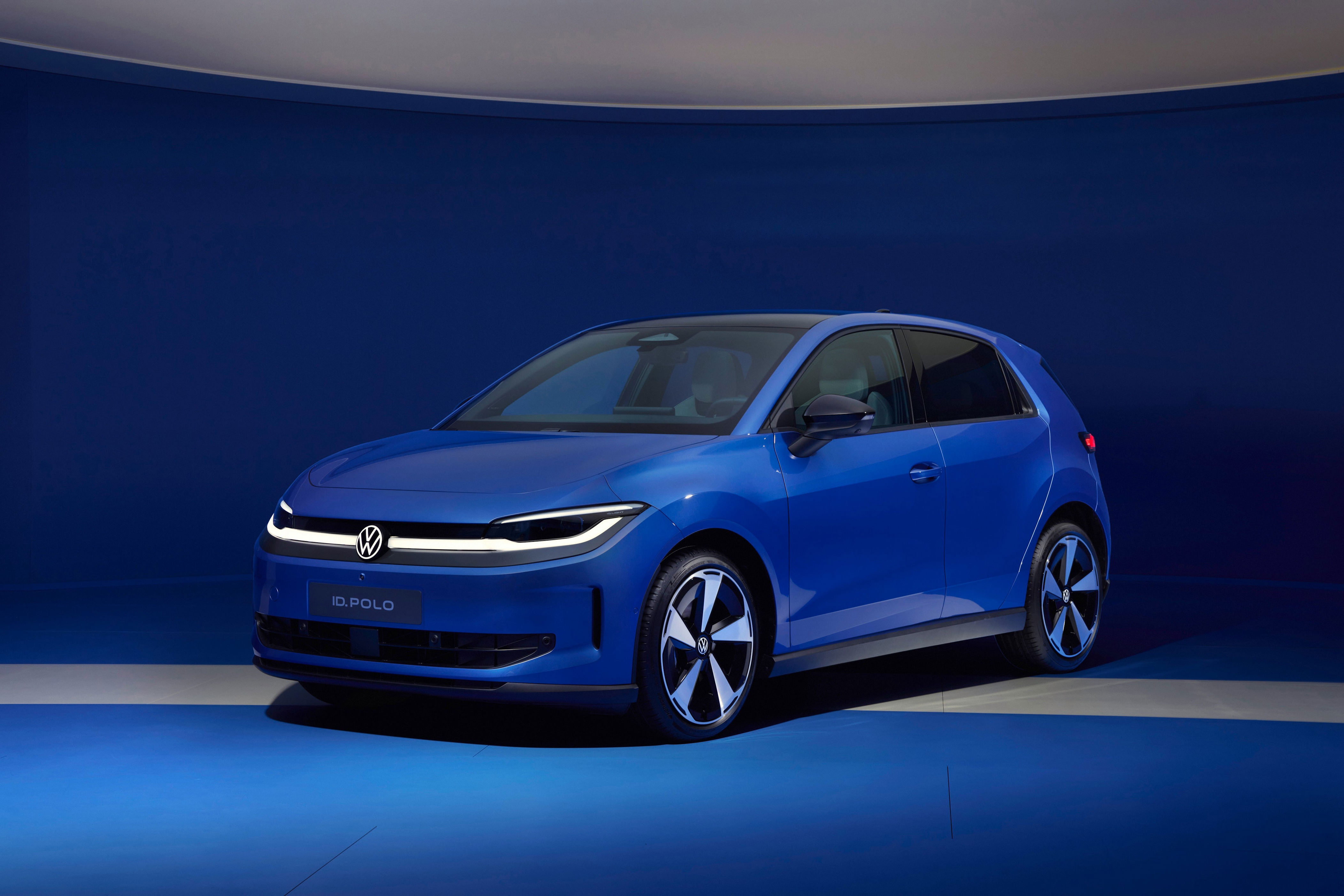
This isn’t just a city car with a tiny battery and a very optimistic range figure. The ID. Polo is expected to offer up to around 280 miles, depending on battery and specification, which is the sort of number that starts to make EV ownership feel less compromised. For many drivers, that’s more than enough for the weekly commute, school runs, shopping trips, and a weekend away without becoming obsessed with charging.
However, important though the ID. Polo is, it’ll probably be outsold by the ID. Cross – a more upright, SUV-like model that won’t cost a whole lot more and shares much with the Skoda Epiq. That’s another small, more affordable model that I’ve already sampled in prototype form.
Then there’s the Cupra Raval, which should bring a bit more attitude to the affordable end of the market. Cupra has built its brand on looking a little sportier and feeling a little more interesting than the mainstream alternatives, and the Raval is aimed squarely at the Renault 5. Prices start at £23,785, putting down a marker for the Polo. That means the Raval could be one of the more tempting small EVs if it delivers the right mix of style, range, and finance deals.
Other Players in the Market
Hyundai is also getting involved with the Ioniq 3, a compact electric hatchback that should sit below the Ioniq 5 and Ioniq 6. Hyundai has been very good at making EVs feel grown-up, efficient, and easy to live with, and the Ioniq 3 could be a very important car if it lands at the right price. Early indications suggest a range of up to 308 miles, which would be impressive for a smaller family EV.
And that’s before you get to cars like the Citroen e-C3, Fiat Grande Panda, Vauxhall Frontera, Kia EV2, and the new Renault Twingo, which is expected to arrive in the UK in early 2027 with a price below £20,000. The Dacia Spring and Leapmotor T03 are already showing how low prices can go, although both come with compromises that won’t suit everyone.
What Makes an Electric Car Truly Accessible?
For electric cars to move beyond early adopters, company car drivers, and people with driveways and solar panels, they need to become easier to understand and easier to afford. Range will still matter, but perhaps not as much as people think. A small EV with 200 to 250 real-world miles will be more than enough for many households, especially as a second car. Charging speed matters too, but so does efficiency, because a small, light EV should use less electricity and cost less to run.
The other big question is finance. A £25,000 list price is useful, but monthly payments are what most buyers really look at. If car makers can make these smaller EVs genuinely competitive on PCP or lease deals, the market could shift quickly.
That’s why this new wave feels significant. We’re moving away from the idea that EVs have to be expensive tech statements and towards something much more useful: small, stylish, clever cars that just happen to be electric.
For years, the question has been when affordable EVs would really arrive. In 2026 and 2027, we may finally get the answer.