
Payday: How to Spend Wisely and Avoid Impulsive Purchases
Have you been eagerly awaiting it? Payday has finally arrived! But this unexpected windfall doesn’t necessarily mean you have to spend every last penny, no matter what! There are ways to avoid wasting your money needlessly without giving up the fun. Making smarter purchasing decisions and creating a balanced budget are key to spending wisely without depriving yourself. For example, pay with cash instead of your credit card, or pay your bills before heading to the store.
Discover the 10 best tips for avoiding impulsive spending in this article.
1. Apply the 10% Rule

Setting up an automatic transfer as soon as you receive your paycheck is one of the most effective ways to avoid impulse spending. By automating your savings, you remove the temptation before it even arises: the money “disappears” into your savings account before you have a chance to spend it. This simple step creates lasting discipline, without mental effort or repeated decisions. You thus build a financial cushion on a regular basis, regardless of your current circumstances. It’s a strategy that turns saving into a habit… and your purchases into truly thoughtful choices.
2. Cook More

Food delivery and takeout can really eat into your budget, often without you even realizing it. A coffee here, a sandwich there, a frozen meal “just to tide you over”… and your monthly bill skyrockets. These are convenient purchases, to be sure, but they’re terribly expensive. By planning your meals and preparing a few dishes in advance, you can drastically cut down on these hidden expenses. Cooking at home not only saves money but also gives you better control over what you eat, the quality of the ingredients, and portion sizes. A little organization goes a long way toward lightening your budget… and improving your daily life.
3. Pay in Cash Whenever Possible

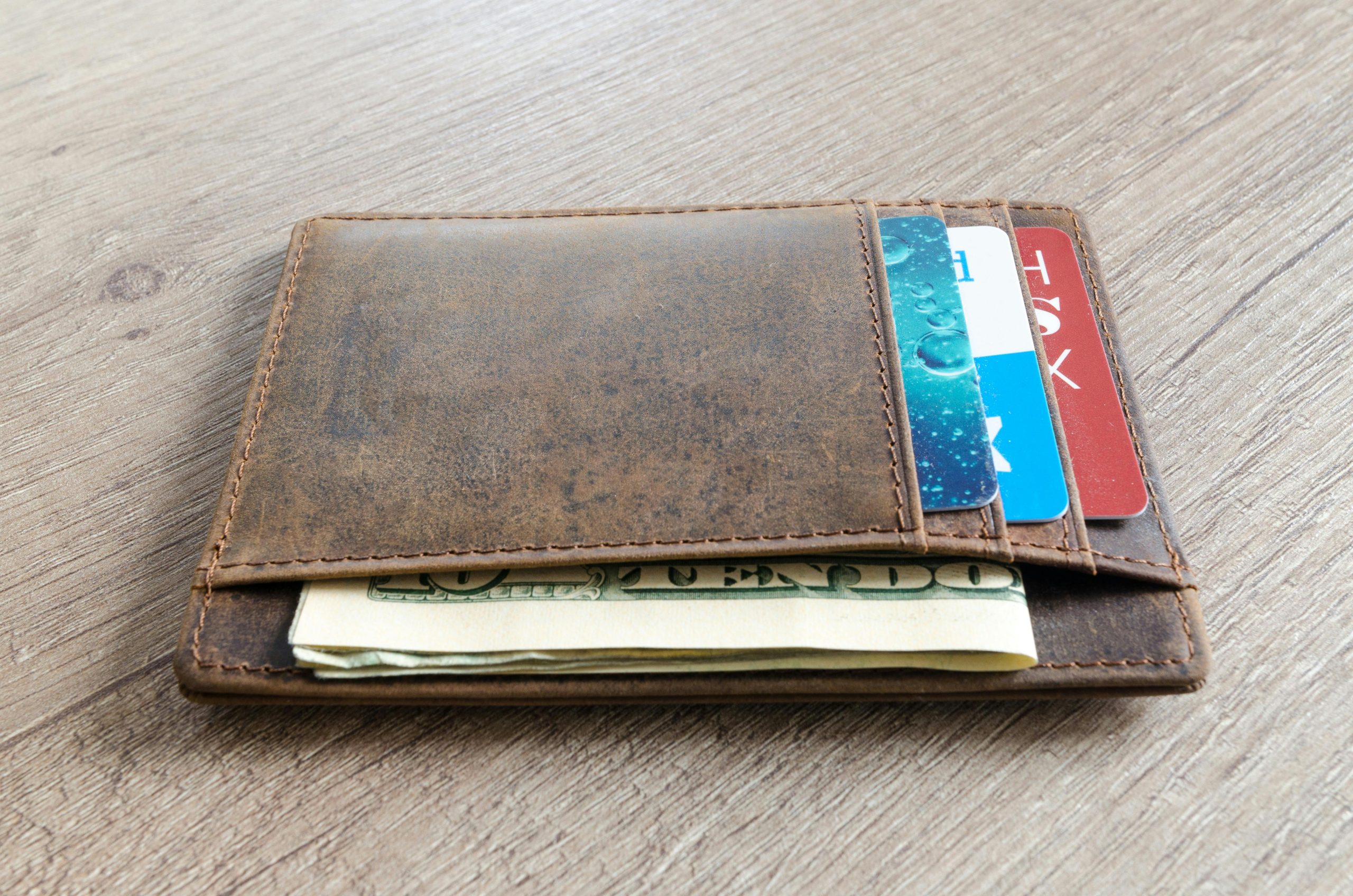
Paying with cash is one of the most effective ways to curb impulse buying. Unlike a credit card, which makes spending feel completely abstract, pulling bills out of your wallet creates a very real sense of loss. You see the money leaving your hands, you physically feel the transaction, and that’s often enough to make you think twice. This tangible nature, combined with the sense of control that cash provides, sharpens your financial awareness. The result: you buy less on autopilot and more by choice, asking yourself whether the item is really worth the bills you’re holding in your hand.
4. Avoid Online Shopping Sites
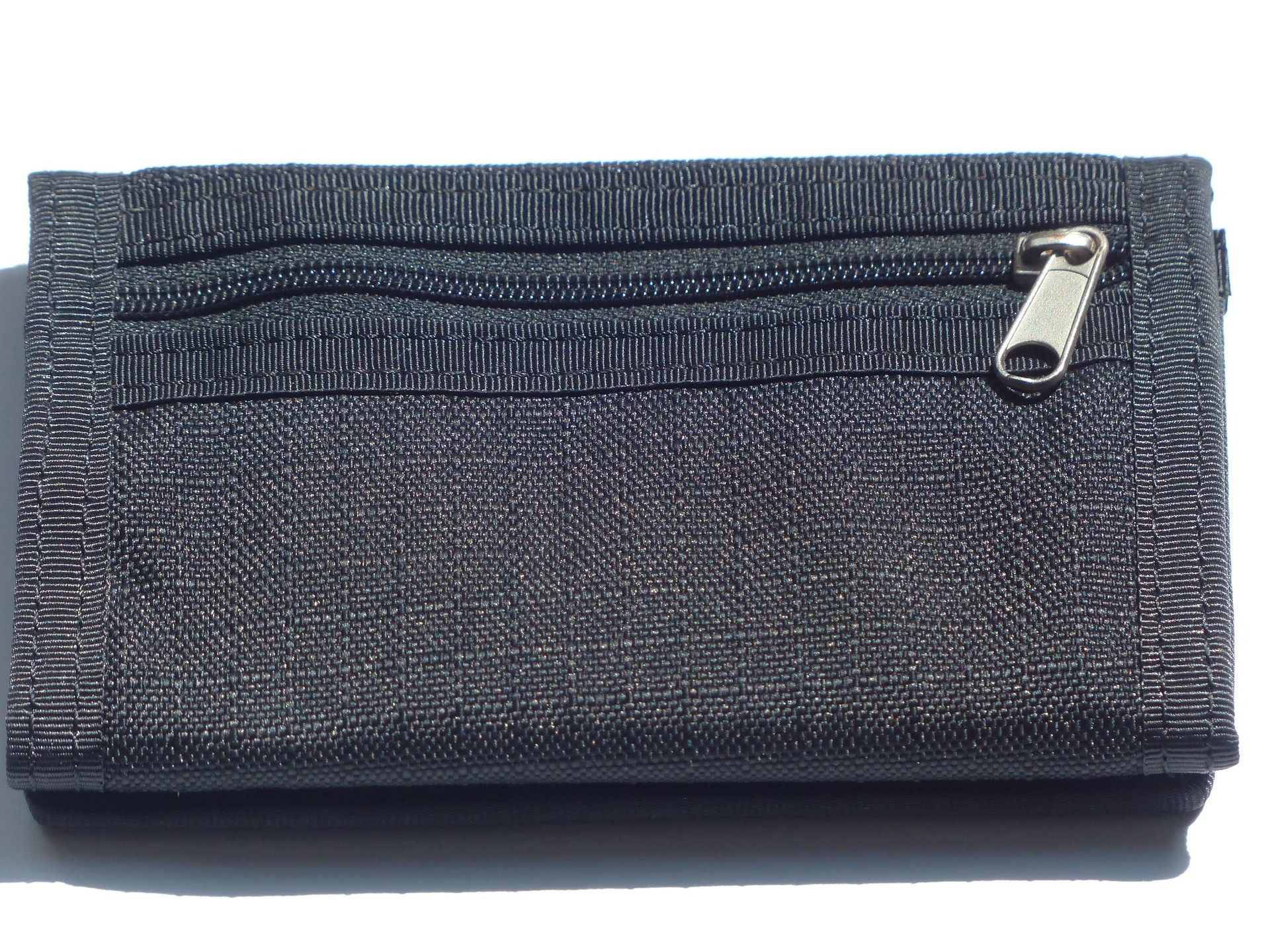
Payday often acts as a trigger for impulse spending. The money has just come in, you suddenly feel “rich,” and that illusion lasts only a few hours… before turning into financial stress by the end of the month. It is precisely during this period that you need to be extra vigilant. Avoiding online shopping sites, promotional newsletters, or “flash sales” is essential: these are incredibly effective traps when your wallet is fresh with cash. By delaying your purchases for a few days, you let the euphoria subside and regain control of your decisions.
5. Consider Free Alternatives
Looking for free activities is a great way to avoid reaching for your wallet at every turn. There’s no shortage of options: a hike with friends, a walk in the park with your kids or your dog, a visit to a free museum, an impromptu picnic… All these options offer a true moment of relaxation without driving up your expenses. In addition to being economical, they improve your well-being, reconnect you with those around you, and break you out of the “I’m bored, so I spend” cycle. A simple and effective way to enjoy life… without paying top dollar.
6. Distinguish Between Needs and Wants

Non-essential expenses always warrant a moment’s thought before you reach for your credit card. That’s where the right questions come in: Do I really need this? Can I afford it without jeopardizing my budget? This brief pause is often enough to curb the impulse and restore a bit of clarity. The goal isn’t to deprive yourself of everything, but to help you make choices that align with your financial priorities. By taking a few seconds to evaluate the purchase, you turn a fleeting desire into a truly informed decision.
7. Conduct Regular Inventory Checks

Taking a regular inventory of your belongings is a great way to get your spending under control. By listing what you already own, you avoid duplicate purchases—those little pitfalls that chip away at your budget without you even realizing it. This process also helps you better assess what’s truly essential and what’s just a passing whim. By having a clear picture of your possessions, you’ll buy less out of habit and more out of necessity. The result: a better-organized home, a lighter mind, and real savings in your daily life.
8. Download an Expense Tracking App

Budgeting apps are invaluable tools for regaining control of your finances. They provide an instant, comprehensive overview of your expenses, organized by category, allowing you to see at a glance where your money is actually going. By analyzing your spending habits, they highlight your biggest expenses and let you know whether your budget is balanced or slowly slipping out of control. You can then adjust your spending habits, set limits, or plan savings goals. It’s a simple, modern, and incredibly effective tool for avoiding impulse purchases and better managing your daily life.
9. Don’t Go Grocery Shopping if You’re Feeling Anxious

Many impulse purchases stem from a particular emotional state: fatigue, boredom, stress, social pressure… These are all moments when buying something becomes a kind of mental “band-aid,” an illusion of comfort that lasts only a few minutes. The problem is that these emotional purchases add up and eventually take a heavy toll on your budget. Identifying your triggers is therefore essential: notice when you tend to buy to fill a void rather than out of actual need. By becoming aware of these mechanisms, you regain control and direct your spending toward what truly matters, not toward what provides temporary relief.
10. Make a List
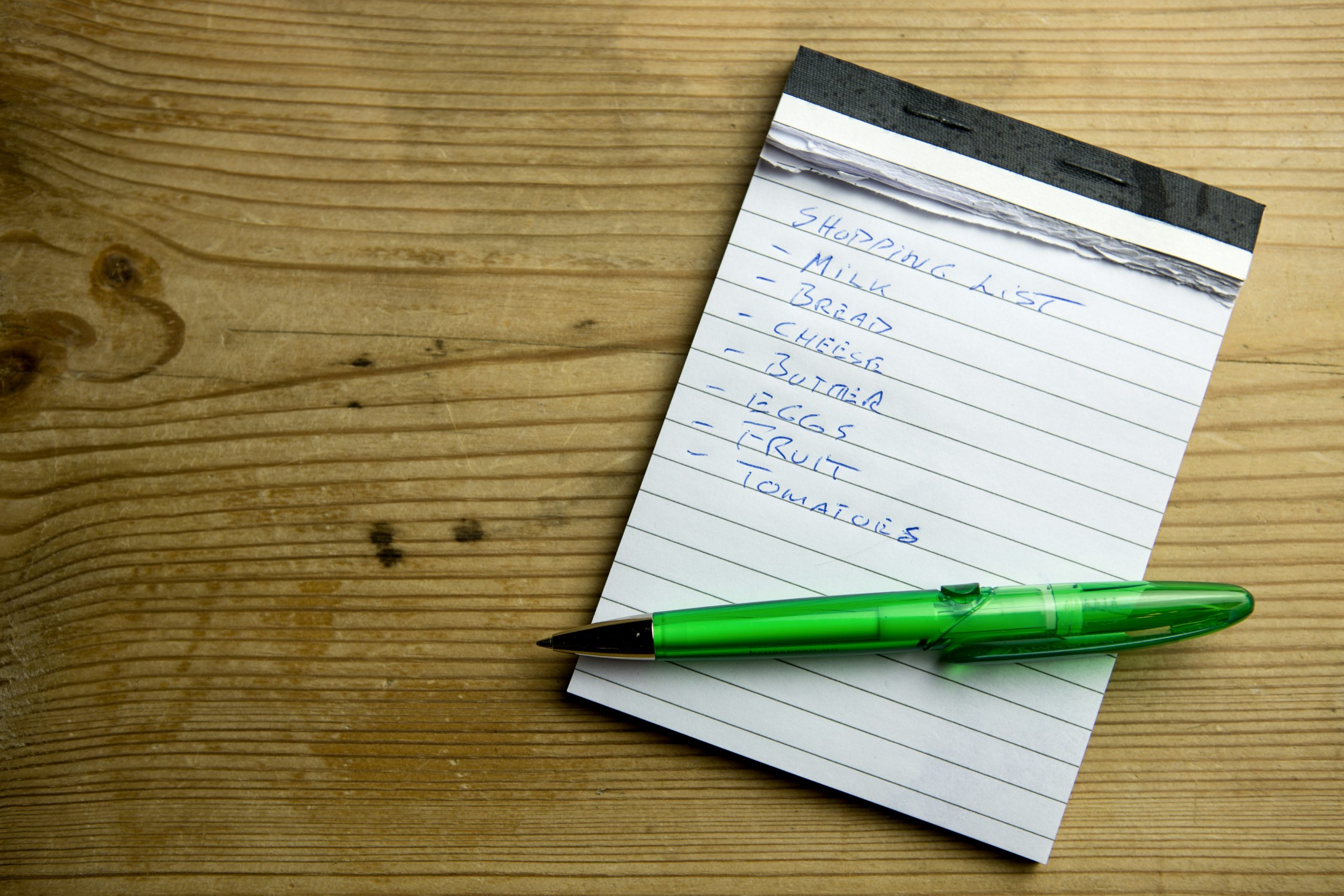
Writing a list by hand is a highly effective way to stay focused on the essentials. The simple act of writing down what you need forces you to think, prioritize, and distinguish between what’s necessary and what’s unnecessary. A precise and comprehensive list curbs impulse buys—those little extras that pile up before you know it. It saves you time at the store, prevents you from forgetting items, and helps you better manage your budget. Plus, by buying only what you really need, you reduce food waste. It’s a simple step, but one with immediate benefits for your wallet and your organization.