European Airlines Remain Optimistic About Jet Fuel Supply Amid Crisis
Despite one of the most severe crises in recent history, European airlines, airports, and tour operators are maintaining a positive outlook on jet fuel supply. Prices have doubled from pre-Iran war levels due to the ongoing conflict affecting oil flows through the Strait of Hormuz. Analysts suggest that the industry is downplaying fears of shortages to reassure travelers ahead of the peak northern hemisphere summer season, which is crucial for bookings and earnings.
The sector’s confidence contrasts with more pessimistic warnings from traders, as the Strait of Hormuz, which handles around a fifth of global oil flows, remains largely inaccessible to shipping due to blockades by Iran and the U.S. The Gulf region supplies approximately a quarter of Europe’s jet fuel.
Sebastian Ebel, CEO of TUI, Europe’s largest tour company, emphasized that there is no indication of fuel shortages in the near future. “We think the discussion on fuel is a little bit artificial as we do see no shortages for the next weeks, and I would also see no impact in the summer at all, except prices,” he said during a recent quarterly results presentation.
Airlines Paying Premium for Jet Fuel
Not everyone shares this optimism. The International Energy Agency recently warned that global oil supply will not meet demand this year due to the conflict disrupting Middle East production. In some European regions, such as the Amsterdam-Rotterdam-Antwerp area, jet fuel stocks are nearing record lows, according to LSEG Workspace data.
However, Lufthansa CEO Carsten Spohr stated that the company has secured sufficient fuel supplies to last at least until early summer. “Supplies and deliveries will be sufficient through mid-July. After that, visibility decreases somewhat,” he said. Spohr added that around a quarter of the group’s normal jet fuel comes from the Gulf, with half of that replaced by fuel from other sources, and the rest drawn from reserves.
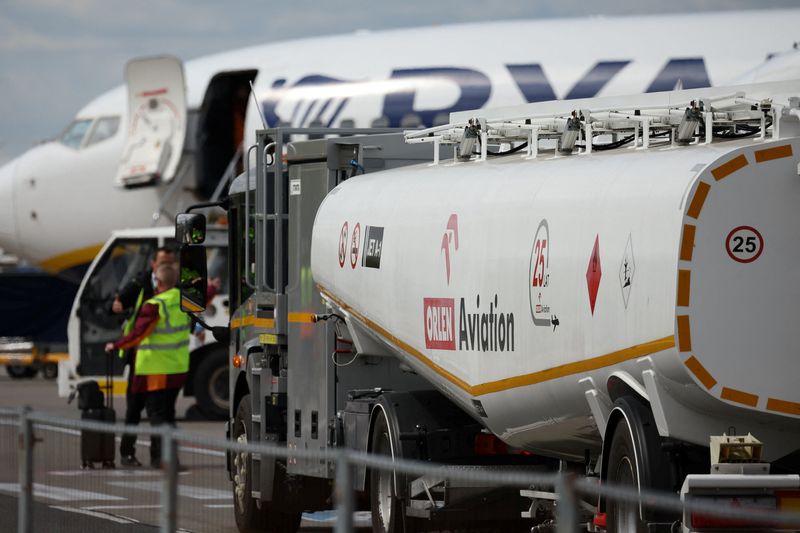
Ryanair CEO Michael O’Leary noted in late April that “the risk of a supply disruption is receding.” Airlines have managed to secure jet fuel from countries like the U.S. and Nigeria by paying a premium, according to analysts.
No Concern for Summer Holidays?
Wizz Air CEO Jozsef Varadi expressed confidence that the industry won’t face a shortage. “I don’t think we’re going to be running out,” he said, citing jet fuel prices near $1,400 a metric ton—roughly double pre-war levels—as a factor in encouraging suppliers to find creative solutions.
Airport operators have also increased their jet fuel reserves, with an over 60% rise in stocks in April, according to aviation fuel tech firm i6 Group. This has helped alleviate concerns after some Italian airports reported shortages in April.
Gary McLean, managing director of Dublin Airport, stated, “In the short term, we’re certainly not seeing any impact in supply.” He added that there are no signs of concern regarding supply for the summer season.
Maintaining this message is essential for airlines to prevent potential ticket cancellations, some analysts say. John Strickland, an independent aviation analyst, explained, “Summer is the key earnings season for airlines and of course they want to reassure customers that it is safe to book.”
European officials also remain optimistic. EU energy commissioner Dan Jorgensen told reporters, “We don’t expect a very serious security of supply issue on a very short term.” However, he cautioned that longer-term issues cannot be ruled out, depending on the situation in the Middle East.