A Bunker Transformed into a Second Home Faces Planning Challenges
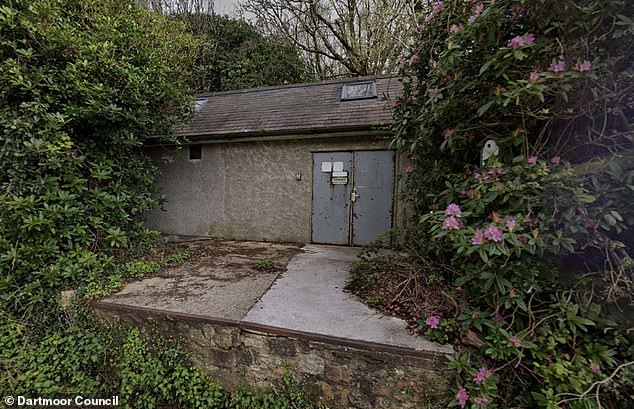
A couple who turned an old chemical treatment plant into a second home in Dartmoor has lost a planning battle after an inspector ruled the structure lacked essential features, such as windows.
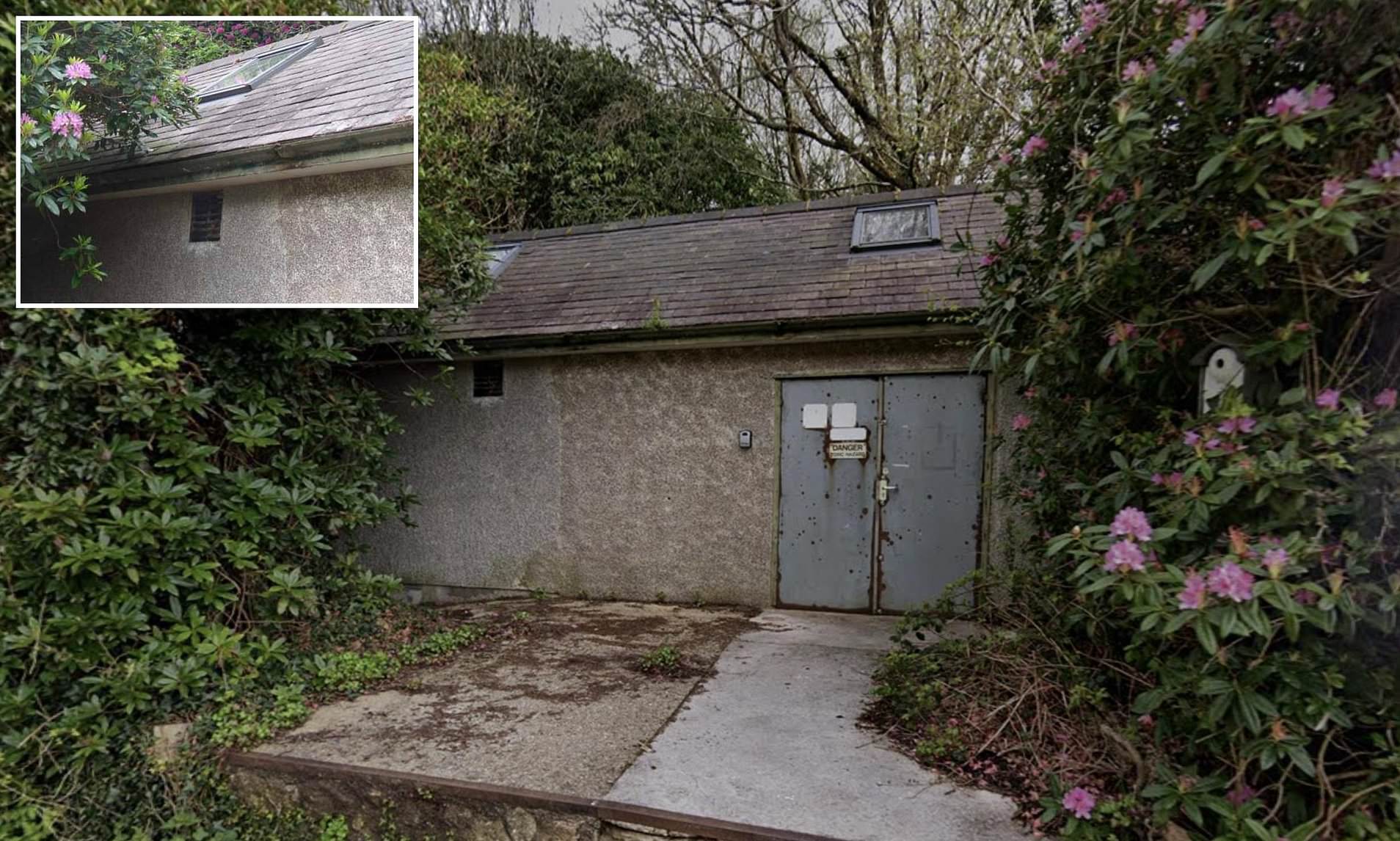
Nigel Barker and his wife Louise transformed a former Soda Ash building, located in picturesque Dartmoor, into a peaceful retreat. The property is 200 miles away from their main home in Crawley, West Sussex. They bought the 1970s block from South West Water in 2015 and have used it as a private residence for eight years, often staying there for weeks at a time.
Mr Barker claimed he was living there when the first Covid-19 lockdown began in 2020 and had to stay inside for around three months. However, when Dartmoor planning officials became aware of the family’s unusual countryside hideaway, they refused to recognize it as a lawful second home, stating that it wasn’t truly a dwelling.
The parish council also objected to the concrete block being used as a second home, calling it an “inappropriate development.” They noted that they couldn’t see any evidence of windows, running water, or sewerage, and no means of waste collection.
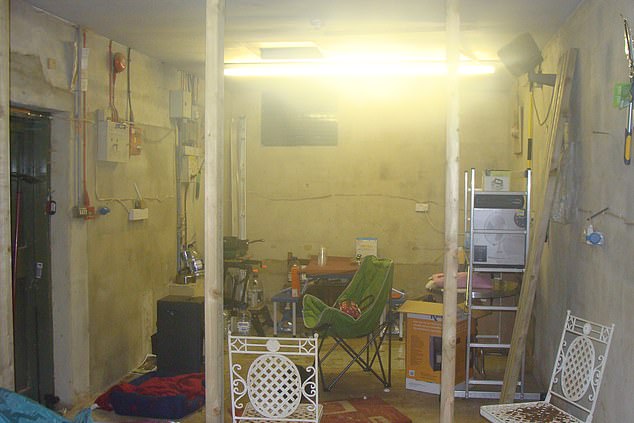
Planning officers found that the building had been divided internally by Mr Barker into two rooms: a main living area and a separate bedroom behind a timber door. The bedroom contained a double bed, pine chests of drawers, shelves, clothing, and personal items. In the main room, officers discovered a small chemical toilet in the corner and an unconnected sink basin sitting on top of a metal bin. There were no taps to the sink, and it was understood that there was no running water or foul drainage.
A gas camping stove was placed on a workbench next to an upright fridge-freezer, with a microwave above it. At the time of the site visit, there was no evidence of a shower or bathing facilities within the building or outside. Mr Barker confirmed that there were no utilities registered to the building, such as water, gas, electricity, or broadband. However, electric cables, plug sockets, and extension leads served electrical items.
He explained that the electricity came from a supply connected to South West Water, and he had tried to contact the company to arrange payment but had not received a response. Water was brought in by bottle and tank, while the building was not registered for council tax or refuse collection.
Dartmoor National Park Authority concluded that the existing building lacked natural daylight, running water, sewerage, drainage, a bathroom, and had only rudimentary kitchen facilities. Therefore, it was not considered a “dwellinghouse.”
Officials added that the building did not have the appearance or nature of a dwellinghouse and offered facilities less than what would reasonably be considered necessary for day-to-day living.
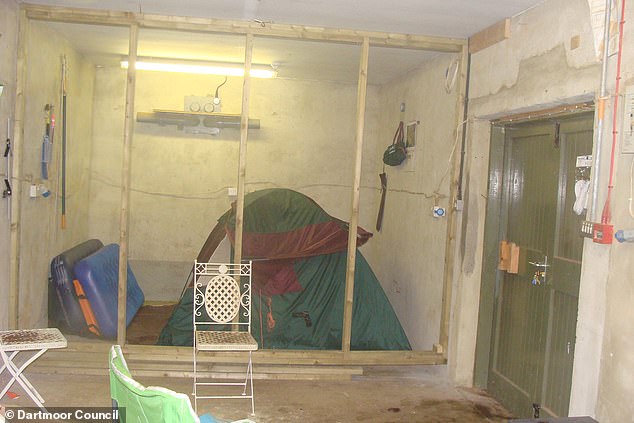
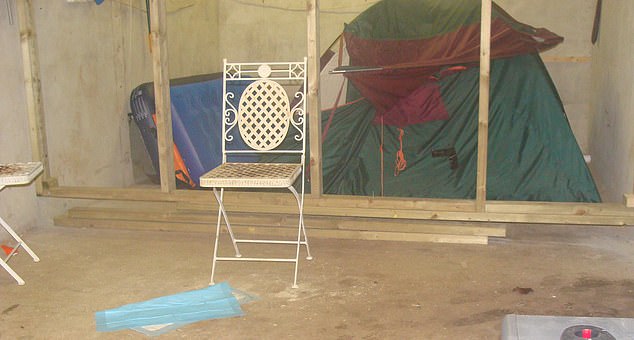
At an appeal, the Planning Inspectorate acknowledged that the building had changed significantly over time. Inspector Richard Curnow noted that the interior had initially been extremely basic, with occupants using air mattresses and even a tent pitched inside the building. By the time of the inspector’s visit in 2022, things had greatly improved.
The smaller room contained a double bed, shelving with DVDs and books, and a television. The larger room included seating, domestic furniture, and paraphernalia, a bottled gas hob and microwave, fridge, and functioning sink. The inspector also found an area containing a shower and a chemical toilet loosely divided from the rest of the space.
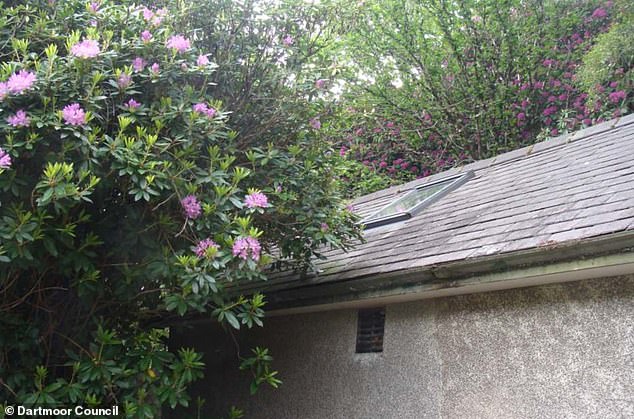
Mr Curnow accepted that the building had many of the practical features of a home, including two skylights installed by Mr Barker. However, the appeal ultimately failed because further basic requirements were still missing, including fresh air which could only enter the property by opening the large steel door.
The inspector added that the lack of windows, or glazing in the door, meant that natural light entering the building was limited to a sun tube running from a rooflight to the ceiling of the main room when the door was shut. He noted that electric lights were required to remain on throughout his site visit.
Upholding the council’s decision to refuse a certificate of lawful use, Mr Curnow concluded that the building did not pass the test to be considered a house, even if Mr Barker chose to live in it as it was. Dismissing the appeal, he added that the lack of windows was fundamental and was not outweighed by the presence of other facilities.
Nigel and Louise Barker told the Daily Mail:
“It isn’t an industrial bunker, or a chemical treatment plant. It was a little empty building no bigger than a holiday caravan tucked away in a valley by a reservoir. We didn’t want to develop it. I love it how it is and just wanted to stay there as a very basic base when I go down to Devon doing my love of photography of Dartmoor and its wildlife and walking.
“It’s a shame it has been refused just because the building didn’t have much natural light. I didn’t want to change anything but the ‘use’. There were no planning applications put in to change anything but the use. Even though the council put up notices to say we wanted to convert to build holiday homes, we made them take them down as it wasn’t quite the truth.
“They did reword it to sound better but it was upsetting and we had to reassure the lovely people living nearby that it was incorrect. I like the quiet and peacefulness in a beautiful county. Why would anyone want to change that?”