Addressing the Decline in Indigenous AFL Players
The Australian Football League (AFL) has acknowledged a concerning decline in the number of Indigenous players at the top level, with 62 First Nations players on club lists in 2026 compared to a record 87 in 2020. This drop has prompted the league to take action through various initiatives aimed at reversing the trend and ensuring greater representation.
The First Nations Impact Fund
As part of its response, the AFL has launched the First Nations Impact Fund, which will see approximately $300,000 invested annually in partnership with clubs. The fund is designed to grow First Nations representation across the industry by creating culturally safe environments and addressing racism wherever it exists.
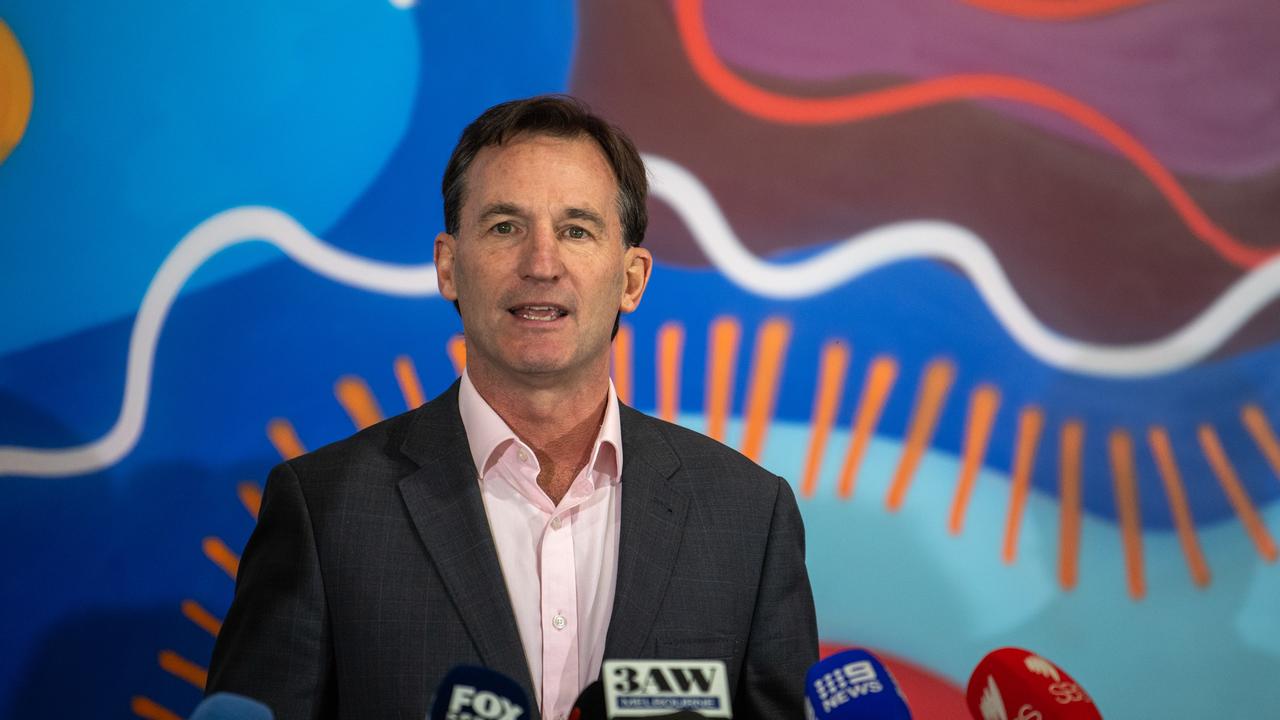
This initiative is just one part of a broader strategy to support Indigenous athletes both on and off the field. The league is also exploring the possibility of giving clubs an extra list spot specifically for First Nations players, which could help increase their presence in the sport.
Focus on Opportunity and Investment
AFL boss Andrew Dillon emphasized that the focus is on providing opportunities for Indigenous players. “The plan for me is about providing opportunity. That’s why we’re looking at investment in the talent programs as really important for us,” he said.
Dillon highlighted the importance of investing in grassroots programs to encourage more boys and girls to play football. He added that ensuring there are opportunities at the talent level is crucial, as well as making sure that Indigenous players stay in the game as long as other players do.
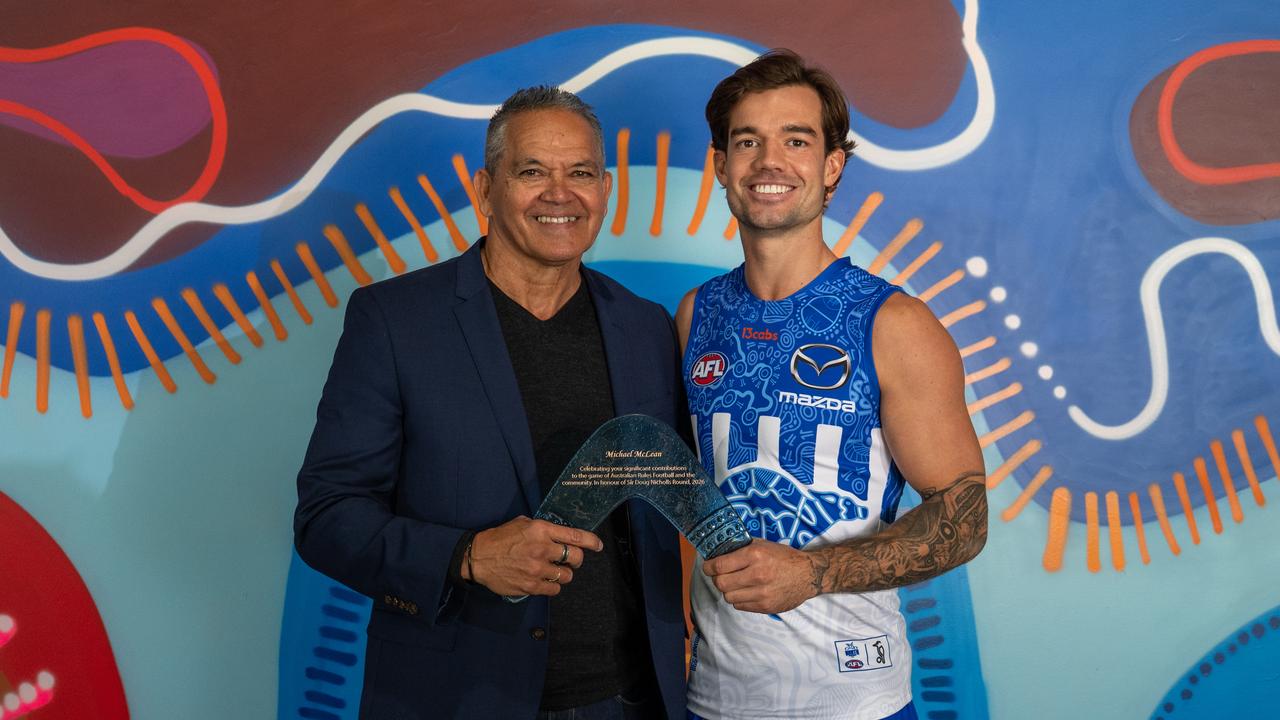
“We’ve got targets in mind and big focus points,” Dillon said, acknowledging that there is still plenty of work to be done.
Involving More Indigenous Voices
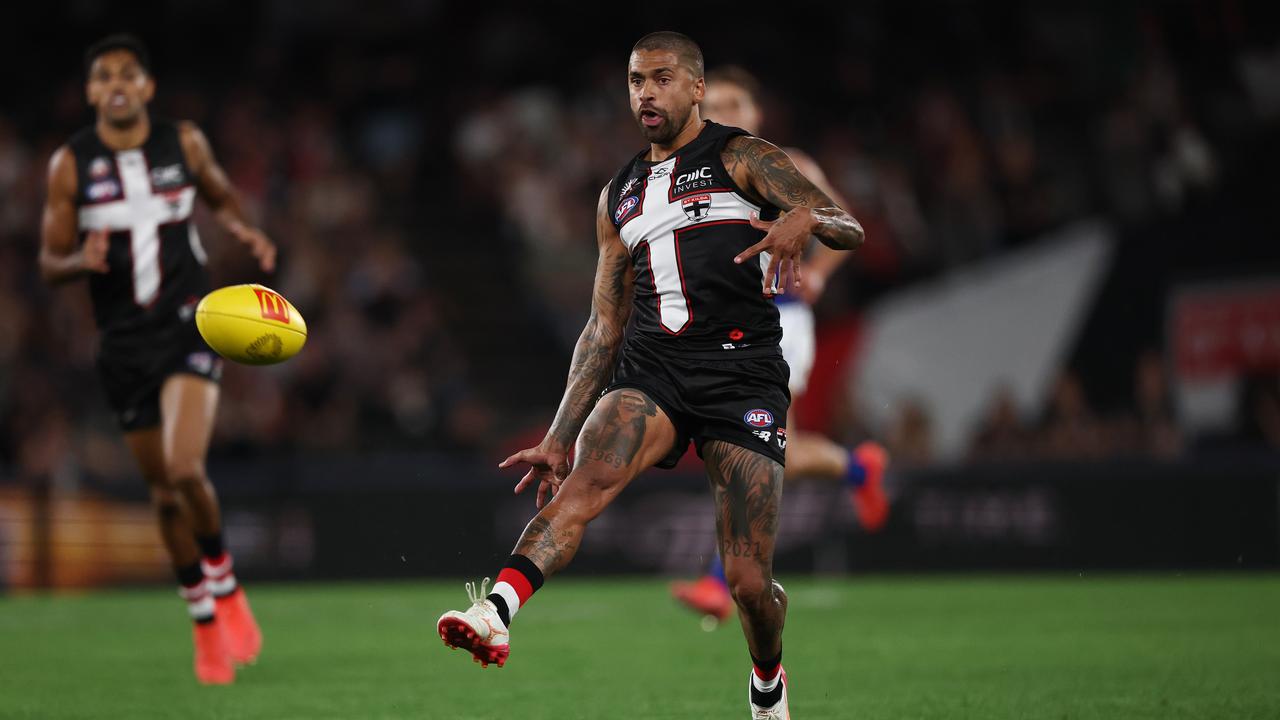
A sub-committee of AFL and club figures recently met for the first time to discuss ways to boost the number of Indigenous players. The move was welcomed by St Kilda star Brad Hill, who called for more Indigenous people to be included in these discussions.
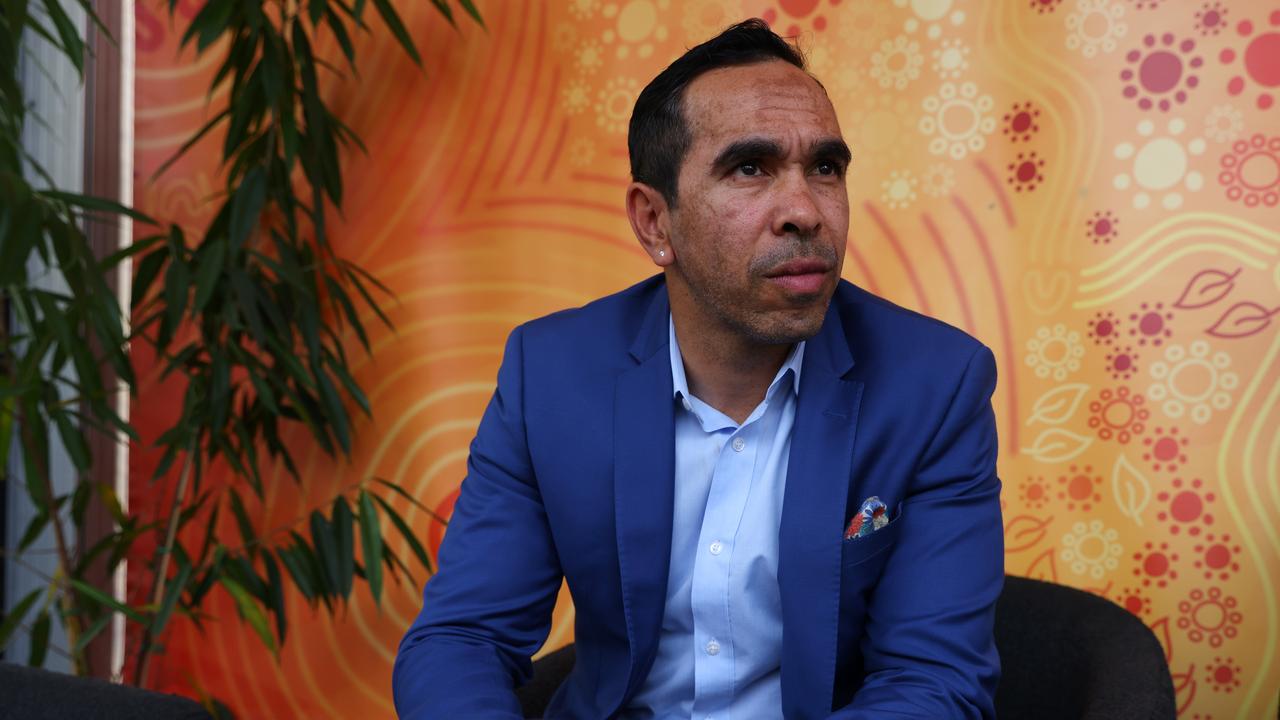
Hill suggested that former Carlton and Adelaide champion Eddie Betts could be a valuable addition to the committee. “It’s something that we want to work on. We want to get more Indigenous players at AFL level,” Hill said.
He pointed out that there is clearly an issue somewhere, whether at the grassroots level or elsewhere, and that some actions need to be taken to improve the numbers. “I think they’ve started off well with getting the committee and people behind the scenes to grow the game for Indigenous players and get more at clubs,” he added.
The Sir Doug Nicholls Indigenous Round
Dillon and Hill were speaking at the launch of the AFL’s Sir Doug Nicholls Indigenous round, which will be played over the next fortnight. This event celebrates the contributions of Indigenous players and promotes inclusivity within the sport.
Dillon noted that nine Indigenous players were drafted by AFL clubs last year, but 11 were delisted. “The players are there. Would we like there to be more? Absolutely, and that’s why we are doing that work,” he said.
He emphasized that it’s not only about identifying talent but also ensuring that Indigenous players remain on the lists as long as any other player.
Future Plans for the Indigenous All-Stars
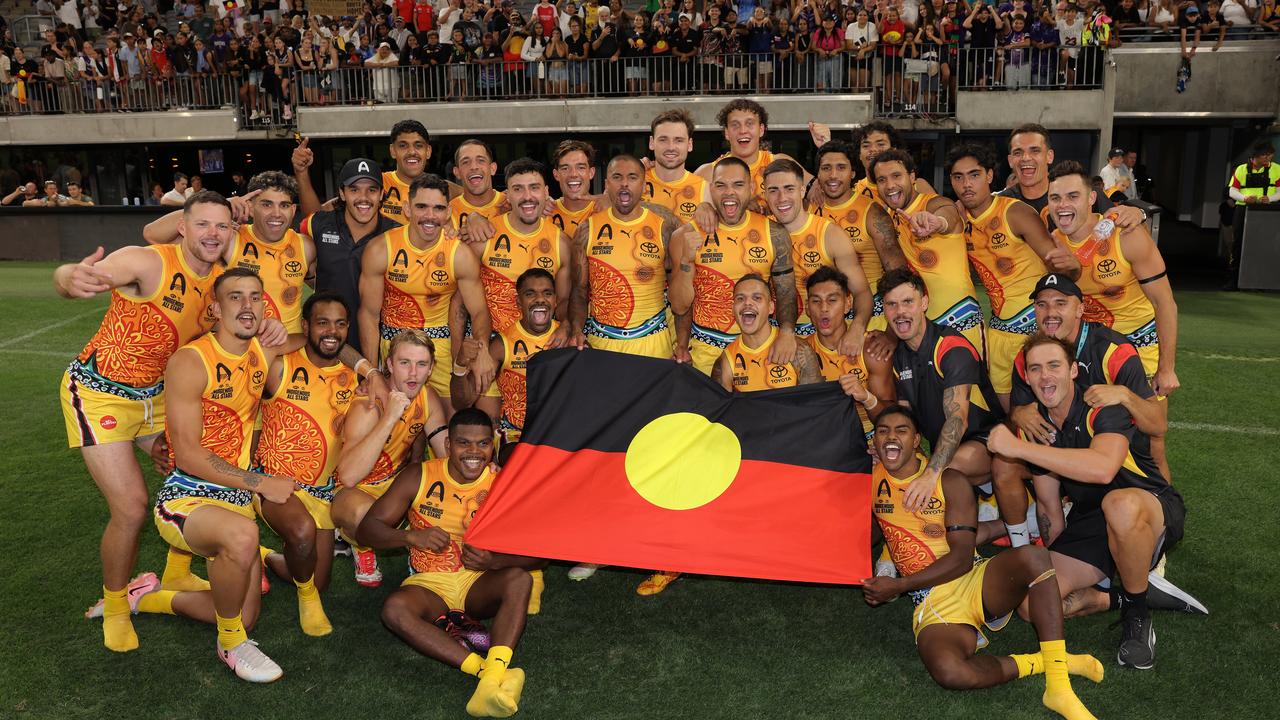
Dillon also announced that the Indigenous All-Stars team will feature on the representative calendar in the future after a successful return in 2025. This move aims to further highlight the talents of Indigenous athletes and provide them with more opportunities to showcase their skills.
However, the league has ruled out scheduling an increased number of games in the Northern Territory, despite St Kilda coach Ross Lyon’s call for nine fixtures each season in Darwin. The Northern Territory will host three games in 2026—two in Darwin and one in Alice Springs.
“I think two or three or four is about the right number for the NT at the moment,” Dillon said, indicating that the current number of games is sufficient for now.