
The Health Benefits of Homemade Smoothies
Smoothies are a popular and convenient way to incorporate nutrient-rich fruits and vegetables into your daily diet. With the ability to blend greens, berries, proteins, and supplements together, they offer a highly customizable option for meeting various diet and fitness goals.
However, not all smoothies are created equal. According to dietitians, store-bought or premade smoothies may not always live up to their health claims. These drinks can often lack essential nutrients and instead be packed with high-sugar juices or additives. Added sweeteners like syrups, honey, and table sugar are common in many pre-made smoothies, which can raise blood sugar levels and increase the risk of conditions such as diabetes and obesity.
Flavored yogurts and juices in many store-bought smoothies also tend to skimp on protein and fiber while adding unhealthy fats and sugars. Additionally, because they are ready-made, these drinks may contain preservatives that help them stay fresh longer than homemade versions.
Portion sizes and calories can also become problematic at smoothie cafes. For example, luxury Los Angeles grocery store Erewhon is known for its 20oz smoothies that can exceed 600 calories and 50g of sugar.
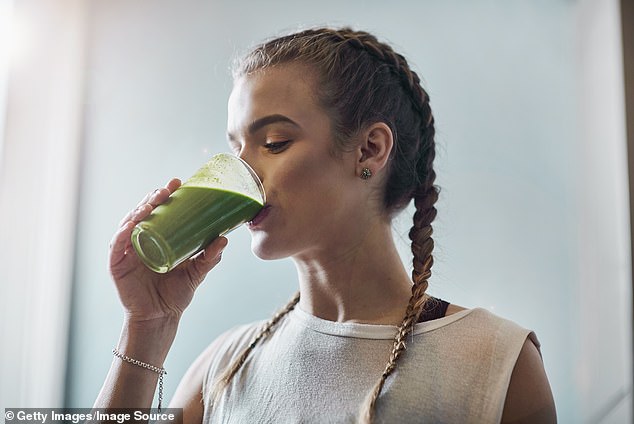
Rob Hobson, a UK-based nutritionist and author of Every Bite Counts, suggests that the “perfect smoothie” is one made at home, giving you much more control over the balance of ingredients. He explains that many store-bought smoothies contain multiple portions of blended fruit and fruit juice, which can make them surprisingly high in sugar while still being relatively low in protein and fiber.
“When you make one at home, you can build in more balance by adding ingredients like yogurt, oats or seeds,” Hobson said. To make the healthiest smoothie, he recommends focusing on nutrients like protein, fiber, unsaturated fats, and omega-3 fatty acids.
Greek yogurt and soy or dairy milk are high in protein, while oats, flaxseed, or chia seeds help pack in fiber. Heart-healthy omega-3 fatty acids can also be found in chia seeds and flaxseeds, as well as spinach.
“That combination helps with fullness and slows down the release of sugars from the fruit, which means you’re less likely to snack and may aid weight management,” Hobson said.
As a base, he suggests starting with plain Greek yogurt or kefir, a fermented milk drink made using live cultures and yeast, which are both high in protein and healthy bacteria called probiotics. Probiotics have been shown to help the digestive system better absorb nutrients and defend against harmful bacteria, reducing gastrointestinal symptoms like diarrhea, constipation, and gas.

Hobson also prioritizes chia seeds, ground flaxseed, and oats, which are rich in fiber—a crucial nutrient that supports healthy digestion and adds bulk to stool, preventing it from sitting in the colon and fostering the growth of colon cancer cells.
“I also like adding greens such as spinach because they increase nutrient density without dramatically changing the flavor,” he said. “It’s not about adding lots of trendy ‘superfoods’ but more about building something balanced that actually keeps you satisfied.”
Rob Hobson’s Favorite Smoothie
- Fortified soy milk or dairy milk
- Greek yogurt or kefir
- Frozen berries
- Spinach
- Oats or ground flaxseed
- Half a banana (optional)
When it comes to picking a fruit, Hobson says berries are the first choice because they are so easy to use, either fresh or frozen. Berries are naturally high in fiber and polyphenols without being overly sugary. Raspberries and blackberries are particularly good for fiber because of the little seeds, and blueberries are rich in plant compounds linked to brain and heart health.
He also notes that kiwi is another “underrated” fruit that provides about 83 percent of the recommended daily value of vitamin C per serving—an essential nutrient for boosting the immune system and warding off against viruses like the flu and common cold.
While experts recommend freshly made smoothies, they say it’s actually okay to skip the fresh fruit. Kristin Kuminski, a registered dietitian nutritionist at The Rx Index, prefers frozen fruit “over fresh almost every time.” She explains, “It’s picked at peak ripeness, cheaper, and you don’t need to add ice, which just waters everything down.”
Hobson suggests keeping ingredients as simple and natural as possible. He advises avoiding ingredients like syrups, sweetened yogurts, ice cream, and large amounts of dried fruit because they can quickly turn a smoothie into something that’s closer nutritionally to a dessert.
“Another thing I see a lot now is people adding endless powders and supplements without really knowing why they’re using them,” he said. “Sometimes a simpler smoothie made with whole food ingredients is actually the better option.”
Hobson’s perfect smoothie involves a base of either fortified soy milk or dairy milk, followed by Greek yogurt or kefir, frozen berries, spinach, and oats or ground flaxseed. “I might add half a banana for texture,” he said. “That combination gives you protein, fiber, and healthy fats while still tasting good and feeling realistic enough that people would actually make it regularly.”